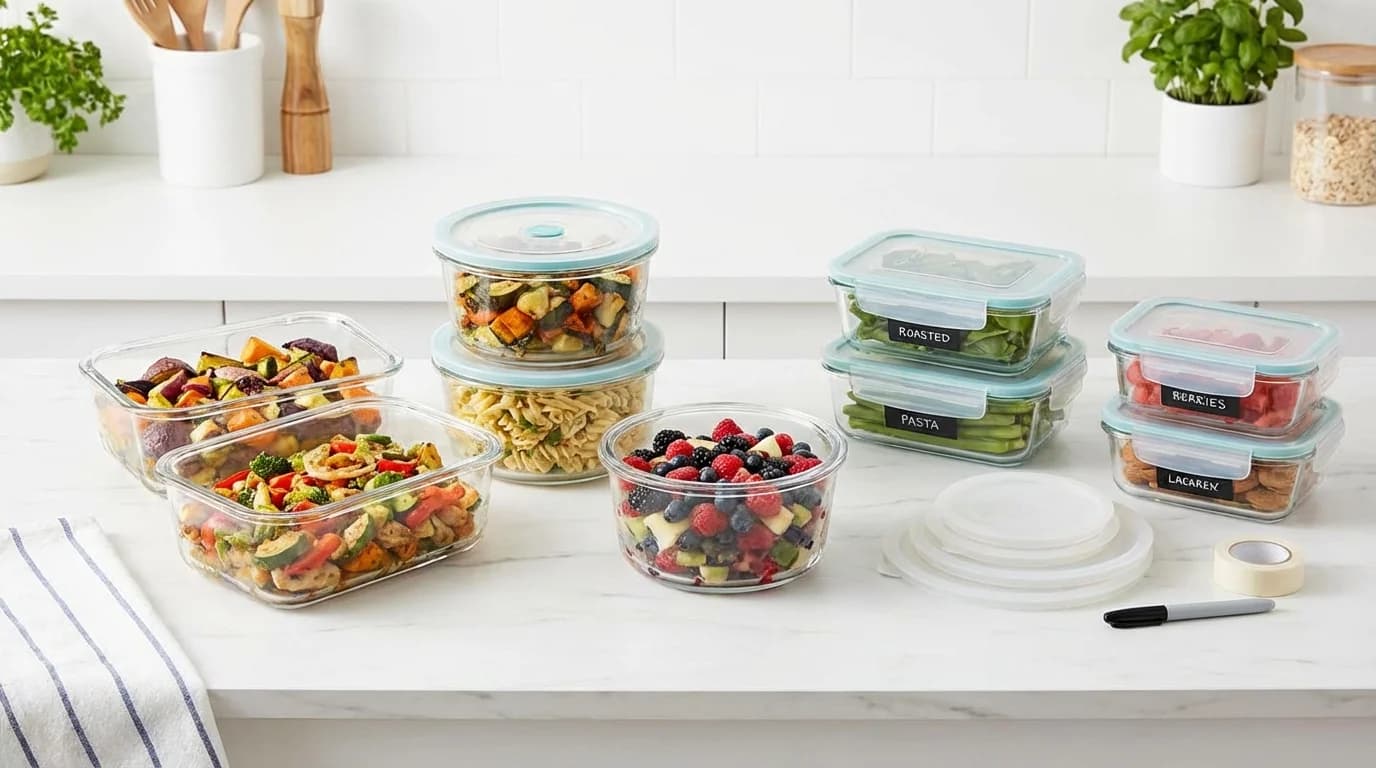
Leftover Storage Tips: Keep Food Fresh and Safe Longer
That delicious dinner you made last night can be tomorrow's easy lunch—if you store it properly. But too often, leftovers become mystery containers in the back of the fridge, eventually tossed out because you can't remember when you made them or if they're still safe to eat.
The average American household wastes $1,800 annually on food, with leftovers accounting for a significant portion. Proper leftover storage prevents waste, saves money, and provides convenient meals throughout the week.
This comprehensive guide covers food safety guidelines, storage containers, labeling systems, and creative leftover strategies that transform yesterday's dinner into tomorrow's delight.
Food Safety Fundamentals
The Danger Zone: 40°F - 140°F
Bacteria multiply rapidly between 40°F and 140°F.
The 2-Hour Rule:
Food left at room temperature longer than 2 hours should be discarded. In temperatures above 90°F: 1 hour maximum
This means:
- Put leftovers away within 2 hours of cooking
- Don't let food sit out during/after meal
- Cool large portions in shallow containers (faster cooling)
The 3-4 Day Rule:
Most cooked leftovers safe for 3-4 days refrigerated
Exceptions:
- Seafood: 1-2 days max
- Stuffing and gravy: 1-2 days
- Cooked eggs: 3-4 days
- Pizza: 3-4 days
- Soups and stews: 3-4 days
- Cooked meat: 3-4 days
- Cooked vegetables: 3-4 days
Freezer Storage Times:
Most cooked foods: 2-3 months for best quality
Specific guidelines:
- Soups and stews: 2-3 months
- Cooked meat: 2-3 months
- Casseroles: 2-3 months
- Pizza: 1-2 months
- Cooked vegetables: 2-3 months
Note: Food remains safe indefinitely frozen (0°F or below), but quality degrades over time.
Reheating Guidelines:
Reheat to 165°F minimum:
- Use food thermometer to verify
- Reheat sauces, soups, gravies to rolling boil
- Stir during reheating for even temperature
Reheat only once: Each reheating cycle increases bacteria risk
Storage Containers: Choosing the Right Option
Glass Containers
Best for:
- Reheating in microwave or oven
- Acidic foods (tomato sauce, citrus)
- Long-term storage
- Meal prep
Pros:
- Microwave, oven, dishwasher safe
- Won't stain or absorb odors
- See contents clearly
- Last forever
Cons:
- Heavy
- Can break
- More expensive
Top picks:
- Pyrex (classic, affordable)
- Rubbermaid Brilliance (leak-proof lids)
- Glasslock (excellent seals)
Full guide: Food storage containers
Plastic Containers
Best for:
- Lightweight portability
- Kids' lunches
- Freezer storage
Pros:
- Inexpensive
- Lightweight
- Won't break
Cons:
- Can stain (tomato sauce)
- Absorb odors
- Degrade over time
- Not all microwave-safe
Look for:
- BPA-free
- Microwave-safe (if reheating)
- Dishwasher-safe
Top picks:
- Rubbermaid TakeAlongs
- Sistema
- Glad
Freezer Bags
Best for:
- Freezer storage
- Space-saving (flat storage)
- Soups, sauces, liquids
Pros:
- Very space-efficient
- Inexpensive
- Freeze flat, stack like tiles
Cons:
- Single-use (mostly)
- Not ideal for reheating
- Can leak
Pro tip: Freeze liquids flat in bags for easy stacking and faster thawing
Reusable Silicone Bags
Best for:
- Eco-conscious storage
- Freezer and microwave
- Reducing plastic waste
Pros:
- Reusable (eco-friendly)
- Microwave and dishwasher safe
- No chemical leaching
Cons:
- Expensive upfront
- Can retain odors
Top picks:
- Stasher bags
- Zip Top
Proper Storage Techniques
Cooling Before Storage
Never put hot food directly in fridge:
- Raises fridge temperature
- Risks other food spoilage
- Can crack glass containers
Proper method:
- Let food cool at room temperature: 30-60 minutes
- Divide large portions into smaller containers (cools faster)
- Use shallow containers (2-3 inches deep)
- Once at room temp (within 2 hours), refrigerate
Quick cool method: Ice bath (container in bowl of ice water)
Portion Control
Divide into meal-sized portions:
- Easier to reheat exact amount
- Faster cooling and reheating
- Use before spoilage
- Grab-and-go convenience
Example: Instead of one large container of soup, portion into 4 individual servings
Preventing Freezer Burn
Causes of freezer burn:
- Air exposure
- Temperature fluctuations
- Long storage times
Prevention:
- Remove as much air as possible from bags
- Use airtight containers
- Wrap tightly in plastic wrap, then foil
- Don't overpack freezer (prevents air circulation)
- Maintain consistent freezer temp (0°F or below)
Stacking and Organization
Fridge organization:
- Front: Oldest leftovers (eat first)
- Back: Newest leftovers
- Dedicated leftover zone or bin
- Eye-level for visibility
Freezer organization:
- Flat bags stack like files
- Label clearly on bags
- Group by type (soups, meats, sides)
- Keep inventory list
Full guides:
Labeling Systems
What to Include on Labels:
Minimum:
- Contents ("Spaghetti Bolognese")
- Date made or frozen
Recommended:
- Contents
- Date made
- Use-by date (calculate based on guidelines)
- Reheating instructions (optional)
Example label:
Chicken Stir-Fry
Made: 3/15/25
Use by: 3/19/25
Reheat: Microwave 2-3 min
Labeling Materials:
Masking tape + permanent marker:
- Cheap
- Readily available
- Write directly on tape
- Works on all containers
Label maker:
- Professional look
- Very clear
- Reusable labels
- Initial investment
Erasable labels:
- Reusable
- Chalkboard labels with chalk marker
- Wipe clean for reuse
Dry erase marker (on glass containers):
- Write directly on lid
- Wipe off when empty
Best practice: Label immediately when storing, not later
Color-Coding System:
Organize by day or type:
By storage day:
- Monday: Red dot
- Tuesday: Blue dot
- Wednesday: Green dot
- Eat oldest color first
By meal type:
- Breakfast: Yellow
- Lunch: Green
- Dinner: Blue
- Snacks: Red
Specific Food Storage Tips
Soups and Stews
Refrigerator:
- Cool before storing
- Store in airtight container
- 3-4 days safe storage
- Leave headspace (expands when heated)
Freezer:
- Portion into servings
- Freeze in bags flat (space-saving)
- Or use freezer-safe containers
- Leave 1-inch headspace (liquid expands)
- 2-3 months optimal quality
Reheating:
- Stovetop: Best method, stir frequently
- Microwave: Stir halfway through
- Reheat to 165°F (or rolling boil)
Pasta and Rice
Storage challenge: Can dry out or become mushy
Best method:
- Store in airtight container
- Add tiny bit of water or sauce before reheating
- 3-4 days refrigerated
Freezing:
- Rice: Freezes well, portion into bags
- Pasta: Slightly undercook if planning to freeze
- 1-2 months frozen
Reheating:
- Microwave with splash of water, cover
- Stovetop with added liquid
- Add fresh sauce to refresh
Cooked Meat
Refrigerator:
- Store in airtight container or wrapped tightly
- Slice or leave whole (whole dries less)
- 3-4 days safe storage
- Store on bottom shelf (prevent drip contamination)
Freezer:
- Wrap tightly (plastic wrap + foil, or freezer bag)
- Remove air
- Slice before freezing (easier portioning)
- 2-3 months optimal
Reheating:
- Low and slow prevents drying
- Add liquid or sauce
- Cover during reheating
- Use meat thermometer: 165°F
Pizza
Refrigerator:
- Stack slices with parchment between
- Or store in airtight container
- 3-4 days safe
Freezer:
- Wrap individual slices
- 1-2 months
Reheating (avoiding soggy crust):
- Oven/toaster oven: 350°F, 10 minutes (best method)
- Skillet: Medium heat, covered, 5-8 minutes (crispy bottom)
- Microwave: Use microwave-safe plate, 30-60 seconds (fastest but softer crust)
Casseroles
Storage:
- Cool completely
- Cover tightly (foil or lid)
- 3-4 days refrigerated
- 2-3 months frozen
Freezing tip: Assemble but don't bake, freeze, then bake fresh later
Reheating:
- Oven: 350°F, covered, 20-30 minutes (or until 165°F)
- Microwave: Individual portions, cover
Vegetables
Cooked vegetables:
- Store in airtight container
- 3-4 days refrigerated
- Some vegetables freeze well (broccoli, carrots), others don't (lettuce, cucumber)
Best freezing vegetables: Roasted or steamed (not raw)
Reheating: Quick reheat (don't overcook again)
Sauces and Gravies
Refrigerator:
- Store in jar or airtight container
- 1-2 days safe (shorter than other leftovers)
Freezer:
- Freeze in ice cube trays, then transfer to bag
- Or freeze in portions
- 2-3 months
Reheating:
- Stovetop, stirring constantly
- May need to whisk or blend if separated
- Bring to rolling boil
Creative Leftover Strategies
Transform, Don't Just Reheat
Leftover roasted chicken:
- Day 1: Serve as is
- Day 2: Chicken tacos
- Day 3: Chicken salad
- Day 4: Chicken soup
Leftover rice:
- Fried rice
- Rice pudding
- Stuffed peppers
- Add to soup
Leftover vegetables:
- Veggie frittata
- Blend into soup
- Add to pasta
- Grain bowls
Leftover pasta:
- Pasta bake/casserole
- Pasta salad
- Add to soup
The "Leftover Buffet" Night
Once a week, clear out leftovers:
- Set out all containers
- Everyone makes their own plate
- Reduces waste
- Variety for everyone
Also called: "Smorgasbord Night," "Fend for Yourself Friday"
Meal Prep Integration
Intentional leftovers:
- Cook double portions for dinner
- Pack lunches for next 2-3 days
- Part of meal prep strategy
Example: Monday dinner = 4 lunches for week
Leftover Makeover Ideas
Leftover makeover examples:
Roast beef → French dip sandwiches, beef and broccoli, beef fried rice
Meatloaf → Meatloaf sandwich, crumble into spaghetti sauce
Baked potatoes → Loaded potato soup, hash browns, potato salad
Grilled vegetables → Veggie omelet, pasta primavera, grain bowls
Rotisserie chicken → Tacos, quesadillas, chicken salad, soup
Leftover Safety: When to Toss
Signs Food Has Gone Bad:
Smell test: Off, sour, or unusual odor = toss Visual: Mold, discoloration = toss Texture: Slimy, excessively dry = toss Taste: If it tastes off, don't eat more = toss
"When in Doubt, Throw It Out"
Don't risk it:
- Can't remember when you made it? Toss.
- Looks or smells questionable? Toss.
- Been more than 4 days? Toss.
- Left out overnight? Toss.
Food poisoning isn't worth saving $5 of leftovers.
Items That Don't Reheat Well:
Generally avoid freezing:
- Fried foods (soggy when reheated)
- Mayonnaise-based salads
- Raw vegetables (lettuce, cucumbers become mushy)
- Cream-based sauces (can separate)
- Soft cheeses (texture changes)
Leftover Organization System
Dedicated Leftover Zone
In fridge:
- Clear bin or specific shelf
- All leftovers in one area
- Easy to see what needs eating
- Check before meal planning
FIFO System (First In, First Out)
New leftovers go to back Older leftovers move to front Eat front items first
Weekly Leftover Review
Every Sunday:
- Check all leftover containers
- Use or freeze items nearing 4-day mark
- Toss anything questionable
- Clean containers for new week
- Plan meals around existing leftovers
Leftover Inventory
Keep list on fridge:
Leftovers This Week:
☐ Spaghetti (Mon, eat by Thurs)
☐ Roast chicken (Tues, eat by Fri)
☐ Veggie stir-fry (Wed, eat by Sat)
Check list when deciding meals
Reducing Leftover Waste
Strategy 1: Cook Appropriate Portions
Don't cook more than you'll eat (unless intentional meal prep)
Portion guidelines:
- 1 person: Scale recipes to 2 servings (dinner + lunch)
- 2 people: 3-4 servings
- Family of 4: Cook for 4-6 (some leftovers but manageable)
Strategy 2: Freeze Before Bored
Don't wait until you're tired of eating it:
- Freeze portion on Day 2
- Future you will appreciate variety
- Prevents waste from "I can't eat this again"
Strategy 3: Planned Leftover Meals
Build into meal plan:
- Monday: Roast chicken dinner
- Tuesday: Chicken tacos (using leftover chicken)
- Wednesday: Chicken soup (using leftover chicken)
Intentional leftovers = not wasted
Strategy 4: Compost If Appropriate
If food goes bad:
- Compost when possible
- Better than landfill
- Nutrients return to soil
Common Leftover Storage Mistakes
Mistake 1: Leaving food out too long Fix: Set timer, put away within 2 hours
Mistake 2: Not labeling Fix: Label everything immediately
Mistake 3: Storing in too-large containers Fix: Portion into meal-sized containers
Mistake 4: Forgetting what you have Fix: Dedicated leftover zone, inventory list
Mistake 5: Using wrong containers Fix: Match container to food type and storage length
Mistake 6: Not cooling before refrigerating Fix: Cool to room temp first (within 2-hour window)
Your Leftover System Action Plan
This Week:
- Invest in quality storage containers
- Create labeling system
- Designate leftover zone in fridge
Going Forward:
- Label immediately when storing
- Weekly leftover review every Sunday
- Plan "leftover buffet" night weekly
- Use FIFO method
Conclusion
Proper leftover storage is a simple habit with significant impact. It prevents waste, saves money, provides convenient meals, and ensures food safety. The key is creating a consistent system: appropriate containers, clear labeling, organized storage, and regular review.
Implement these strategies this week. Label everything. Create a dedicated leftover zone. Review weekly. And watch your food waste (and food budget) shrink dramatically.
Leftovers aren't just reheated dinners—they're meal prep in disguise, budget-friendly lunches, and time-savers on busy nights. Treat them with care, and they'll serve you well.
Ready to maximize your kitchen efficiency? Check out our guides on meal prep for beginners, fridge organization, and food storage containers to create a complete food storage system.
About myrecipe
myrecipe helps families save, organize, and share their favorite recipes in one place. Plan meals, create shopping lists, and preserve your culinary traditions.
Start Organizing Recipes