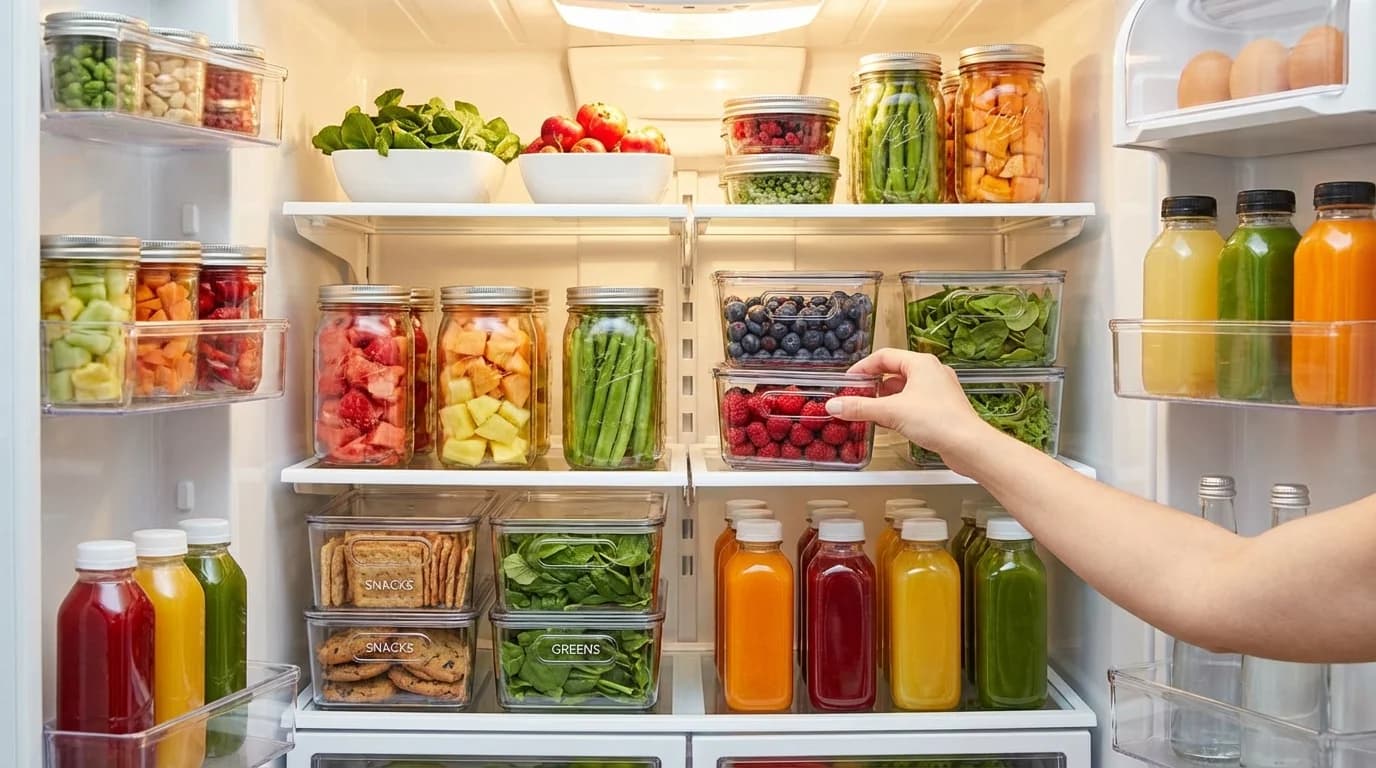
15 Fridge Organization Hacks That Will Change Your Life
Opening your refrigerator shouldn't feel like an archaeological expedition. Yet many of us face the daily frustration of expired food hiding in the back, mystery containers we're afraid to open, and the constant question: "Do we have any...?"
A well-organized fridge saves money, reduces food waste, and makes meal preparation effortless. The best part? You don't need expensive organizers or a Pinterest-perfect aesthetic. These 15 practical fridge organization hacks work for real life, real budgets, and real families.
Why Fridge Organization Matters
Before diving into the hacks, understand the impact:
Food Waste Reduction:
- Average family wastes $1,800 in food annually
- 40% of waste is refrigerated items
- Proper organization reduces waste by up to 50%
Money Savings:
- Avoid duplicate purchases
- See what needs to be used before it spoils
- Reduce grocery spending by $100-200 monthly
Food Safety:
- Proper storage prevents cross-contamination
- Maintain correct temperatures
- Keep food fresh longer
Time Savings:
- Find ingredients quickly
- Easier meal planning
- Faster meal prep
- Less cleaning of spoiled food
The Fridge Organization Framework
Start with these foundational principles:
The Top-to-Bottom Rule:
Store by temperature and safety needs:
Top Shelf: Leftovers, drinks, ready-to-eat items Middle Shelves: Dairy, eggs Lower Shelves: Raw meat, fish (coldest part) Door: Condiments, stable items only Drawers: Produce (high humidity), deli meat (low humidity)
This aligns with food safety guidelines and temperature zones.
The FIFO Method:
First In, First Out
New items go to the back, older items move forward. This restaurant technique prevents waste.
The Clear Container Rule:
See what you have at a glance. Opaque containers hide food waste.
The 15 Game-Changing Hacks
Hack 1: The "Eat Me First" Box
The problem: Food gets buried and forgotten
The solution: Dedicate one clear bin or shelf section for items expiring soon.
How to implement:
- Get clear plastic bin (or designate front section of shelf)
- Label "Eat Me First" or "Use This Week"
- Place items nearing expiration here
- Check this box first when meal planning
- Update weekly during fridge cleanout
Pro tip: Make this the most visible, accessible location in your fridge.
Cost: $3-8 for bin, or free using existing shelf space
Hack 2: Lazy Susan Revolution
The problem: Items in back of fridge become invisible
The solution: Lazy Susans make everything accessible with a simple spin.
Best uses:
- Condiments and sauces
- Salad dressings
- Small jars
- Drink bottles
How to implement:
- Get 1-2 lazy Susans sized for your shelves
- Group like items together (all condiments, all drinks)
- Spin to access items in back
- No more buried treasures
Pro tip: Get clear lazy Susans to see through to back of fridge.
Cost: $3-10 each at dollar stores or Target
Hack 3: Clear Bin Zones
The problem: Categories mix together, creating chaos
The solution: Use clear bins to create dedicated zones.
Recommended zones:
- Breakfast bin: Yogurt, butter, cream cheese
- Snack bin: String cheese, hummus, dips
- Lunch meat bin: Deli meat, cheese slices, sandwich fixings
- Kids' snacks bin: At their eye level, healthy options
- Drinks bin: Juice boxes, canned drinks
- Leftover bin: All leftovers in one place
How to implement:
- Measure shelf depth and width
- Get 4-6 clear bins in appropriate sizes
- Label each bin
- Group items by category
- Pull out entire bin to access items
Pro tip: Choose bins slightly smaller than shelf depth so they pull out easily.
Cost: $15-25 for set of bins
Hack 4: The Egg Carton Date System
The problem: Eggs are dated, but other cartons aren't
The solution: Write purchase/expiration dates on all packaging.
How to implement:
- Keep permanent marker in kitchen
- Date all items when bringing groceries home
- Date leftovers when storing
- Date opened containers
- Use this info for "Eat Me First" box
What to date:
- Milk cartons
- Yogurt containers
- Leftover containers
- Opened packages
- Produce bags
Pro tip: Write date on masking tape label for containers you'll reuse.
Cost: Free (or $2 for permanent marker)
Hack 5: Beverage Binning
The problem: Drinks roll around and waste space
The solution: Designate one shelf or bin for all beverages.
How to implement:
- Get deep bin or dedicate bottom shelf
- Store all canned/bottled drinks here
- Stack similar sizes together
- Use beverage dispenser for cans (or cut soda box and slide in)
- Free up door space
Pro tip: Store drinks on bottom shelf (heaviest items low, prevent accidents).
Cost: $5-12 for drink dispenser or bin
Hack 6: Produce Drawer Liners
The problem: Produce spoils quickly, drawers get slimy
The solution: Line drawers with paper towels or produce liners.
How to implement:
- Clean produce drawers thoroughly
- Line with paper towels or reusable liners
- Replace paper towels weekly
- Absorbs excess moisture
- Keeps produce fresher longer
Bonus hack: Store herbs like flowers in jar with water, cover with plastic bag.
Pro tip: Don't wash produce before storing (moisture causes faster spoilage). Wash right before use.
Cost: Paper towels you already have, or $8-12 for reusable liners
Hack 7: The Door's Not for Dairy
The problem: Milk and eggs stored in door spoil quickly
The solution: Understand fridge temperature zones.
Warmest zone: Door (temperature fluctuates with opening) Coldest zone: Back of bottom shelf
What SHOULD go in door:
- Condiments (ketchup, mustard, mayo)
- Salad dressings
- Hot sauces
- Jellies and jams
- Butter (if using within a week)
What should NOT go in door:
- Milk
- Eggs
- Cream
How to implement:
- Move milk and eggs to middle shelf, toward back
- Reserve door for condiments only
- Enjoy longer-lasting dairy
Cost: Free
Hack 8: Sheet Pan Fridge Organization
The problem: Small containers tip over and create mess
The solution: Use baking sheet as tray for small items.
How to implement:
- Get rimmed baking sheet that fits on shelf
- Place small jars, containers, and condiments on sheet
- Pull out entire sheet to access items
- Catch any drips or spills
- Easy to clean
Best for: Jelly jars, small containers, Asian sauces, opened cans
Pro tip: Line sheet with paper towel for easier cleanup.
Cost: Free if you have baking sheet, or $5-8 to purchase
Hack 9: The Leftover Label System
The problem: Mystery containers and forgotten leftovers
The solution: Label all leftovers with contents and date.
How to implement:
- Get masking tape and marker (or chalkboard labels)
- Label every leftover container:
- Contents ("Spaghetti")
- Date made ("6/14")
- Optional: Reheat instructions
- Place in leftover bin
- Eat within 3-4 days
Pro tip: Use clear containers so you can see contents. Still label them.
Cost: $3-8 for supplies
Hack 10: Vertical Door Dividers
The problem: Condiment bottles fall over in door
The solution: Use small bins or dividers to keep bottles upright.
How to implement:
- Get narrow bins that fit door shelves
- Group condiments by type:
- Asian sauces
- Hot sauces
- Salad dressings
- Spreads
- Bottles stay upright and organized
Alternative: Use binder clips on wire shelves to create dividers.
Cost: $8-12 for narrow bins
Hack 11: The Freezer Bag Fridge Hack
The problem: Opened bags of produce or cheese get messy
The solution: Transfer to freezer bags or reusable silicone bags.
How to implement:
- Get gallon and quart freezer bags
- Transfer opened produce bags (lettuce, carrots, etc.)
- Seal tightly, removing excess air
- Lay flat for compact storage
- Label with contents and date
Best for:
- Bagged lettuce
- Shredded cheese
- Sliced deli meat
- Cut vegetables
Pro tip: Invest in reusable silicone bags for sustainability.
Cost: $3-5 for disposable bags, $15-25 for reusable set
Hack 12: Magazine Holders for Flat Items
The problem: Flat items (cheese slices, deli meat packages) pile up
The solution: Use magazine holders or file organizers to store vertically.
How to implement:
- Get 2-3 plastic magazine holders
- Cut to fit shelf height if needed
- Store flat packages vertically like files
- Easy to flip through and grab what you need
Best for:
- Cheese slices
- Deli meat packages
- Packaged tortillas (if fridge storage)
- Flat leftover containers
Pro tip: Label each holder by category.
Cost: $1-3 each at dollar store
Hack 13: The Fruit & Veggie Separation
The problem: Some produce spoils quickly when stored together
The solution: Understand ethylene gas and separate properly.
Ethylene producers (ripen nearby produce):
- Apples
- Avocados
- Bananas (shouldn't be refrigerated anyway)
- Tomatoes
Ethylene sensitive (spoil faster near producers):
- Lettuce
- Broccoli
- Cucumbers
- Carrots
How to implement:
- Store ethylene producers in one drawer or section
- Store ethylene sensitive items separately
- Use crisper drawer settings:
- High humidity for leafy greens
- Low humidity for fruits
Cost: Free
Hack 14: Upside-Down Condiment Storage
The problem: Ketchup and condiments settle, making it hard to squeeze out last bit
The solution: Store upside down in door.
How to implement:
- Store squeeze bottles upside down
- Contents settle toward opening
- Always ready to dispense
- Use every last drop
Best for:
- Ketchup
- Mustard
- Mayo (squeeze bottles)
- Salad dressings
Cost: Free
Hack 15: The Weekly Fridge Reset
The problem: Organization degrades throughout week
The solution: 10-minute weekly fridge maintenance routine.
Sunday night fridge reset:
- Remove expired items (2 min)
- Wipe up spills (2 min)
- Consolidate leftovers (2 min)
- Restock "Eat Me First" box (2 min)
- Make grocery list based on what's missing (2 min)
How to implement:
- Add to Sunday evening routine
- Do before meal planning for week
- Set timer for 10 minutes
- Involve family members
Pro tip: Pair with meal planning for maximum efficiency.
Cost: Free
The Complete Fridge Organization System
Combine these hacks into a comprehensive system:
Shelf-by-Shelf Organization:
Top Shelf:
- Leftover bin (front left)
- "Eat Me First" bin (front right)
- Drinks (back)
Middle Shelf:
- Dairy products in bins (milk, yogurt toward back)
- Eggs (toward back, not in door)
Lower Shelf:
- Raw meat in contained bin (prevents drip contamination)
- Fish in coldest part
Crisper Drawers:
- High humidity: Leafy greens, vegetables (lined with paper towels)
- Low humidity: Fruits (separated from veggies)
Door:
- Top shelf: Butter, soft cheese
- Middle shelves: Condiments in bins
- Bottom shelf: Beverages or larger condiments
Budget Breakdown
Create organized fridge at three price points:
Budget Option ($15-25):
- 4 clear bins from dollar store: $8
- 1 lazy Susan: $3
- Magazine holders: $3
- Labels and marker: $3
- Paper towels: (have on hand)
Mid-Range Option ($40-60):
- 6 quality clear bins: $25
- 2 lazy Susans: $10
- Produce liners: $10
- Label maker: $15
- Magazine holders: $5
Investment Option ($75-100):
- Complete bin set: $40
- Multiple lazy Susans: $20
- Reusable silicone bags: $25
- Quality produce liners: $12
- Label maker with extra tape: $25
- Baking sheets: $10
Choose based on your budget. Even the $15 option creates significant improvement.
Maintenance Systems
Organization only works with maintenance:
Daily (1 minute):
- Put items back in correct zones
- Check "Eat Me First" box
- Wipe up spills immediately
Weekly (10 minutes):
- Full fridge reset (see Hack 15)
- Update "Eat Me First" box
- Wipe down shelves
- Plan meals around contents
Monthly (30 minutes):
- Deep clean one section
- Remove and wash bins
- Check expiration dates thoroughly
- Reorganize if system isn't working
Common Fridge Organization Mistakes
Mistake 1: Overfilling
Problem: Blocks air circulation, makes items hard to find Solution: Keep fridge 75% full max, regularly purge
Mistake 2: Ignoring Temperature Zones
Problem: Food spoils quickly in wrong zone Solution: Learn temperature map of your specific fridge
Mistake 3: Buying Organizers First
Problem: Buy wrong sizes or more than needed Solution: Declutter first, measure, then buy organizers
Mistake 4: Pretty Over Practical
Problem: Pinterest-perfect looks that don't function Solution: Function first, aesthetics second
Mistake 5: Not Labeling
Problem: Organization system unclear to family Solution: Label everything so everyone can maintain system
Food Storage Best Practices
Maximize freshness with proper storage:
Proper Container Choices:
Glass containers: Best for leftovers (microwave safe, no staining) Plastic containers: Lightweight, good for non-acidic foods Reusable bags: Great for produce, cheese, deli meat Original packaging: Often fine for unopened items
Storage Duration Guidelines:
Leftovers: 3-4 days max Raw meat: 1-2 days (or freeze) Cooked meat: 3-4 days Hard cheese: 3-4 weeks opened Milk: 5-7 days past opening (smell test) Eggs: 3-5 weeks Condiments: Check bottle, usually months
Foods That Don't Need Refrigeration:
Free up fridge space:
- Tomatoes (until very ripe)
- Potatoes
- Onions
- Garlic
- Bread (unless very hot climate)
- Honey
- Coffee
Connecting Fridge Organization to Meal Planning
An organized fridge supports your meal planning routine:
- Sunday fridge reset: See what you have
- Meal planning: Plan around existing ingredients
- Grocery shopping: Buy only what's needed
- Meal prep: Prep ingredients and store properly
- Weekly cooking: Find ingredients easily
This cycle reduces waste and saves money.
Real-Life Transformations
Jessica's Family Fridge:
- Before: Chaotic, $150/month food waste, constant expired items
- Implemented: All 15 hacks over 2 weeks, $45 investment
- After: Organized zones, clear bins, weekly reset routine
- Result: Food waste down to $20/month, saves $130 monthly
Small Apartment Fridge (Mark):
- Before: Limited space, couldn't fit groceries
- Implemented: Lazy Susans, vertical storage, door organization
- After: 30% more usable space
- Result: Meal preps successfully, shops once weekly instead of 3x
Your Fridge Organization Action Plan
Phase 1 - Declutter (1 hour):
- Remove everything from fridge
- Toss expired items
- Consolidate duplicates
- Clean all shelves and drawers
- Return only fresh items
Phase 2 - Measure & Plan (30 minutes):
- Measure shelf depths and widths
- Decide which hacks to implement
- Make shopping list for organizers
- Plan zone layout
Phase 3 - Shop (30 minutes):
- Buy organizers (or find at home)
- Get labels and markers
- Purchase any needed storage containers
Phase 4 - Organize (1-2 hours):
- Implement chosen hacks
- Create zones with bins
- Label everything
- Move items to correct zones
- Teach family the system
Phase 5 - Maintain (10 min weekly):
- Weekly fridge reset every Sunday
- Daily quick tidy
- Monthly deep clean
Conclusion
An organized fridge isn't about perfection or aesthetics—it's about function. These 15 hacks work because they're practical, affordable, and maintainable for real life.
Start with 3-5 hacks that address your biggest frustrations. As those become habit, add more. Within a month, your fridge will be a model of efficiency, saving you time, money, and stress.
The best time to organize your fridge is today. Block out 2-3 hours this weekend, implement these hacks, and enjoy the benefits every single time you open your refrigerator door.
Ready to organize more of your kitchen? Check out our guides on freezer organization, pantry organization, and leftover storage for a completely organized kitchen system.
About myrecipe
myrecipe helps families save, organize, and share their favorite recipes in one place. Plan meals, create shopping lists, and preserve your culinary traditions.
Start Organizing Recipes