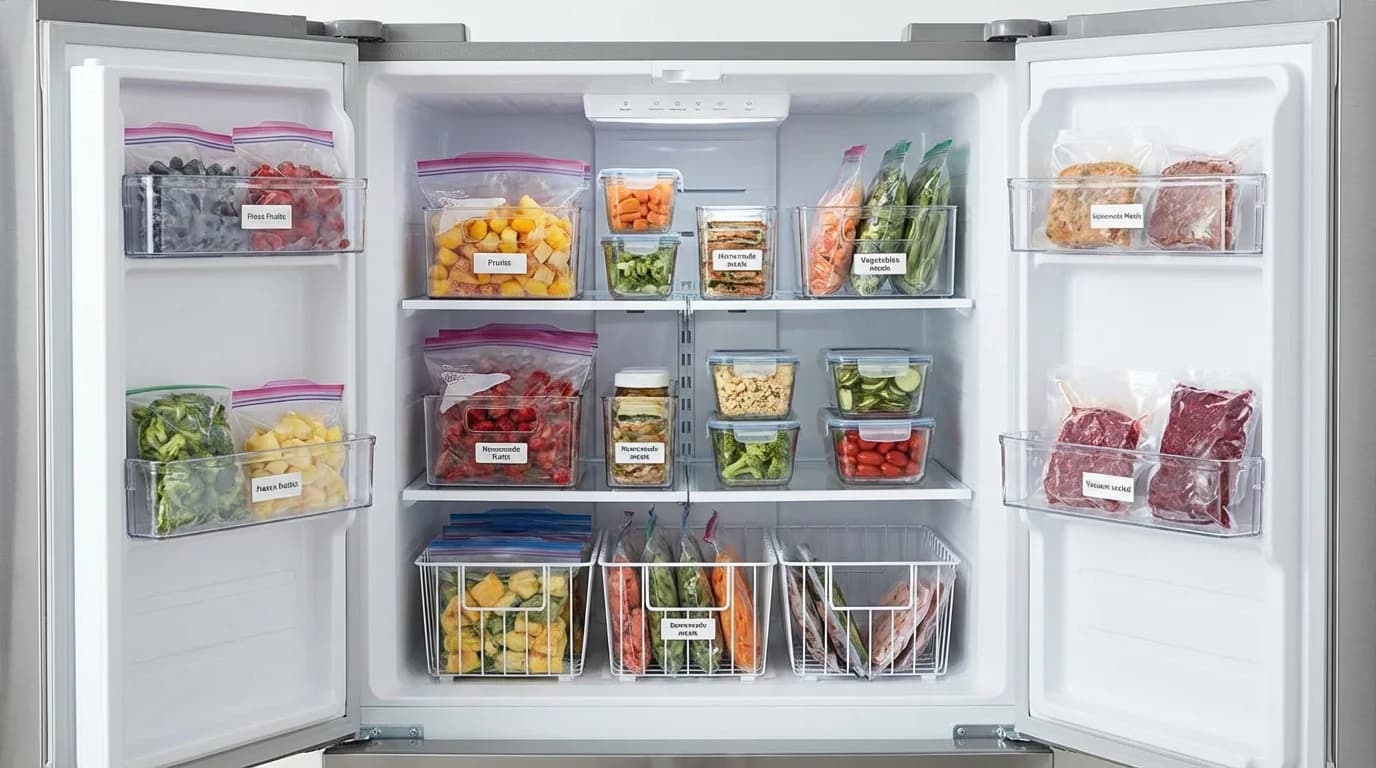
How to Organize Your Freezer: The Ultimate Guide to Maximize Space and Minimize Waste
Your freezer is one of the most powerful tools for saving money and time in the kitchen, yet it's often the most chaotic space in your home. Forgotten frozen vegetables from 2022, mystery meat in unlabeled bags, and ice cream buried under a frozen avalanche—sound familiar?
A well-organized freezer can save you hundreds of dollars annually, reduce food waste, and make meal preparation effortless. Let's transform your freezer from a frozen black hole into an efficient food storage system.
Why Freezer Organization Matters
Before diving into the how-to, consider these compelling reasons to organize your freezer:
- Reduce food waste: The average household wastes $1,800 worth of food yearly—much of it freezer-burned or forgotten
- Save energy: An organized freezer runs more efficiently
- Save time: No more digging for ingredients
- Save money: See what you have before grocery shopping
- Better meal planning: Easy access to frozen ingredients supports your meal prep routine
Understanding Your Freezer Type
Different freezers require different organization strategies.
Top-Freezer Refrigerators
Pros: Easy to see everything at once Cons: Limited vertical space, items get buried
Best strategy: Use shallow bins and baskets to create zones
Bottom-Freezer Refrigerators
Pros: Convenient drawer access Cons: Hard to see items in back
Best strategy: Drawer dividers and pull-out bins
Side-by-Side Refrigerators
Pros: Multiple narrow shelves, good visibility Cons: Limited width for large items
Best strategy: Maximize vertical space with stackable containers
Chest Freezers
Pros: Maximum storage capacity, energy efficient Cons: Everything piles on top of each other
Best strategy: Hanging baskets and a detailed inventory system
Upright Freezers
Pros: Similar to refrigerators, good organization potential Cons: Less efficient than chest freezers
Best strategy: Zone each shelf by category
Step 1: The Great Freezer Cleanout
Set aside 2-3 hours for this crucial first step.
Preparation:
- Choose a cool day: Winter or a cool morning minimizes thawing
- Prepare coolers: Fill with ice packs to temporarily store keepers
- Gather supplies: Trash bags, cleaning cloths, towels
- Turn off ice maker: Prevents it from running during cleaning
The Purge Process:
Remove everything and ask these questions:
- When did I freeze this? (If you can't remember, it's probably too old)
- Is there freezer burn? (Thick ice crystals or discoloration)
- Will I actually eat this? (Be honest)
- Can I identify it? (Mystery items must go)
General freezer storage times:
- Raw ground meat: 3-4 months
- Raw steaks/roasts: 6-12 months
- Cooked meat: 2-3 months
- Raw poultry: 9-12 months
- Fish: 3-6 months
- Vegetables: 8-12 months
- Fruits: 8-12 months
- Bread: 3 months
- Ice cream: 2-3 months
Deep Clean:
- Unplug freezer if doing a complete defrost
- Remove shelves and drawers
- Wash with warm water and baking soda solution
- Dry thoroughly
- Wipe down interior walls
- Clean door seals with warm soapy water
Step 2: Freezer Organization Zones
Create functional zones based on how you cook and eat.
Recommended Zone System:
Zone 1: Proteins (bottom shelf/drawer for safety)
- Raw meats
- Poultry
- Fish
- Seafood
Zone 2: Prepared Foods
- Freezer meals
- Leftovers
- Pre-cooked proteins
- Soups and stews
Zone 3: Vegetables & Fruits
- Frozen vegetables
- Frozen fruits
- Smoothie ingredients
Zone 4: Breads & Baked Goods
- Bread
- Tortillas
- Pastries
- Cookie dough
Zone 5: Quick Meals & Snacks
- Frozen pizzas
- Ice cream
- Frozen dinners
- Snacks
Zone 6: Ice & Miscellaneous
- Ice cubes
- Ice packs
- Specialty items
Step 3: Essential Organization Tools
Invest in the right tools for long-term success.
Must-Have Items:
Clear Storage Bins ($15-25)
- See contents at a glance
- Pull out like drawers
- Various sizes for different zones
- Recommend: Dollar Tree bins or IKEA SAMLA boxes
Freezer Bags ($5-10)
- Multiple sizes
- Write-on surface
- Vacuum seal bags for long-term storage
- Flat storage saves space
Labels & Markers ($5-8)
- Freezer-safe labels (regular labels fall off)
- Permanent markers
- Label maker for polished look
- Masking tape works in a pinch
Stackable Containers ($10-20)
- Square shapes maximize space
- Airtight for freezer burn prevention
- Clear or labeled
- Recommend: Rubbermaid Brilliance or Pyrex containers
Wire Baskets ($8-15 each, especially for chest freezers)
- Hang from sides of chest freezer
- Create layers in upright freezers
- Easy to lift out
Shelf Dividers ($10-15)
- Keep categories separated
- Prevent avalanches
- Adjustable options available
Budget Organization Options:
- Cardboard boxes: Cut down to fit, free
- Reusable shopping bags: Especially for chest freezers
- Binder clips: Clip bags to wire shelves
- Tension rods: Create dividers in freezer drawers
Total investment: $30-50 for basic setup, $75-100 for complete system
Step 4: Proper Freezing Techniques
Organization starts with how you freeze items.
Freezing Proteins:
- Portion before freezing: Freeze in meal-sized portions
- Remove excess air: Prevents freezer burn
- Flatten bags: Saves space, thaws faster
- Double wrap: Extra protection for long-term storage
- Label with date and weight: Essential for meal planning
Pro tip: Freeze ground meat flat in quart-sized freezer bags—they stack like books and thaw quickly.
Freezing Liquids:
- Leave headspace: Liquids expand when frozen
- Use freezer-safe containers: Glass can crack
- Freeze flat in bags: Stack like tiles once solid
- Label contents and date: Frozen soup looks like frozen chili
Freezing Vegetables:
- Blanch first: Preserves color, texture, and nutrients
- Flash freeze: Spread on baking sheet, then transfer to bags
- Remove air: Prevents ice crystals
- Label with cook time: Helpful reminder
Freezing Bread:
- Slice before freezing: Take out only what you need
- Original packaging: Often adequate for short-term
- Double wrap for long-term: Prevents freezer burn
- Freeze fresh: Don't wait until it's stale
Step 5: Labeling System
A comprehensive labeling system is critical for freezer organization.
What to Include on Labels:
- Contents: Be specific ("Beef stew" not "brown stuff")
- Date frozen: Month/Day/Year
- Quantity/servings: Helps with meal planning
- Cooking instructions: Optional but helpful
- Use-by date: Calculate from freezing guidelines
Labeling Methods:
Masking tape + Marker: Budget-friendly, works well Freezer labels: Stay put in cold temperatures Label maker: Professional look, very clear Color coding: Assign colors to categories (red = meat, green = vegetables)
Sample label:
Ground Beef (1 lb)
Frozen: 1/15/2024
Use by: 5/15/2024
Thaw in fridge overnight
Step 6: Inventory Management
Maintain organization with a simple inventory system.
Manual Inventory:
Whiteboard on freezer door:
- List contents by zone
- Check off items as used
- Add items when freezing
- Update weekly
Freezer inventory binder:
- Page for each zone
- List items with dates
- Check off when used
- Review monthly
Digital Inventory:
Spreadsheet method:
- Create categories/tabs
- Update as you add/remove items
- Sort by expiration date
- Share with family members
Apps for freezer inventory:
- FreezerPal
- NoWaste
- Fridge Pal
- Listonic
Benefits of inventory:
- Quick meal planning
- Efficient grocery shopping
- Reduce waste
- Track savings
Step 7: Maintenance Routine
Organization fails without maintenance. Create sustainable habits.
Daily (30 seconds):
- Put items back in correct zones
- Face labels forward
- Close bags securely
Weekly (5 minutes):
- Update inventory
- Check for items needing to be used soon
- Plan meals around freezer contents
- Move older items forward
Monthly (15 minutes):
- Full inventory review
- Check expiration dates
- Reorganize any messy zones
- Wipe up spills
Quarterly (30 minutes):
- Minor cleanout
- Consolidate partial bags
- Reorganize zones if needed
- Defrost manual-defrost freezers
Annually (2-3 hours):
- Complete freezer purge and deep clean
- Replace worn organization tools
- Reassess zone system
- Update labeling
Chest Freezer Organization Strategies
Chest freezers require special attention since items stack vertically.
The Basket Method:
Top layer (hanging baskets):
- Frequently used items
- Ice cream and treats
- Quick-grab items
Middle layer (in bins):
- Organized by category
- Easy to lift out
- Color-coded bins
Bottom layer:
- Long-term storage
- Bulk items
- Large cuts of meat
The Vertical Method:
Store items vertically in magazine holders or file boxes—like filing cabinets for food.
Advantages:
- See everything at once
- Easy to grab what you need
- Maximizes space
- Prevents "avalanche effect"
Chest Freezer Inventory:
Essential for chest freezers since you can't see everything:
- Detailed written or digital inventory
- Update religiously
- Map zones (front left, back right, etc.)
- Photograph contents after organization
Specific Organization Challenges
Challenge: Too Many Partial Bags
Solution:
- Consolidate same items into one bag
- Use binder clips to keep bags closed
- Store small bags in larger bins
- Set "use first" zone for partials
Challenge: Freezer Burn
Solution:
- Remove excess air before freezing
- Use vacuum sealer for long-term storage
- Double wrap meats
- Use within recommended timeframes
- Rotate stock (first in, first out)
Challenge: Mystery Items
Solution:
- Label immediately when freezing
- Use clear containers
- Take photo of contents before freezing (keep in notes app)
- If you can't identify it after thawing slightly, toss it
Challenge: No Room for New Items
Solution:
- Schedule "freezer cleanout" meals
- Donate excess to friends or family
- Don't over-stock
- Follow "one in, one out" rule
Maximizing Freezer Efficiency
An organized freezer runs more efficiently.
Energy-Saving Tips:
- Keep freezer 75% full: Empty freezers work harder
- Freeze ice blocks: Fill empty space with water containers
- Don't over-pack: Air needs to circulate
- Check door seal: Should hold paper tightly
- Organize for quick access: Less door-open time
- Defrost regularly: Ice buildup reduces efficiency
Connecting Freezer Organization to Meal Planning
An organized freezer supercharges your meal prep routine:
- See what you have: Build meals around freezer inventory
- Batch cooking: Store properly organized freezer meals
- Theme nights: Stock freezer with Pizza Friday or Taco Tuesday ingredients
- Emergency meals: Always know you have quick options
- Seasonal cooking: Freeze summer berries for winter smoothies
Before & After: Real Transformations
Maria's Upright Freezer:
- Before: Piled high, couldn't find anything, $300 worth of freezer-burned food wasted
- After: 5 clear bins for zones, labeled system, whiteboard inventory
- Investment: $35
- Result: Saves $50/month avoiding duplicate purchases and waste
Tom's Chest Freezer:
- Before: Only used top 6 inches, forgot what was below
- After: 6 hanging baskets, vertical file system for flat items, detailed inventory
- Investment: $60
- Result: Tripled usable capacity, uses everything before expiration
Common Mistakes to Avoid
- Organizing before purging: Always clean out first
- Buying tools before planning: Measure and plan zones first
- Inconsistent labeling: Develop system and stick to it
- Ignoring inventory: Update as you go
- Overfilling: Leaves no room for air circulation
- Not dating items: Leads to mystery meat syndrome
- Stacking too high: Causes avalanches
- Putting everything in: Not everything freezes well (lettuce, mayonnaise, soft cheese)
Foods That Freeze Surprisingly Well
Maximize your organized freezer by knowing what freezes well:
- Cheese: Shredded or blocks (texture changes but melts fine)
- Butter: Stock up during sales
- Nuts: Prevent rancidity
- Flour: Especially whole grain
- Cookie dough: Scoop and freeze for fresh cookies anytime
- Herbs in oil: Freeze in ice cube trays
- Cooked rice: Portion and freeze flat
- Pancakes/waffles: Freeze with parchment between
- Ginger: Grate frozen directly into dishes
- Wine: Freeze in ice cubes for cooking
Your Freezer Organization Action Plan
Week 1: The Great Cleanout
- Schedule 3-hour block
- Purge expired items
- Deep clean
- Inventory what remains
Week 2: Plan and Shop
- Decide on zones
- Measure spaces
- Purchase organization tools
- Gather labeling supplies
Week 3: Organize
- Set up zones
- Organize items into categories
- Label everything
- Create inventory system
Week 4: Maintain
- Establish maintenance routine
- Fine-tune zones
- Update inventory
- Enjoy your organized freezer!
Conclusion
An organized freezer is a game-changer for busy households. With the right zones, tools, labeling system, and maintenance routine, you'll save money, reduce waste, and make meal preparation effortless.
The key is starting with a complete cleanout, setting up logical zones, labeling everything clearly, and maintaining the system consistently. Your freezer should work for you, not against you.
Remember: The goal isn't freezer perfection—it's creating a functional system that helps you eat well, waste less, and stress less about meals. Start this weekend, and you'll wonder how you ever lived with a chaotic freezer.
Ready to organize another kitchen space? Check out our pantry organization guide to continue your kitchen transformation.
About myrecipe
myrecipe helps families save, organize, and share their favorite recipes in one place. Plan meals, create shopping lists, and preserve your culinary traditions.
Start Organizing Recipes