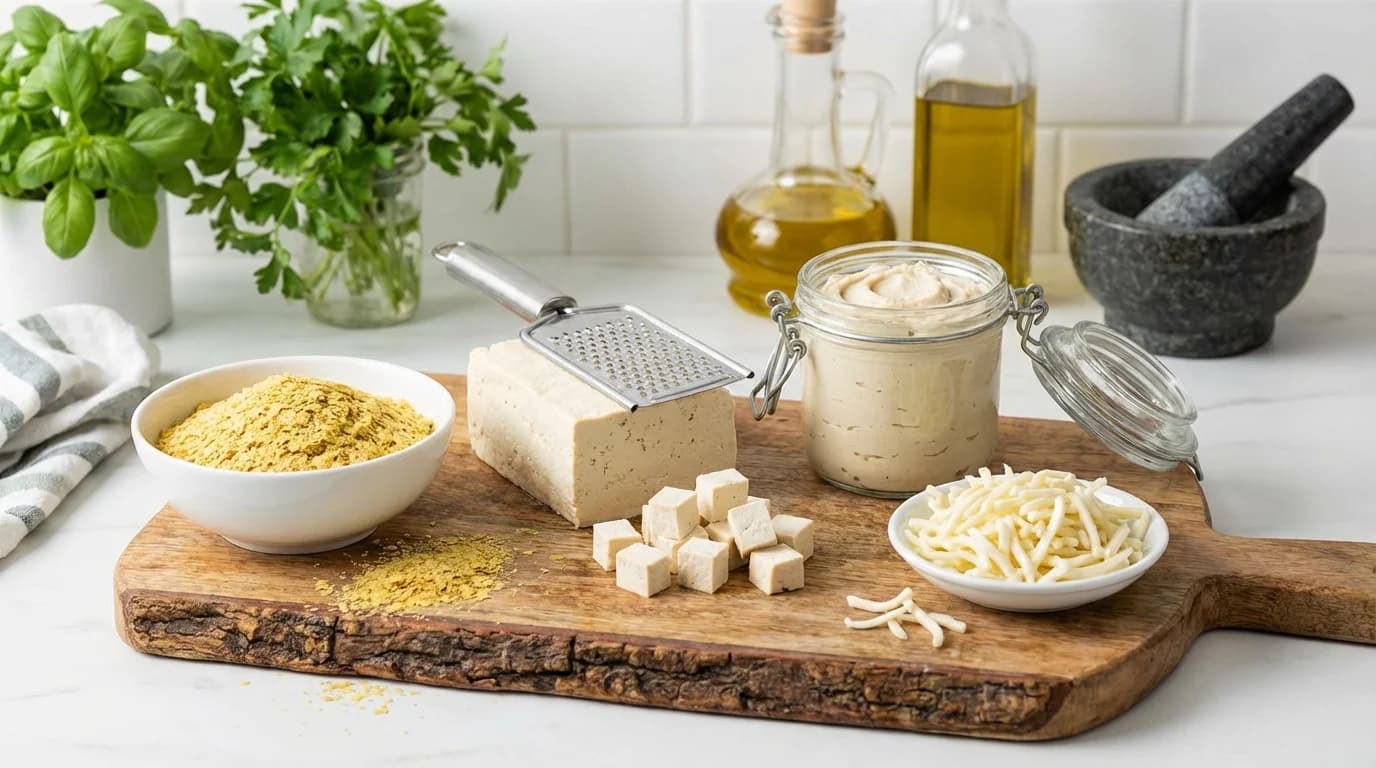
Whether you're dealing with lactose intolerance, following a vegan diet, managing a milk allergy, or simply trying to reduce grocery costs, finding good cheese substitutes can feel challenging. Cheese adds richness, saltiness, creaminess, and umami to dishes—qualities that seem irreplaceable. But with the right substitutes and techniques, you can recreate cheese's magic in any recipe without compromise.
Why Substitute Cheese?
Dietary Restrictions
Lactose Intolerance: Affects 65% of the global population Milk Allergies: Common in children and some adults Vegan Diet: Eliminates all animal products Cholesterol Concerns: Cheese is high in saturated fat
Budget Considerations
Quality cheese is expensive. Learning to substitute strategically can significantly reduce grocery bills—essential for budget grocery shopping tips.
Availability
Some recipes call for specialty cheeses that aren't always accessible or affordable.
Understanding Cheese's Culinary Roles
To substitute effectively, understand what cheese does in your recipe:
Creaminess: Texture and richness Saltiness: Flavor enhancement Umami: Savory depth Binding: Holds ingredients together Melting: Creates stretchy, gooey texture Browning: Golden, crispy tops
Different substitutes excel at different roles. Match your substitute to your recipe's primary need.
Best Cheese Substitutes by Type
For Mozzarella (Fresh and Melting)
Nutritional Yeast + Cashews
- Best For: Pizza, pasta bakes
- How to Use: Blend soaked cashews with nutritional yeast, lemon juice, and salt
- Texture: Creamy when blended, won't stretch like real mozzarella
- Cost: Moderate (cashews are pricey but a little goes far)
Commercial Vegan Mozzarella
- Best For: Pizza, lasagna, grilled cheese
- Brands: Violife, Follow Your Heart, Daiya
- Texture: Melts and stretches (quality varies by brand)
- Cost: Expensive but convenient
Tofu Ricotta
- Best For: Lasagna, stuffed shells
- How to Use: Crumble firm tofu with lemon juice, nutritional yeast, garlic, salt
- Texture: Similar to ricotta, not stretchy
- Cost: Very budget-friendly
For Parmesan (Umami and Saltiness)
Nutritional Yeast
- Best For: Pasta, popcorn, salads
- How to Use: Sprinkle directly as you would Parmesan
- Flavor: Nutty, cheesy, umami-rich
- Cost: Very affordable (a little goes a long way)
- Bonus: Fortified with B-vitamins
Homemade "Parmesan"
- Recipe: 1 cup cashews, ¼ cup nutritional yeast, 1 tsp salt, ¼ tsp garlic powder—pulse in food processor
- Best For: Any recipe calling for grated Parmesan
- Texture: Grainy, similar to grated cheese
- Cost: Moderate
Miso Paste
- Best For: Adding umami to sauces and soups
- How to Use: Whisk into warm (not boiling) liquids
- Flavor: Salty, savory, fermented depth
- Cost: Affordable and lasts months
For Cheddar (Sharp and Melty)
Vegan Cheddar Shreds
- Best For: Tacos, nachos, quesadillas
- Brands: Violife, Follow Your Heart
- Melting: Good (quality varies)
- Cost: Expensive
Butternut Squash "Cheese" Sauce
- Best For: Mac and cheese, nachos, vegetables
- How to Use: Blend cooked squash with nutritional yeast, cashews, spices
- Texture: Creamy and smooth
- Cost: Very affordable, especially with seasonal produce guide timing
Potato-Carrot Cheese Sauce
- Best For: Mac and cheese, cheese dips
- How to Use: Blend cooked potatoes and carrots with nutritional yeast, garlic, spices
- Texture: Smooth and creamy, similar to Velveeta
- Cost: Extremely budget-friendly
For Cream Cheese
Cashew Cream Cheese
- Best For: Bagels, frosting, cheesecake
- How to Use: Blend soaked cashews with lemon juice, salt, and probiotics (for tanginess)
- Texture: Smooth and spreadable
- Cost: Moderate
Silken Tofu Cream Cheese
- Best For: Cooking and baking (not spreading)
- How to Use: Blend silken tofu with lemon juice, salt, and vinegar
- Texture: Smooth but softer than dairy cream cheese
- Cost: Very affordable
Coconut Cream
- Best For: Sweet recipes, frosting
- How to Use: Refrigerate canned coconut milk overnight, scoop out solid cream
- Texture: Rich and thick
- Cost: Affordable
For Ricotta
Tofu Ricotta
- Best For: Lasagna, stuffed shells, cannoli filling
- Recipe: Crumble firm tofu with lemon juice, nutritional yeast, garlic, basil, salt
- Texture: Very similar to dairy ricotta
- Cost: Extremely affordable
- Perfect For: budget casserole recipes
Cashew Ricotta
- Best For: Premium dishes where texture matters
- How to Use: Pulse soaked cashews with lemon juice, salt, and herbs
- Texture: Creamier than tofu version
- Cost: Moderate
For Feta
Tofu Feta
- Best For: Salads, Mediterranean dishes
- How to Use: Marinate firm tofu cubes in lemon juice, olive oil, oregano, salt
- Texture: Crumbly and tangy when marinated
- Cost: Very affordable
Cashew Feta
- Best For: Special occasions
- How to Use: Form cashew cheese mixture into blocks, marinate
- Texture: More authentic than tofu
- Cost: Moderate to expensive
For Blue Cheese
Tahini + Miso + Lemon
- Best For: Dressings and dips
- How to Use: Mix tahini with white miso, lemon juice, garlic
- Flavor: Tangy, funky, savory
- Cost: Affordable
This is Challenging: Blue cheese's distinctive flavor is hard to replicate. Focus on the tangy, funky notes rather than exact replication.
Non-Dairy Cheese Alternatives
Nut-Based
Best Nuts: Cashews (creamy), almonds (mild), macadamia (rich)
Pros: Excellent texture, nutritious, versatile Cons: Expensive, allergen for some people Soak First: 4-8 hours for easier blending
Seed-Based
Best Seeds: Sunflower, hemp
Pros: Nut-free, affordable, nutritious Cons: Stronger flavor than nuts Good For: People with nut allergies
Vegetable-Based
Best Vegetables: Butternut squash, carrots, potatoes, cauliflower
Pros: Extremely affordable, nutrient-dense Cons: Doesn't replicate cheese perfectly but creates delicious sauces Perfect For: cheap healthy meals and budget cooking
Coconut-Based
Forms: Coconut cream, coconut oil
Pros: Rich and creamy Cons: Coconut flavor (works in some recipes, not others) Best For: Sweet applications and curries
Budget-Friendly Cheese Substitutes
Nutritional Yeast
Cost: ~$8 for 8 oz (lasts months) Uses: Sprinkle on pasta, popcorn, vegetables; mix into sauces Flavor: Nutty, cheesy, umami Why It's Great: A tablespoon goes a long way
Potato-Carrot Sauce
Cost: Pennies per serving Uses: Mac and cheese, nacho cheese, vegetable dip Storage: Meal prep on Sunday for the week Perfect For: meal prep on a budget
Tofu
Cost: $2-3 per pound Uses: Ricotta substitute, feta substitute, cream cheese base Versatility: Works in sweet and savory applications Shelf Life: 5-7 days opened; check expiration for unopened
Tahini
Cost: $6-10 per jar (lasts months) Uses: Creamy sauces, salad dressings, dips Flavor: Nutty and rich Bonus: High in calcium and protein
Cooking Techniques for Cheese Substitutes
Creating Stretch and Melt
Tapioca Starch: Add to nut-based cheeses for stretchy texture Method: Heat sauce while stirring—starch gelatinizes and creates pull
Agar Agar: Sets cheese into sliceable blocks Method: Heat with cheese mixture, pour into molds, refrigerate
Building Umami
When you remove cheese, you lose umami. Replace it with:
Nutritional Yeast: Cheesy, savory base Miso Paste: Fermented depth Soy Sauce or Tamari: Saltiness and complexity Mushrooms: Natural glutamates (umami) Tomato Paste: Concentrated savory flavor
Achieving Creaminess
Blended Cashews: Soaked and pureed Coconut Cream: Thick portion of canned coconut milk Silken Tofu: Blended until smooth Potato + Carrot: Cooked and blended White Beans: Surprisingly creamy when pureed
Adding Tang
Cheese has natural acidity. Replicate with:
Lemon Juice: Bright, fresh acidity Apple Cider Vinegar: Mild, slightly sweet White Wine Vinegar: Sharp and clean Pickle Juice: Tangy and salty
Recipe Modifications by Dish
Pizza
Replace Mozzarella With: Commercial vegan mozzarella, cashew mozzarella, or nutritional yeast sprinkled over sauce Pro Tip: Brush crust with garlic oil for extra flavor
Mac and Cheese
Replace Cheddar With: Butternut squash sauce, potato-carrot sauce, or cashew cheese sauce Secret Weapon: Nutritional yeast adds authentic cheese flavor Try: Our easy pasta recipes with dairy-free adaptations
Lasagna
Replace Ricotta With: Tofu ricotta (indistinguishable from dairy!) Replace Mozzarella With: Commercial vegan mozzarella or skip the top layer entirely
Quesadillas
Replace Cheese With: Refried beans, mashed avocado, or vegan cheese shreds Binding Agent: Beans work surprisingly well
Grilled Cheese
Replace Cheese With: Vegan cheese slices, hummus, or mashed white beans with nutritional yeast Cooking Tip: Use vegan butter or oil for crispy exterior
Cheese Dips
Replace Cheese With: Butternut squash sauce, potato-carrot sauce, or cashew queso Perfect For: cheap family meals under 10
Common Mistakes to Avoid
Mistake #1: Using Raw Cashews
Problem: Hard to blend, grainy texture Solution: Soak 4-8 hours or use boiling water for 15 minutes
Mistake #2: Expecting Exact Replication
Problem: Disappointment when it doesn't taste exactly like dairy Solution: Appreciate substitutes on their own terms—they're delicious differently
Mistake #3: Over-seasoning
Problem: Compensating for "missing" cheese flavor with too much salt Solution: Start with less, add gradually, taste frequently
Mistake #4: Wrong Substitute for Application
Problem: Using a non-melting substitute where stretch is essential Solution: Match substitute to recipe requirements (read descriptions carefully)
Mistake #5: Skipping Nutritional Yeast
Problem: Missing the easiest flavor boost Solution: Always have nutritional yeast in your pantry—it's transformative
Shopping for Commercial Vegan Cheese
What to Look For
Ingredients: Shorter lists are often better Type: Shreds melt better than blocks in most cases Reviews: Read online reviews before investing Samples: Some stores offer samples—try before buying
Best Brands (Commonly Available)
Violife: Good melting, decent flavor Follow Your Heart: Wide variety, affordable Daiya: Improved formula, melts well Miyoko's: Premium quality, excellent flavor Kite Hill: Almond-based, great for spreading
When to DIY vs. Buy
Buy Commercial When: You need convenience, reliable melting, or exact cheese slices Make Your Own When: Budget is tight, you have time, or you want to avoid processed foods
The Bottom Line
Cheese substitutes have come a long way. Whether you choose commercial products or make your own from whole foods, you can create delicious, satisfying dishes without dairy. The key is understanding what role cheese plays in your recipe and choosing substitutes that fulfill that specific function.
Start with simple substitutions—nutritional yeast on pasta, tofu ricotta in lasagna, or a butternut squash cheese sauce. As you gain confidence, experiment with more complex applications. Soon, you'll have a repertoire of go-to substitutes that work for your diet, budget, and taste preferences.
Remember: the goal isn't always perfect replication. It's creating delicious food that fits your needs. And with these substitutes, you'll do exactly that while potentially saving money and expanding your culinary skills.
Ready to try cheese-free cooking? Start with our 5-ingredient recipes and adapt them with your new knowledge of cheese substitutes!
About myrecipe
myrecipe helps families save, organize, and share their favorite recipes in one place. Plan meals, create shopping lists, and preserve your culinary traditions.
Start Organizing Recipes