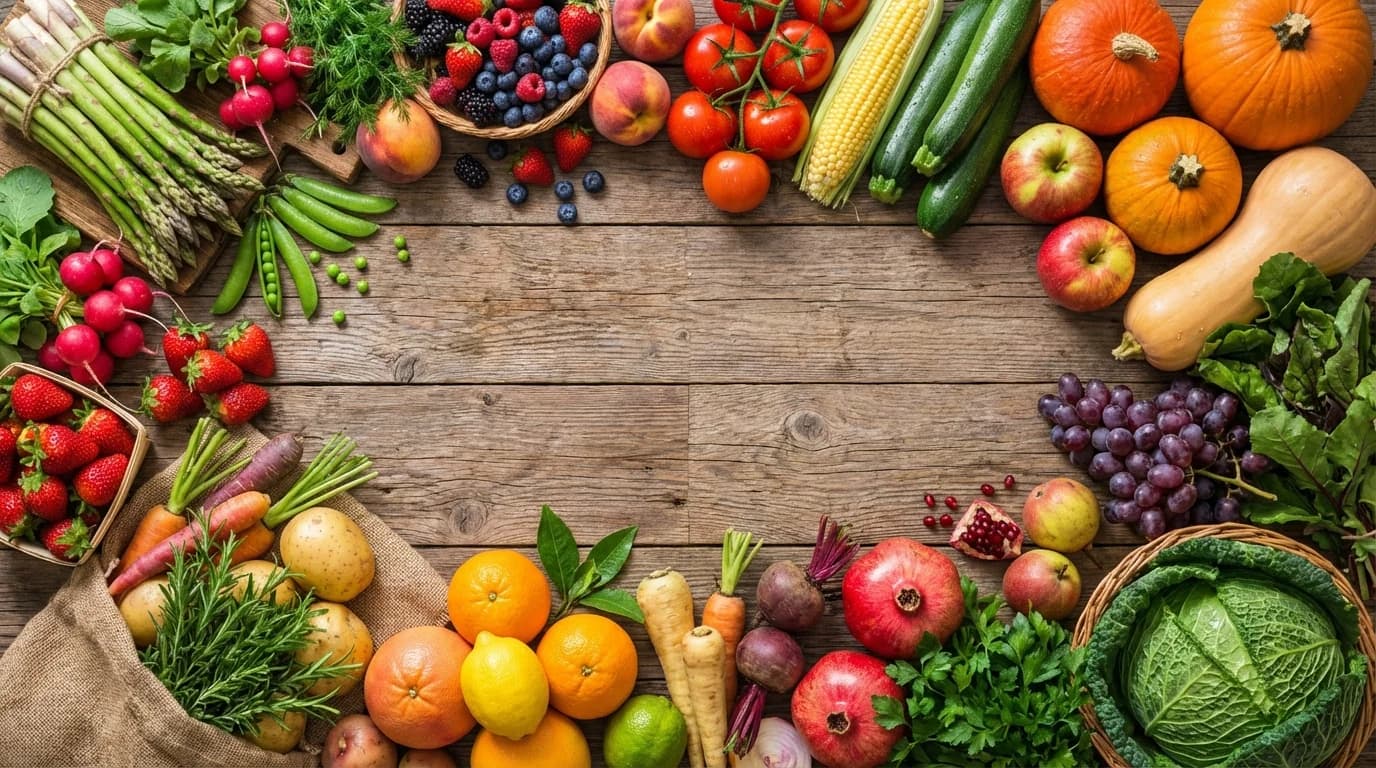
Shopping for seasonal produce is one of the simplest ways to save money, enjoy better-tasting food, and support sustainable agriculture. When you buy strawberries in June instead of December, they're not only cheaper—they actually taste like strawberries should. This comprehensive guide will help you navigate what to buy each season, how to select the best produce, and creative ways to use seasonal ingredients year-round.
Why Seasonal Eating Matters
Better Flavor and Nutrition
Produce picked at peak ripeness and consumed shortly after harvest contains more vitamins, minerals, and antioxidants than food that's traveled thousands of miles or been stored for months.
Significant Cost Savings
During peak season, abundance drives prices down. Tomatoes cost 50-70% less in August than in January. This makes seasonal shopping essential for anyone following budget grocery shopping tips.
Environmental Benefits
Local, seasonal produce requires less transportation, refrigeration, and storage, reducing carbon footprint and environmental impact.
Supports Local Economy
Buying from farmers markets and local growers keeps money in your community and helps small farms thrive.
Natural Variety
Eating seasonally prevents food boredom by rotating ingredients throughout the year, encouraging culinary creativity.
Spring Produce (March - May)
Spring brings tender greens, sweet berries, and the first fresh vegetables after winter's root vegetable season.
What's in Season
Vegetables: Asparagus, artichokes, peas, spinach, lettuce, arugula, radishes, spring onions, fava beans, new potatoes
Fruits: Strawberries, rhubarb, apricots (late spring)
Herbs: Chives, mint, parsley, cilantro
Selection Tips
Asparagus: Look for firm, straight stalks with tight tips. Avoid woody or dried-out stems.
Strawberries: Should be bright red with no white shoulders, fragrant, and firm. Size doesn't indicate flavor!
Artichokes: Choose heavy ones with tightly packed leaves that squeak when squeezed.
Peak Season Recipes
- Early Spring: Asparagus and pea risotto, spring green salads
- Mid Spring: Strawberry salads, new potato dishes
- Late Spring: Artichoke dip, rhubarb crisp
Perfect for quick lunch ideas work featuring fresh, light ingredients.
Summer Produce (June - August)
Summer is produce paradise—the season of abundance when farmers markets overflow with colorful, flavorful options.
What's in Season
Vegetables: Tomatoes, zucchini, summer squash, corn, cucumbers, bell peppers, eggplant, green beans, okra
Fruits: Watermelon, cantaloupe, peaches, nectarines, plums, cherries, blueberries, raspberries, blackberries
Herbs: Basil, oregano, thyme, rosemary, dill
Selection Tips
Tomatoes: Should feel heavy for their size with rich color and slight give. Never refrigerate—it destroys flavor and texture.
Peaches: Gently press near the stem—should yield slightly. Smell the stem end for peachy fragrance.
Corn: Husks should be bright green and silks should be brown but not dried out. Kernels should be plump and milky when punctured.
Watermelon: Look for a yellow spot (where it sat on the ground) and a deep, hollow sound when thumped.
Peak Season Recipes
- Early Summer: Strawberry shortcake, grilled asparagus
- Mid Summer: Caprese salad, grilled vegetable skewers, corn on the cob
- Late Summer: Tomato sauce (for canning), peach cobbler, cucumber salad
Stock up during peak season for batch cooking budget meal prep.
Fall Produce (September - November)
Fall brings heartier vegetables, perfect for warming soups and roasted dishes as temperatures drop.
What's in Season
Vegetables: Butternut squash, pumpkin, Brussels sprouts, cauliflower, broccoli, sweet potatoes, winter squash, kale, chard, carrots, beets, turnips
Fruits: Apples, pears, grapes, cranberries, figs, persimmons
Nuts: Walnuts, pecans, chestnuts
Selection Tips
Butternut Squash: Should be heavy with dull (not shiny) skin and no soft spots. Tan color indicates ripeness.
Apples: Firm with no bruises. Varieties matter—Honeycrisp for snacking, Granny Smith for baking.
Brussels Sprouts: Choose small, tight heads with bright green color. Avoid yellowing or loose leaves.
Cauliflower: Heavy with tight, white florets and minimal dark spots.
Peak Season Recipes
- Early Fall: Apple crisp, roasted Brussels sprouts
- Mid Fall: Butternut squash soup, pear salad
- Late Fall: Pumpkin pie, cranberry sauce, roasted root vegetables
These ingredients shine in cheap slow cooker meals and cheap soup recipes.
Winter Produce (December - February)
Winter seems limiting, but hearty vegetables and stored apples keep variety on the table.
What's in Season
Vegetables: Cabbage, winter squash, potatoes, sweet potatoes, onions, leeks, turnips, rutabaga, kale, collards, celery root
Fruits: Citrus (oranges, grapefruit, lemons, limes), pomegranates, kiwi, stored apples and pears
Storage Crops: Garlic, shallots, dried beans
Selection Tips
Citrus: Should be heavy for their size (indicates juiciness). Thin-skinned varieties are often juicier.
Cabbage: Heavy and firm with crisp leaves. Avoid wilting or strong odor.
Sweet Potatoes: Firm with no cracks or soft spots. Avoid sprouting or green tinges.
Kale: Smaller leaves are more tender. Avoid yellowing or wilting.
Peak Season Recipes
- Early Winter: Citrus salad, kale chips
- Mid Winter: Cabbage rolls, potato soup
- Late Winter: Roasted root vegetable medley, lemon bars
These are perfect pantry staple meals when combined with stored ingredients.
Year-Round Staples
Some produce is available and affordable year-round:
Vegetables: Carrots, onions, garlic, potatoes, celery Fruits: Bananas, avocados (though quality fluctuates) Citrus: Available most of the year with peak in winter
How to Shop Seasonally on a Budget
Visit Farmers Markets at Closing Time
Many vendors reduce prices in the last 30 minutes to avoid taking produce home.
Buy in Bulk During Peak Season
When prices drop, buy extra and preserve through freezing, canning, or drying.
Join a CSA (Community Supported Agriculture)
Pay upfront for weekly produce boxes. Usually costs less than grocery stores and supports local farms.
Focus on What's Abundant
The most plentiful items at markets are usually the best deals and freshest options.
Don't Overlook "Ugly" Produce
Misshaped fruits and vegetables taste the same and often cost less.
Compare Prices
Seasonal produce should be cheaper than out-of-season alternatives. If tomatoes cost more than usual, they're probably imported and not at peak season.
Preserving Seasonal Produce
Freezing
Best For: Berries, corn, peas, blanched greens, sliced peaches
Method: Freeze on baking sheets first, then transfer to bags to prevent clumping
Canning
Best For: Tomatoes, pickles, jams, fruits
Safety Note: Follow tested recipes from reliable sources to prevent botulism
Drying
Best For: Herbs, tomatoes, apples, peppers
Methods: Dehydrator, oven on low, or air-drying (herbs)
Root Cellaring
Best For: Potatoes, onions, garlic, winter squash, apples
Storage: Cool, dark, ventilated space (basement or garage)
These preservation methods enable freezer meal prep and year-round access to summer's bounty.
Regional Variations
Seasonal timing varies by climate:
Northern States: Later springs, shorter summers, longer winters
Southern States: Earlier springs, longer growing seasons, mild winters with fresh greens
Coastal Areas: Moderated temperatures with extended growing seasons
Mountain Regions: Shorter seasons with intense summer production
Your Local Extension Office provides specific seasonal calendars for your area.
Seasonal Eating with Dietary Restrictions
Vegetarian/Vegan
Seasonal eating naturally aligns with plant-based diets. Explore cheap vegetarian meals using what's in season.
Keto/Low-Carb
Focus on seasonal vegetables like leafy greens, cruciferous vegetables, and summer squash. Limit seasonal fruits.
Gluten-Free
All fresh produce is naturally gluten-free—seasonal shopping expands variety.
Budget-Conscious
Seasonal produce is inherently budget-friendly. Combine with meal prep on a budget strategies for maximum savings.
Common Questions About Seasonal Eating
Is Frozen Produce Seasonal?
Frozen vegetables and fruits are typically picked at peak season and frozen immediately, preserving nutrients. They're an excellent budget-friendly option when fresh isn't in season.
What About Greenhouses?
Greenhouse-grown produce extends seasons but costs more than field-grown seasonal items. Good for transitional periods.
How Do I Meal Plan Seasonally?
Start with what's in season, then build meals around it. Check our weekly meal plan budget for seasonal inspiration.
Can I Eat Seasonally in Winter?
Absolutely! Focus on storage crops, winter greens, and preserved summer produce.
Creating Your Seasonal Eating Habit
Start Small
Choose one seasonal ingredient to feature each week.
Visit Farmers Markets
Even if you don't buy everything there, you'll learn what's currently in season.
Plant a Garden
Nothing teaches seasonal eating like growing your own food—even a windowsill herb garden helps.
Follow the Sales
Grocery store sales often highlight seasonal produce.
Use a Seasonal Calendar
Print or download a calendar for your region and keep it on your refrigerator.
The Bottom Line
Eating seasonally isn't about restriction—it's about abundance. Rather than limiting choices, it guides you toward the most flavorful, nutritious, and affordable options at any given time. You'll save money, eat better-tasting food, and develop a deeper connection to where your food comes from.
Start with one season. Notice what arrives at markets and what disappears. Pay attention to price changes. Soon, seasonal eating will become second nature, and you'll find yourself eagerly anticipating strawberry season, fall squash, and winter citrus each year.
Ready to put seasonal produce to work? Check out our budget meal prep beginners guide for practical ways to incorporate seasonal ingredients into your weekly routine!
About myrecipe
myrecipe helps families save, organize, and share their favorite recipes in one place. Plan meals, create shopping lists, and preserve your culinary traditions.
Start Organizing Recipes