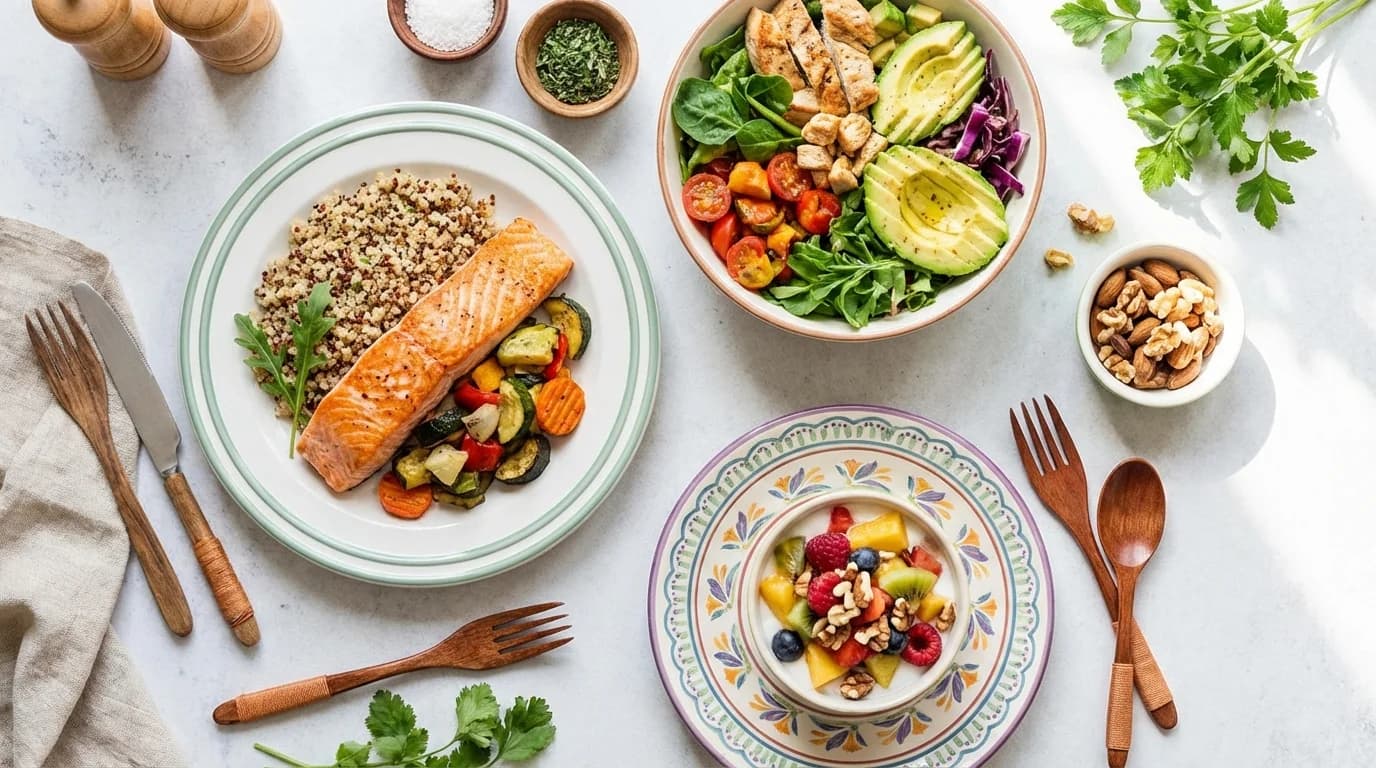
In a world of supersized portions and all-you-can-eat buffets, understanding proper portion control has become a critical skill for maintaining a healthy weight and relationship with food. The good news? Portion control doesn't mean deprivation—it means eating the right amount to fuel your body while still enjoying delicious meals.
This comprehensive guide provides perfectly portioned recipes designed to help you eat well, feel satisfied, and achieve your health goals without counting every calorie or weighing every ingredient.
Why Portion Control Matters
The average restaurant meal contains 2-3 times the recommended serving size. Over the past 50 years, portion sizes have ballooned:
- Bagels: 140 calories (3" diameter) → 350 calories (6" diameter)
- Soda: 6.5 oz → 20 oz (or larger)
- Dinner plates: 9" diameter → 12" diameter
- Restaurant meals: 500-700 calories → 1,200-1,800 calories
This portion distortion has contributed significantly to rising obesity rates and related health issues.
Benefits of Portion Control:
- Weight management without restrictive dieting
- Better blood sugar regulation
- Improved digestion
- Reduced food waste and costs
- Heightened awareness of hunger/fullness cues
- Ability to enjoy all foods in moderation
Understanding Proper Portions
Visual Portion Guides:
- Protein (3-4 oz): Deck of cards or palm of your hand
- Grains (1/2 cup): Cupped handful or tennis ball
- Vegetables (1 cup): Your fist or baseball
- Fats (1 tbsp): Your thumb tip
- Cheese (1.5 oz): Three dice or two fingers
- Nuts (1 oz): Small handful or golf ball
The Plate Method:
- 1/2 plate: Non-starchy vegetables
- 1/4 plate: Lean protein
- 1/4 plate: Complex carbohydrates
- Small amount: Healthy fats
This method works for almost any meal and doesn't require measuring.
Essential Tools for Portion Control
Must-Have Kitchen Tools:
- Food scale (digital, measures in oz and grams)
- Measuring cups and spoons
- Portion-control plates with divided sections
- Smaller dinnerware (8-9" plates vs 12")
- Single-serving storage containers
- Muffin tins for individual portions
Helpful But Optional:
- Silicone muffin cups
- Ramekins (4-6 oz)
- Slow cooker liners
- Food portioning scoops
- Mason jars (pint and half-pint sizes)
35 Portion-Controlled Recipes
Perfectly Portioned Breakfasts
1. Individual Egg Muffins (Makes 12) Whisk 8 eggs with vegetables and cheese, pour into muffin tin. 2 muffins = 1 serving (200 calories).
2. Overnight Oats in Jars 1/2 cup oats + 1/2 cup milk + toppings in 16 oz jar. Perfect portion every time (300 calories).
3. Greek Yogurt Parfait 6 oz yogurt, 1/4 cup granola, 1/2 cup berries. Layer in clear cup (250 calories).
4. Banana Oat Pancakes (Makes 4 pancakes) 1 banana, 2 eggs, 1/4 cup oats. Freeze extras for easy portions (200 calories for 2 pancakes).
5. Veggie Scramble for One 2 eggs, 1/2 cup vegetables, 1 oz cheese. Use an 8" pan (280 calories).
6. Portioned Smoothie Packs Pre-portion ingredients in freezer bags. Add liquid when ready to blend (250-300 calories).
7. Avocado Toast 1 slice whole grain bread, 1/4 avocado, 1 egg. Simple and perfectly sized (320 calories).
For more breakfast ideas, see our quick breakfast ideas.
Lunch Portions That Satisfy
8. Mason Jar Salads Layer dressing at bottom, hearty vegetables, proteins, greens on top. Pint jar = perfect portion (350 calories).
9. Turkey and Hummus Wrap 8" tortilla, 3 oz turkey, 2 tbsp hummus, vegetables. Portion-controlled and portable (320 calories).
10. Soup in Mugs Prepare soup, portion into 2-cup servings. Freeze for grab-and-go lunches (200-300 calories).
11. Bento Box Lunch Divided container: 3 oz protein, 1/2 cup grain, 1 cup vegetables, small fruit, 1 oz nuts (400 calories).
12. Tuna Salad Lettuce Wraps 3 oz tuna, 1 tbsp mayo, serve in lettuce leaves. Naturally portion-controlled (220 calories).
13. Quinoa Power Bowl 1/2 cup cooked quinoa, 3 oz grilled chicken, 1 cup roasted vegetables, 1 tbsp dressing (380 calories).
14. Individual Frittatas Bake egg mixture in muffin tins. 2 frittata muffins = lunch portion (240 calories).
Check our quick lunch ideas work for more options.
Perfectly Portioned Dinners
15. Sheet Pan Salmon and Vegetables 4 oz salmon fillet, 2 cups mixed vegetables, measured olive oil (400 calories).
16. Individual Chicken Pot Pies Use ramekins for single servings. Freeze extras (350 calories each).
17. Measured Pasta Portions 2 oz dry pasta (measure before cooking), 1/2 cup sauce, 3 oz protein, vegetables (450 calories).
18. Personal Pizzas Use pita or English muffin base, measured toppings. Pizza that fits your macros (320 calories).
19. Taco Portion Pack Pre-portion: 4 oz ground turkey, 2 small tortillas, measured toppings (400 calories).
20. Stir-Fry for One 3 oz protein, 2 cups vegetables, 1/2 cup rice, 1 tbsp sauce (380 calories).
21. Grilled Chicken with Sweet Potato 4 oz chicken breast, 1 medium sweet potato, 1 cup broccoli, measured butter (420 calories).
22. Portioned Meatloaf Form into individual loaves using muffin tin. 1 mini loaf = perfect portion (280 calories).
23. Measured Burrito Bowl 1/2 cup rice, 1/2 cup beans, 3 oz protein, measured toppings (450 calories).
Browse our easy dinner ideas for more inspiration.
Snacks and Sides (100-150 Calories)
24. Pre-Portioned Hummus and Veggies 2 tbsp hummus, 1 cup cut vegetables (120 calories).
25. Trail Mix Packs Portion 1 oz servings in small bags (140 calories).
26. Apple with Peanut Butter 1 medium apple, 1 tbsp peanut butter (190 calories).
27. Popcorn Portions 3 cups air-popped popcorn (90 calories).
28. Cheese and Crackers 1 oz cheese, 6 whole grain crackers (150 calories).
Batch Cooking with Portions in Mind
29. Chili in Containers Make big batch, portion into 2-cup containers, freeze (300 calories per portion).
30. Individual Lasagnas Assemble in small pans or ramekins. One pan = one portion (380 calories).
31. Soup in Portions Make large pot, freeze in 2-cup portions (250 calories per serving).
32. Portioned Casseroles Use divided containers or muffin tins for individual servings (320 calories).
Learn batch techniques in our meal prep on a budget guide.
Healthy Desserts (Under 200 Calories)
33. Individual Apple Crisps Bake in ramekins for perfect portions (180 calories).
34. Frozen Yogurt Bark Spread yogurt on pan, add toppings, freeze, break into portions (90 calories per piece).
35. Single-Serve Mug Brownie Satisfy chocolate cravings with a controlled portion (150 calories).
Portion Control Strategies That Work
Visual Cues and Hand Measures
Your Hand is Your Guide:
- Palm: Protein portions (3-4 oz)
- Fist: Vegetable portions (1 cup)
- Cupped hand: Carbohydrate portions (1/2 cup)
- Thumb: Fat portions (1 tablespoon)
This method works anywhere—restaurants, parties, travel—without measuring tools.
The Smaller Plate Trick
Studies show that people who use 8-9" plates consume 22% fewer calories than those using 12" plates, yet report the same satisfaction levels.
Psychology Behind It:
- Smaller plates make portions look larger
- We tend to finish what's on our plate
- Reduces "portion creep" over time
Implementation:
- Use salad plates for main meals
- Serve directly on plates, not family-style
- Keep serving dishes off the table
Pre-Portioning Strategy
Immediate Portioning: When you bring groceries home:
- Divide bulk items into single servings
- Store in individual containers
- Label with portion size and date
- Freeze what you won't use within 3 days
Example:
- Buy 2 lb chicken breast
- Portion into 4 oz servings
- Freeze individually
- Grab one when needed
The Half-Plate Rule
Fill half your plate with non-starchy vegetables before adding anything else. This ensures:
- Adequate vegetable intake
- Automatic portion control for calorie-dense foods
- Better nutrient density
- Increased fiber and satiety
Non-Starchy Vegetables: Broccoli, cauliflower, Brussels sprouts, leafy greens, peppers, zucchini, mushrooms, asparagus, green beans, cabbage
Restaurant Portion Management
Before Ordering:
- Check portion sizes online
- Look for "light" or "fit" menu options
- Ask about half portions
When Ordering:
- Request a to-go box with your meal
- Immediately portion half for later
- Share an entree
- Order appetizer as main course
Avoid:
- Bread baskets (ask server not to bring)
- "Value" upsizing
- All-you-can-eat options
- Family-style dining
Meal Prep for Portion Control
Sunday Prep Strategy
2-Hour Portion Prep Session:
Hour 1: Proteins
- Grill 6 chicken breasts (4 oz each)
- Bake 8 oz ground turkey portions
- Hard-boil 12 eggs
- Portion and freeze
Hour 2: Components
- Chop 2 cups each of 3 vegetables
- Cook 4 cups rice/quinoa, portion into 1/2 cup servings
- Prep 5 mason jar salads
- Assemble snack packs
Container System
Color-Coded Portions:
- Red containers: Proteins (4 oz)
- Green containers: Vegetables (1 cup)
- Yellow containers: Carbs (1/2 cup)
- Blue containers: Healthy fats (1 tbsp)
Build meals by combining one of each color.
Freezer Portions
Freeze in Portions:
- Soups and stews (2-cup containers)
- Cooked grains (1/2-cup portions in bags)
- Proteins (4 oz individual servings)
- Muffins and breakfast items (individually wrapped)
Label Everything:
- Food name
- Portion size
- Calories (if tracking)
- Date prepared
- Reheating instructions
For comprehensive prep strategies, see our meal prep for beginners.
Tracking Without Obsessing
Mindful Eating Practices
The Hunger Scale (1-10):
- 1-2: Starving, dizzy
- 3-4: Hungry, ready to eat
- 5-6: Satisfied, neutral
- 7-8: Comfortably full
- 9-10: Uncomfortably stuffed
Goal: Start eating at 3-4, stop at 6-7.
Mindful Eating Techniques:
- Eat without screens
- Chew thoroughly (20-30 times)
- Put fork down between bites
- Take 20 minutes to finish meals
- Notice flavors, textures, satisfaction
When to Measure vs Estimate
Always Measure:
- Calorie-dense foods (oils, nuts, cheese, dressings)
- When learning portions
- High-carb foods (pasta, rice, bread)
- When progress stalls
Can Estimate:
- Non-starchy vegetables
- Leafy greens
- Low-calorie beverages
- After mastering portion sizes
Flexible Portion Control
The 80/20 Approach:
- 80% of meals: Controlled portions
- 20% of meals: Flexible, intuitive eating
This prevents burnout and supports long-term success.
Special Occasions:
- Don't stress about perfect portions
- Use hunger/fullness cues
- Return to normal portions next meal
- Avoid "all or nothing" thinking
Common Portion Control Mistakes
Mistake #1: Drinking Calories
Problem: Beverages don't trigger fullness like solid food.
Solution:
- Stick to water, unsweetened tea, black coffee
- Limit juice to 4 oz portions
- Count alcohol calories (beer 150, wine 120, spirits 100 per serving)
- Use smaller glasses
Mistake #2: Mindless Snacking
Problem: Eating from bags/boxes leads to overconsumption.
Solution:
- Always portion snacks into bowls
- Pre-portion into baggies
- Eat only at table, not while standing
- Keep snacks out of sight
Mistake #3: Finishing Everything
Problem: Cultural conditioning to "clean your plate."
Solution:
- Serve smaller portions initially
- It's okay to leave food
- Save leftovers for another meal
- Listen to fullness cues, not plate status
Mistake #4: Inconsistent Portions
Problem: Eyeballing portions that grow over time.
Solution:
- Periodically re-measure foods
- Use consistent containers
- Take photos of proper portions for reference
- Weigh/measure for one week monthly
Mistake #5: All-or-Nothing Thinking
Problem: One large portion derails entire day.
Solution:
- One meal doesn't define your success
- Resume normal portions next meal
- Don't restrict to "make up" for it
- Focus on overall patterns, not perfection
Budget-Friendly Portion Control
Cost Savings Through Portions
Proper Portions Save Money:
- Less food waste
- Groceries last longer
- Fewer impulse purchases
- Reduced restaurant spending
Example Savings:
- Family of 4 reducing portions by 20% = $100-150/month savings
- Single person controlling portions = $50-75/month savings
Affordable Portion-Control Foods
Budget MVPs:
- Eggs: Perfect portions, cheap protein
- Oats: Easy to measure, filling
- Frozen vegetables: No waste, pre-portioned
- Beans and lentils: Inexpensive, naturally portioned
- Rice and pasta: Buy bulk, portion yourself
Stretching Portions Healthfully
Volume-Increasing Strategies:
- Add vegetables to stretch servings
- Use broth-based soups as first course
- Drink water before meals
- Include high-fiber foods (increase satiety)
For budget strategies, check our meals for one person budget.
Portion Control for Families
Teaching Kids Healthy Portions
Age-Appropriate Portions:
- Toddlers: 1/4 adult portion
- Young children: 1/2 adult portion
- Teens: 3/4 to full adult portion
Strategies:
- Use kid-sized plates
- Let them serve themselves (with guidance)
- Teach hunger/fullness cues
- Avoid "clean plate club" mentality
Family-Style Adaptations
Serve Different Portions:
- Prepare one meal
- Each person serves appropriate amount
- Keep serving dishes off table
- Second helpings only after 10-minute wait
Your Portion Control Action Plan
Week 1: Awareness
- Measure everything you eat for one week
- Compare to recommended portions
- Identify where you overeat most
- No changes yet—just observe
Week 2: Tools
- Buy smaller plates (8-9")
- Get portion containers
- Purchase food scale
- Organize kitchen for success
Week 3: Implementation
- Pre-portion 3 foods you overeat
- Use hand measures at restaurants
- Apply half-plate rule to dinners
- Pack portioned lunches
Week 4: Habit Formation
- Batch-prep portioned meals
- Practice stopping at 80% full
- Measure calorie-dense foods only
- Evaluate progress and adjust
Beyond the Basics
Advanced Strategies:
- Macro-based portions (protein, carb, fat ratios)
- Calorie cycling (higher/lower days)
- Portion adjustments for activity level
- Seasonal portion variations
Maintenance Mode:
- Periodic re-measuring (monthly)
- Continued use of smaller plates
- Mindful eating practices
- Flexible approach to special occasions
The Bottom Line
Portion control isn't about restriction or deprivation—it's about eating the right amount for your body's needs while still enjoying delicious, satisfying food.
By using proper portions, you can:
- Lose or maintain weight without "dieting"
- Reduce food waste and costs
- Improve overall health markers
- Develop a healthier relationship with food
- Eat all foods in moderation
Start with measuring for one week to recalibrate your perception of portions. Then implement the strategies that work best for your lifestyle.
The goal isn't perfection—it's progress. Small, consistent changes in portion sizes add up to significant results over time.
Ready to take your healthy eating further? Explore our meal prep for weight loss guide for additional strategies.
About myrecipe
myrecipe helps families save, organize, and share their favorite recipes in one place. Plan meals, create shopping lists, and preserve your culinary traditions.
Start Organizing Recipes