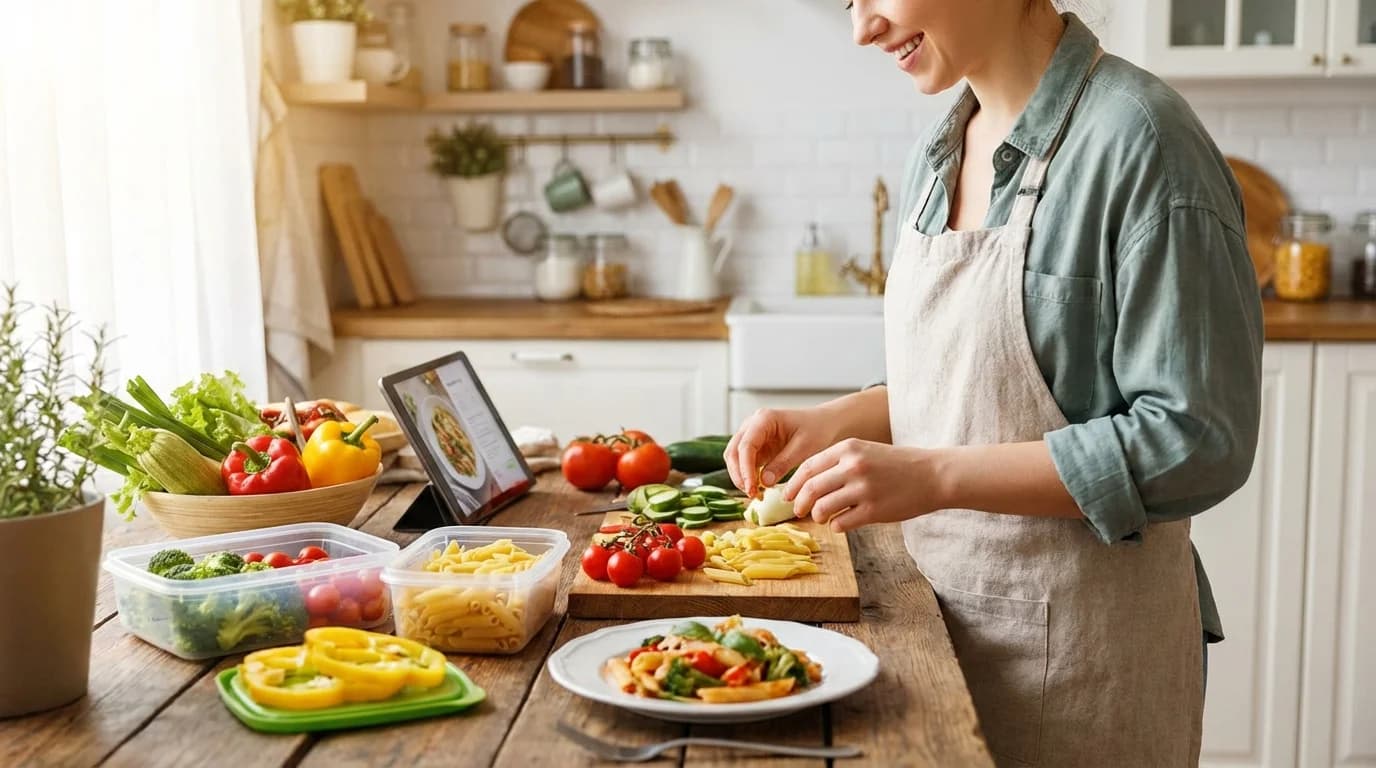
Cooking for one is an art form that millions are learning to master. Whether you're a college student in your first apartment, a busy professional, a recent empty nester, or simply someone who enjoys living solo, cooking for yourself presents unique challenges—and incredible opportunities.
This comprehensive guide shares 50 proven strategies to help you shop smarter, waste less, save money, and actually enjoy cooking for one.
The Solo Cooking Mindset
Before diving into tactics, let's address the mental shift required for successful solo cooking.
Change Your Perspective
Cooking for one isn't:
- Sad or lonely
- More expensive
- Not worth the effort
- Limited to boring meals
Cooking for one is:
- Complete control over your meals
- Freedom to experiment
- Opportunity to eat exactly what you want
- A valuable life skill
- Often cheaper and healthier than alternatives
Embrace the Advantages
- Variety: Try new recipes more often
- Speed: Smaller portions cook faster
- Customization: No compromising on flavors
- Learning: Perfect skills without pressure
- Health: Control ingredients and portions
Smart Shopping Strategies
Tip 1: Shop More Frequently
Instead of one weekly trip, shop 2-3 times for fresh items. This reduces waste and keeps produce fresher.
Tip 2: Befriend the Bulk Bins
Buy exactly the amount you need of:
- Grains (rice, quinoa, oats)
- Nuts and seeds
- Dried beans
- Spices
- Dried fruit
Tip 3: Embrace Frozen Vegetables
Frozen vegetables are:
- Often cheaper than fresh
- Just as nutritious
- Already prepped
- Available year-round
- Zero waste
Tip 4: Buy Protein Smart
At the Meat Counter:
- Ask for single portions (one chicken breast, one pork chop)
- Buy family packs on sale, freeze individually
- Request custom cuts
Pre-Packaged:
- Immediately divide and freeze
- Separate with parchment paper
- Label with date and weight
Tip 5: Strategic Package Buying
When buying packaged foods:
- Calculate cost per serving, not per package
- Consider if you can freeze extras
- Buy smaller sizes even if more expensive per ounce (less waste = actual savings)
Tip 6: Make Friends with Store Staff
Regular relationships help:
- Get single portions from bulk items
- Learn about upcoming sales
- Access smaller quantities
- Time visits for markdown periods
Tip 7: Use Multiple Stores Strategically
- Bulk store: Non-perishables, freezer items
- Farmers market: Small quantities fresh produce
- Regular grocery: Weekly staples
- Ethnic markets: Spices, specialty items in small amounts
Tip 8: Shop Your Pantry First
Before any shopping trip:
- Inventory what you have
- Plan meals around existing ingredients
- Avoid buying duplicates
- Reduce waste
For budget shopping strategies, see our meals for one person budget guide.
Kitchen Setup for Success
Tip 9: Right-Size Your Cookware
Essential Solo Sizes:
- 8-inch nonstick skillet
- 1-2 quart saucepan
- Small baking dish (6x8 or 8x8)
- Quarter sheet pan
- Small slow cooker (2-3 quart)
Tip 10: Invest in Quality Storage
Must-Haves:
- 2-cup containers with lids
- Quart freezer bags
- Small mason jars
- Plastic wrap and foil
- Freezer-safe containers
Tip 11: Tool Minimalism
You don't need every gadget:
- Good chef's knife
- Cutting board
- Measuring tools
- Mixing bowls
- Spatula, spoon, whisk
Tip 12: Embrace Small Appliances
Game-Changers for Solo Cooking:
- Toaster oven (no heating full oven)
- Immersion blender (easier than full blender)
- Electric kettle (fast water heating)
- Small rice cooker
- Air fryer
Tip 13: Organize for One
- Store portions at front of freezer
- Keep frequently used items accessible
- Use clear containers to see contents
- Label everything with dates
Meal Planning for One
Tip 14: The Three-Meal Strategy
Plan only 3-4 dinners per week:
- Allows flexibility
- Reduces food waste
- Accommodates social plans
- Less overwhelming
Tip 15: Ingredient Overlap Planning
Choose recipes that share ingredients:
Example Week:
- Monday: Chicken stir-fry
- Wednesday: Chicken tacos
- Friday: Chicken Caesar salad
One protein, three different meals.
Tip 16: Build a Recipe Rotation
Maintain 10-15 reliable solo recipes:
- 3-4 breakfasts
- 3-4 lunches
- 6-8 dinners
Rotate through these, adding new recipes monthly.
Tip 17: Theme Nights
Assign themes to reduce decision fatigue:
- Monday: Meatless Monday
- Tuesday: Taco Tuesday
- Wednesday: Pasta night
- Thursday: Leftovers/freezer meal
- Friday: Fish Friday
Tip 18: Keep a Meal Bank
Maintain 4-5 frozen single-serve meals:
- Prevents takeout on busy nights
- Uses up ingredients before spoiling
- Provides variety
- Emergency meal backup
Check our meal prep single person article for batch strategies.
Cooking Techniques for One
Tip 19: Master Single-Serving Scaling
Quick Math:
- 4 servings ÷ 4 = 1 serving
- 6 servings ÷ 6 = 1 serving
- Round down slightly if amounts are odd
Tip 20: One-Pan Meals
Embrace sheet pan and skillet dinners:
- Protein + vegetables on one pan
- Minimal cleanup
- Everything cooks together
- Perfect for one
Browse our sheet pan dinners for ideas.
Tip 21: Batch Components, Not Full Meals
Instead of making full recipes to freeze:
- Cook plain proteins
- Prepare grains
- Roast vegetables
- Store separately, combine fresh
Tip 22: Use Your Microwave Strategically
Microwaves excel at solo cooking:
- Steam vegetables in minutes
- Reheat single portions perfectly
- Mug meals (eggs, oatmeal, even cakes)
- No oven preheating
Tip 23: Embrace the Toaster Oven
For solo cooking, toaster ovens:
- Heat faster than full ovens
- Use less energy
- Perfect for small portions
- Great for reheating
Tip 24: Master Quick-Cooking Proteins
15-Minute Proteins:
- Shrimp (3-5 minutes)
- Thin chicken breasts (10 minutes)
- Fish fillets (8-12 minutes)
- Eggs (various methods)
- Canned beans (just heat)
Tip 25: Partial Can Solutions
Leftover Canned Goods:
- Freeze in ice cube trays (tomato paste, beans)
- Store in small containers (4-5 days refrigerated)
- Plan recipes that use same ingredient
- Accept minimal waste sometimes
Reducing Food Waste
Tip 26: FIFO System
First In, First Out:
- Place new groceries behind old
- Use oldest items first
- Check dates regularly
- Plan meals around expiring items
Tip 27: Freeze Everything Possible
Surprising Freezables:
- Cheese (texture changes slightly)
- Milk
- Butter
- Bread
- Cooked grains
- Herbs in oil/water in ice trays
- Egg whites (separate first)
- Chopped onions
- Ginger and garlic paste
Tip 28: Vegetable Scrap Stock
Save vegetable scraps in freezer:
- Onion ends
- Carrot peels
- Celery leaves
- Herb stems
- Mushroom stems
When full, simmer for homemade stock.
Tip 29: Creative Leftover Transformations
Repurpose, Don't Repeat:
- Roasted chicken → chicken salad → soup
- Cooked rice → fried rice → rice pudding
- Roasted vegetables → frittata → pasta topping
Tip 30: Proper Storage Techniques
Extend Freshness:
- Herbs in water like flowers
- Berries unwashed until use
- Lettuce in paper towels
- Onions in pantyhose (ventilation)
- Cheese wrapped in parchment, then plastic
For more waste reduction, see our budget grocery shopping tips.
Time-Saving Strategies
Tip 31: Prep While You Cook
While pasta boils or chicken bakes:
- Chop tomorrow's vegetables
- Wash dishes
- Prep lunch
- Clean as you go
Tip 32: Sunday Power Hour
One hour of prep:
- Wash and chop vegetables
- Cook proteins
- Boil eggs
- Portion snacks
- Prep breakfast components
Tip 33: Embrace Quality Convenience
Worth the Cost:
- Pre-minced garlic
- Pre-washed salad greens
- Rotisserie chicken
- Pre-cut vegetables (if you'll actually use them)
- Frozen riced cauliflower
Tip 34: Double Duty Ingredients
Choose ingredients with multiple uses:
- Greek yogurt (breakfast, sauce base, sour cream substitute)
- Eggs (breakfast, binding, protein addition)
- Spinach (salads, cooked sides, smoothies)
Tip 35: Keep a "Use First" List
Maintain a list on your fridge:
- Items expiring soon
- Partial packages
- Leftover components
Check before cooking or shopping.
Budget-Friendly Solo Cooking
Tip 36: Calculate True Cost Per Serving
Consider waste when shopping:
- $3 for small package you'll use completely
- vs $5 for large package where half spoils
- First option is actually cheaper
Tip 37: Build a Strategic Pantry
Cost-Effective Staples:
- Rice and pasta (buy bulk)
- Canned beans and tomatoes
- Oils and vinegars
- Spices (bulk bins or ethnic markets)
- Flour, sugar, baking essentials
Tip 38: Meatless Meals
Incorporate 2-3 vegetarian dinners weekly:
- Significantly reduces costs
- Increases vegetable intake
- Expands cooking skills
- Better for environment
Tip 39: Seasonal Shopping
Buy produce in season:
- Costs 30-50% less
- Better quality
- Supports local farmers
- Teaches seasonal cooking
Tip 40: Generic Brand Acceptance
For solo cooking, generic brands:
- Cost 25-40% less
- Often identical to name brands
- Same ingredients
- More budget for quality proteins
Nutritional Considerations
Tip 41: The Balanced Plate Method
Every Meal:
- 1/2 plate vegetables
- 1/4 plate protein
- 1/4 plate complex carbs
- Small amount healthy fat
Tip 42: Supplement Smart
Solo diners often lack variety. Consider:
- Daily multivitamin
- Vitamin D (especially winter)
- Omega-3 (if not eating fish)
Tip 43: Vegetable Hiding Techniques
Boost Nutrition:
- Add spinach to everything
- Grate zucchini into sauces
- Blend vegetables into soups
- Sneak into smoothies
Tip 44: Protein at Every Meal
Easy Protein Additions:
- Hard-boiled eggs
- Canned tuna or salmon
- Greek yogurt
- Nuts and seeds
- Beans
Tip 45: Hydration Habits
Living alone, it's easy to forget water:
- Keep water bottle visible
- Drink glass before each meal
- Set phone reminders
- Flavor with fruit if needed
Social Aspects of Solo Cooking
Tip 46: Occasional Scaling Up
When cooking for guests:
- Use familiar solo recipes, just multiply
- Prep more but same techniques
- Less intimidating than new complex recipes
Tip 47: Meal Swaps with Friends
Trade prepared meals with other solo cooks:
- Each person makes 4 portions of one recipe
- Swap for variety
- Social connection
- Shared cooking burden
Tip 48: Virtual Cooking Dates
Cook "together" via video call:
- Make same or different recipes
- Eat together virtually
- Share tips and company
- Regular social commitment
Tip 49: Document Your Wins
Keep a Food Journal:
- Photograph successful meals
- Note recipe sources
- Record modifications
- Track costs
Tip 50: Join Online Communities
Connect with other solo cooks:
- Recipe sharing
- Troubleshooting help
- Motivation
- Feeling less alone in cooking alone
Common Solo Cooking Mistakes
Mistake: Cooking Like You Feed Four
Solution: Find single-serving recipes rather than constantly scaling down.
Mistake: Not Using Your Freezer
Solution: Freeze portions, ingredients, and prepared components aggressively.
Mistake: Avoiding Cooking Altogether
Solution: Start with 3 easy recipes. Build slowly. Progress over perfection.
Mistake: Buying Without Planning
Solution: Plan just 3-4 meals before shopping. Don't wing it.
Mistake: Comparing to Family Cooking
Solution: Embrace that solo cooking is different—not worse, just different.
Your Solo Cooking Action Plan
Week 1: Assessment
- Inventory current tools and cookware
- Evaluate what's working and what isn't
- Choose 5 solo recipes to try
- Set up basic storage system
Week 2: Shopping Strategy
- Identify best stores for small quantities
- Create master pantry list
- Shop 2-3 times in small trips
- Practice buying single portions
Week 3: Cooking Implementation
- Cook 4 meals at home
- Try batch prepping one component
- Experiment with freezing portions
- Practice one new technique
Week 4: Refinement
- Evaluate what worked
- Build your 10-recipe rotation
- Optimize shopping list
- Establish sustainable routine
Advanced Solo Cooking
Once basics are mastered:
Skill Development:
- Learn knife skills
- Master sauces
- Explore ethnic cuisines
- Try advanced techniques
Equipment Upgrades:
- Quality knives
- Cast iron skillet
- Instant Pot
- Sous vide
Recipe Expansion:
- Baking for one
- Fermenting
- Preserving
- Specialty diets
Check our cooking for two recipes for when you have company.
The Bottom Line
Solo cooking is a valuable life skill that improves health, saves money, and provides independence. The key is creating systems that work for your lifestyle, not following someone else's rules.
Remember:
- Start small and build gradually
- Embrace convenience strategically
- Don't aim for perfection
- Make it enjoyable, not a chore
The difference between takeout and home cooking:
- Takeout: $12-20 per meal, limited nutrition control, passive activity
- Home cooking: $3-6 per meal, complete control, valuable skill building
Over a month, that's $270-420 in savings by cooking at home just 5 nights per week.
More importantly, you'll eat better, gain confidence, and develop a skill that serves you for life.
Start with three recipes this week. Master those. Build from there. You've got this.
Ready to expand your repertoire? Explore our single serving meals easy collection for more perfectly portioned recipes.
About myrecipe
myrecipe helps families save, organize, and share their favorite recipes in one place. Plan meals, create shopping lists, and preserve your culinary traditions.
Start Organizing Recipes