50 Baby-Led Weaning Recipes (6-12 Months): First Foods Made Easy
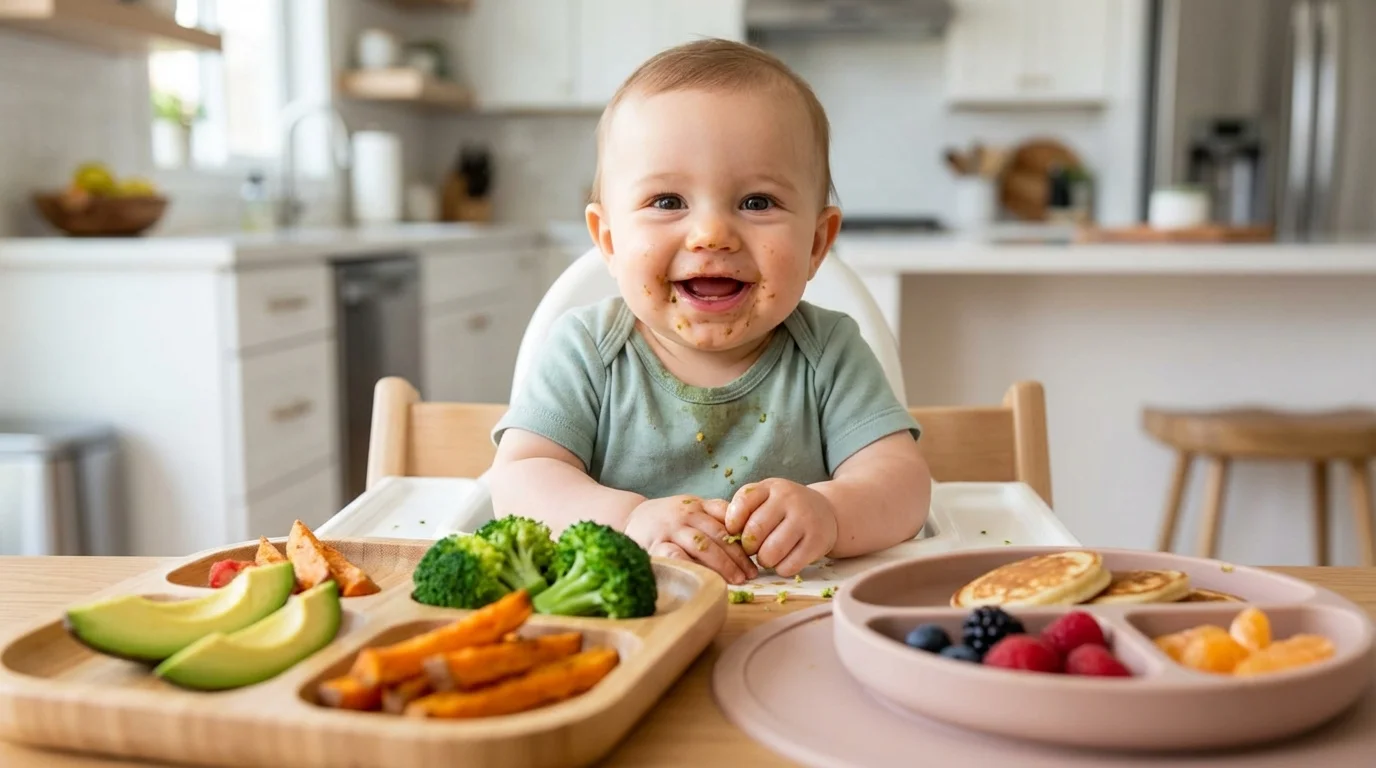
Baby-led weaning (BLW) lets babies explore food at their own pace, feeding themselves from the start instead of being spoon-fed purees. It's messy, empowering, and helps develop motor skills, independence, and healthy eating habits.
If you're ready to start BLW but overwhelmed by what to actually serve, these 50 recipes provide safe, nutritious options for babies 6-12 months old—organized by age and developmental stage.
Baby-Led Weaning Basics
When to Start:
- Baby is around 6 months old
- Can sit up unassisted
- Shows interest in food
- Has lost tongue-thrust reflex
- Can bring objects to mouth
Safety First:
- Always supervise eating
- Offer foods in safe shapes (strips, not round pieces)
- Avoid choking hazards (whole grapes, nuts, popcorn, hard raw vegetables)
- Learn infant CPR before starting
- Start with soft, easily mashable foods
The BLW Approach:
- Baby feeds themselves from the beginning
- Offer variety of nutritious whole foods
- Food is for exploring at first; milk is main nutrition until 12 months
- Expect mess (it's part of learning!)
- No pressure to eat specific amounts
Foods to Avoid (Under 12 Months)
Never offer:
- Honey (botulism risk)
- Whole nuts (choking hazard)
- Popcorn (choking hazard)
- Hard raw vegetables (carrot sticks, celery)
- Whole grapes or cherry tomatoes (cut in quarters lengthwise)
- Large spoonfuls of nut butter (choking hazard)
- Added salt or sugar
Modify these:
- Apples: cook until soft or grate
- Grapes: quarter lengthwise
- Tomatoes: remove skins, quarter
- Meat: serve in strips or very small pieces, moist and tender
50 Baby-Led Weaning Recipes by Age
6-7 Months: First Foods (Soft Textures, Easy to Grasp)
At this stage, babies are learning to bring food to mouth and experiment with chewing. Offer soft foods in strips or wedges that stick out of their fist.
1. Avocado Spears Cut ripe avocado into thick strips. Roll in ground oats or baby cereal for grip. Babies can gum soft avocado easily. Healthy fats support brain development.
2. Steamed Sweet Potato Wedges Peel and cut sweet potato into thick wedges (like big fries). Steam until very soft (easily pierced with fork). Natural sweetness appeals to babies.
3. Banana Split Cut banana in half, then split lengthwise. The natural handle shape is perfect for little fists. Very soft for gumming.
4. Steamed Broccoli Florets Large florets with stems intact (the stem is the handle). Steam until very soft. Rich in iron and vitamin C.
5. Roasted Butternut Squash Strips Peel, cut into strips, roast with olive oil until very soft. Sweet flavor and soft texture.
6. Scrambled Eggs (Strips) Scramble eggs well, cook fully, cut into strips. Protein-rich and soft. Can add breast milk or formula for extra moisture.
7. Toast Strips with Nut Butter Whole grain toast cut into strips, thinly spread with peanut or almond butter (thin layer to prevent choking). Good for introducing allergens early.
8. Steamed Carrot Sticks Peel carrots, cut into thick sticks, steam until very soft (not crunchy at all). Test with fork—should squish easily.
9. Pear Slices (Ripe) Very ripe pear, cut into thick slices, skin removed. Soft and sweet. Iron absorption booster (vitamin C).
10. Oatmeal Fingers Make thick oatmeal, press into pan, refrigerate until firm, cut into strips. Easy to hold, good texture for practicing chewing.
11. Rice Cakes Plain, salt-free rice cakes. Dissolve in mouth easily. Good for developing pincer grasp as they break pieces off.
12. Cucumber Strips (Peeled and Seeded) Remove skin and seeds, cut into thick strips. Cool and refreshing, especially for teething babies.
7-9 Months: Building Skills (More Variety, Different Textures)
Babies now have more practice bringing food to mouth and may be developing pincer grasp (thumb and forefinger). Offer varied textures and flavors.
13. Mini Meatballs (Very Soft) Ground turkey or beef mixed with breadcrumbs (or mashed sweet potato as binder), small pinch of herbs. Make marble-sized. Cook thoroughly, ensure very moist.
14. Flaked Salmon Baked salmon, flaked into small pieces. Check carefully for bones. Rich in omega-3s. Moist fish works best.
15. Chicken Strips (Slow Cooked) Slow cook chicken thighs until extremely tender. Shred into strips or small pieces. Dark meat stays moister than breast.
16. Pasta Shapes (Large) Cook rigatoni, penne, or fusilli until very soft. Toss with olive oil or a little sauce. Easy for babies to grab and explore. Related to easy pasta recipes.
17. Cheese Strips Soft cheese (mozzarella, mild cheddar) cut into strips. Good protein and calcium source. Melting slightly makes it easier to mash.
18. French Toast Strips Whole grain bread dipped in egg and cinnamon, cooked, cut into strips. No added sugar needed—naturally sweet.
19. Pancake Strips Whole wheat pancakes (no added sugar), cut into strips. Can add mashed banana to batter. Freeze extras for quick breakfasts. Check quick breakfast ideas for more options.
20. Hummus on Toast Whole grain toast with thin layer of hummus spread. Good iron source (chickpeas) and easy to gum.
21. Quinoa Patties Cooked quinoa mixed with egg and grated vegetables, formed into small patties, baked. High in protein and iron.
22. Zucchini Fritters Grated zucchini mixed with egg and a small amount of flour, pan-fried in olive oil. Soft and veggie-packed.
23. Apple Sauce (Thick) Homemade applesauce, no added sugar. Serve on a spoon for baby to grab (spoon-fed by baby, not you).
24. Greek Yogurt Full-fat plain Greek yogurt. Pre-load a spoon for baby to grab, or let them explore with hands. Protein and probiotics.
25. Mango Strips Ripe mango cut into thick strips. Slippery but delicious. Roll in baby cereal for grip if needed.
8-10 Months: Confident Eaters (Smaller Pieces, Mixed Textures)
Pincer grasp is developing. Babies can handle smaller pieces and enjoy more complex flavors and mixed textures.
26. Mini Egg Muffins Whisk eggs with finely diced vegetables (peppers, spinach), pour into muffin tins, bake. Perfect finger food, portable.
27. Sweet Potato and Black Bean Patties Mashed sweet potato mixed with mashed black beans, small amount of breadcrumbs, formed into patties. Protein and iron combo.
28. Chicken and Vegetable Nuggets Ground chicken mixed with finely grated veggies (carrot, zucchini), small amount of breadcrumbs, baked. Homemade, healthy nuggets.
29. Risotto Balls Leftover risotto formed into small balls, rolled in breadcrumbs, baked. Fun texture, good for practicing chewing.
30. Mini Quesadillas Small tortilla with cheese, folded and lightly crisped. Cut into strips. Can add mashed beans or finely shredded chicken.
31. Couscous Cooked couscous tossed with olive oil and finely diced soft vegetables. Good for pincer grasp practice.
32. Ground Beef Crumbles Well-cooked ground beef, crumbled small. Mix with pasta or serve with soft vegetables. High in iron and zinc.
33. Baked Tofu Strips Extra-firm tofu cut into strips, lightly baked or pan-fried in oil. Mild flavor, protein-rich, soft texture.
34. Polenta Fingers Cooked polenta, spread in pan, refrigerated until firm, cut into strips. Can top with cheese or tomato sauce.
35. Lentil Patties Cooked red lentils (soft) mashed with breadcrumbs and herbs, formed into small patties. High in iron and protein.
36. Blueberry Oat Bars Oats, mashed banana, blueberries, baked into bars. Cut into strips. No added sugar, naturally sweet.
37. Cheese Triangles on Toast Whole grain toast with cheese melted on top, cut into triangles. Warm, soft, easy to hold.
38. Veggie-Loaded Mini Muffins Muffin batter with grated carrot, zucchini, apple. Minimal sugar. Bake in mini muffin tins for perfect baby size.
9-12 Months: Adventurous Eaters (Family Foods, Complex Flavors)
By now, babies can eat most family foods (appropriately prepared). Offer variety and let them practice self-feeding with utensils.
39. Deconstructed Tacos Small pieces of seasoned ground turkey, grated cheese, diced tomato, mashed avocado. Let baby explore components.
40. Mini Shepherd's Pie Ground lamb or beef with peas and carrots, topped with mashed potato. Bake in muffin tins for portions.
41. Fish Pie Flaked white fish mixed with mashed potato, peas, and a little milk. Baked until golden. Omega-3s and comfort food.
42. Chicken Stir-Fry (Mild) Small pieces of chicken with very soft-cooked vegetables (bell peppers, broccoli), minimal seasoning. Serve over rice or noodles.
43. Vegetable Fried Rice Rice with scrambled egg, finely diced soft vegetables, small amount of low-sodium soy sauce. Similar to one-pot meals approach.
44. Cottage Pie Muffins Ground beef with vegetables, topped with mashed sweet potato. Baked in muffin tins.
45. Mild Curry with Rice Very mild chicken or vegetable curry made with coconut milk. Serve over rice. Introduces new flavors gently.
46. Pasta with Meat Sauce Small pasta shapes with finely chopped meat sauce. Babies can practice with spoons or use hands.
47. Baked Beans (Low Sodium) Choose low-sodium or homemade baked beans. High in fiber and protein. Serve with toast strips.
48. Vegetable Soup (Chunky) Soft-cooked vegetables in broth, chunky enough for baby to grab pieces. Good for spoon practice.
49. Omelet Strips Omelet with finely diced vegetables and cheese, cut into strips. Protein-rich breakfast or dinner.
50. Homemade Pizza Whole wheat pita or English muffin with tomato sauce and cheese. Add finely diced vegetables. Let baby pick up pieces.
The Weekly BLW Meal Plan (8-10 Months Example)
Monday:
- Breakfast: Banana slices, Greek yogurt (pre-loaded spoon)
- Lunch: Avocado spears, steamed broccoli, toast strips
- Dinner: Mini meatballs, pasta shapes, steamed carrots
Tuesday:
- Breakfast: Scrambled eggs, pear slices, rice cake
- Lunch: Hummus on toast, cucumber strips, cheese
- Dinner: Baked salmon flakes, sweet potato wedges, green beans
Wednesday:
- Breakfast: Pancake strips, blueberries (halved), yogurt
- Lunch: Mini egg muffins, avocado, steamed apple slices
- Dinner: Chicken strips, quinoa, roasted butternut squash
Thursday:
- Breakfast: Oatmeal fingers, mango strips
- Lunch: Cheese quesadilla strips, black beans, tomato (quartered)
- Dinner: Ground beef crumbles, pasta, peas
Friday:
- Breakfast: French toast strips, banana, yogurt
- Lunch: Lentil patties, steamed carrot sticks, pear
- Dinner: Fish fingers (homemade), sweet potato fries, broccoli
Saturday:
- Breakfast: Scrambled eggs, toast with nut butter, berries
- Lunch: Leftover fish, avocado, rice cake
- Dinner: Family meal (modified): roast chicken, mashed potatoes, green beans
Sunday:
- Breakfast: Blueberry oat bars, yogurt, banana
- Lunch: Hummus, pita strips, cucumber, cheese
- Dinner: Mini shepherd's pie, steamed vegetables
BLW Prep Strategies for Busy Parents
Sunday Batch Cooking (1-2 hours):
- Bake 2-3 dozen mini egg muffins (freeze half)
- Make pancakes or French toast strips (freeze)
- Cook and portion meatballs
- Roast several types of vegetables (sweet potato, butternut squash, broccoli)
- Bake veggie-loaded muffins
- Prep fruit (wash berries, cut melon, peel bananas for freezing)
Daily Prep (10-15 minutes):
- Steam fresh vegetables while cooking adult meals
- Scramble eggs
- Toast bread, spread nut butter
- Cut fruit
- Assemble combinations from pre-prepped foods
For more prep strategies, check meal prep for beginners.
Essential BLW Equipment
Must-Haves:
- High chair with tray (easy to clean)
- Floor mat or splat mat (contain the mess)
- Silicone or suction bowls (harder to throw)
- Soft-tipped spoons (for pre-loading)
- Bibs with catch pockets (or strip baby down to diaper)
- Storage containers (freezing portions)
Nice-to-Haves:
- Crinkle cutter (makes grip-friendly shapes)
- Steamer basket
- Mini muffin tin
- Food scissors (cutting food at table)
- Portable placemat with suction (eating out)
Introducing Allergens Safely
Current guidelines recommend introducing common allergens early (around 6 months) to reduce allergy risk.
The Top 8 Allergens:
- Peanuts: Thin layer of peanut butter on toast, or peanut powder mixed into foods
- Tree nuts: Thin layer of almond butter, or finely ground nuts in baking
- Eggs: Scrambled, in baked goods, French toast
- Dairy: Cheese, yogurt, milk in cooking (not as main drink before 12 months)
- Wheat: Toast, pasta, pancakes
- Soy: Tofu, edamame (mashed), soy sauce (small amounts)
- Fish: Salmon, cod, tuna (well-cooked, flaked, bones removed)
- Shellfish: Wait until 9+ months, offer small amounts
How to Introduce:
- One new allergen at a time
- Offer in morning so you can monitor
- Start with small amount, increase over 3-4 days
- Wait 3-4 days before introducing next allergen
- If family history of allergies, consult pediatrician first
Nutritional Needs for 6-12 Month Olds
Key Nutrients:
Iron: Crucial at this age as stores from birth diminish
- Sources: Meat, poultry, fish, eggs, beans, lentils, fortified cereals, tofu
Healthy Fats: Brain development
- Sources: Avocado, full-fat dairy, oily fish, olive oil, nut butters
Protein: Growth and development
- Sources: Meat, fish, eggs, dairy, beans, lentils, tofu
Vitamin C: Helps iron absorption
- Sources: Berries, citrus, tomatoes, bell peppers, broccoli
Calcium: Bone development
- Sources: Dairy products, fortified plant milk, leafy greens, tofu
Remember: Breast milk or formula is still the primary nutrition source until 12 months. Food is for exploring and complementing.
Gagging vs. Choking: Know the Difference
Gagging (Normal, Protective):
- Makes noise (coughing, sputtering)
- Face may turn red
- Eyes may water
- Baby works food forward and out
- What to do: Stay calm, let baby work it out, don't intervene
Choking (Emergency):
- Silent (no noise, can't cry or cough)
- Face turns blue/pale
- Can't breathe
- Unable to make sounds
- What to do: Call 911 immediately, begin infant choking protocol (back blows and chest thrusts)
Prevention:
- Always supervise eating
- Offer safe food shapes and textures
- Never leave baby alone with food
- Learn infant CPR before starting BLW
Managing the Mess
BLW is messy. Accept it. Here's how to contain it:
Before Meals:
- Strip baby to diaper or put in old clothes
- Use large bib with pocket or long-sleeved bib
- Put splat mat under high chair
- Have wet cloths ready for cleanup
During Meals:
- Offer small amounts at first (less to throw)
- Let baby explore (mess = learning)
- Model eating (baby learns by watching)
- Stay calm (your reaction matters)
After Meals:
- Wipe baby's hands and face
- Let pet pre-clean floor (if you have a dog!)
- Quickly wipe tray and mat
- Rinse bib immediately or soak
The mess reduces over time as motor skills improve.
BLW While Out and About
Restaurant Strategies:
- Bring portable placemat with suction
- Order baby-friendly sides (steamed veggies, plain pasta, bread, fruit)
- Bring backup snacks (rice cakes, fruit pouch, cheese)
- Ask for a cup of hot water to heat pre-packed food
Traveling:
- Pack pouches for airplane/car (less mess)
- Bring familiar favorites (reduces stress eating)
- Use hotel microwave for steaming vegetables
- Don't stress if BLW is on hold—do what works
Common BLW Challenges and Solutions
"Baby just plays with food, doesn't eat anything"
Normal, especially at first. Food is for exploring. Milk provides nutrition. Keep offering, stay patient. Eating will increase over time.
"Baby gags a lot"
Gagging is the protective reflex preventing choking. It's good! It means baby is learning. Gagging decreases as skills improve (usually after 2-3 weeks).
"Everything ends up on the floor"
Babies drop food to see what happens, practice cause-and-effect, or signal they're done. It's normal development, not naughtiness.
Solution: Offer small amounts. When dropping starts, meal is probably over.
"Baby wants to eat only certain foods"
Babies go through food jags. Keep offering variety without pressure. Preferences change weekly.
"Concerned about iron intake"
Offer iron-rich foods daily. Pair with vitamin C foods to boost absorption. If concerned, discuss iron supplement with pediatrician.
"Family says I'm crazy for letting baby self-feed"
BLW isn't the only way, but it's a valid, researched approach. Share information, but ultimately it's your decision. Do what works for your family.
Combining BLW with Purees (Modified BLW)
Some families do "mixed feeding"—mostly BLW with some purees. This is fine!
When purees are helpful:
- Ensuring iron intake (iron-fortified cereals)
- Introducing foods baby can't self-feed yet (yogurt, oatmeal)
- Days you need less mess
- Traveling or eating out
How to offer purees in BLW style: Pre-load a spoon, give it to baby to bring to their own mouth. Or let baby dip hands in and explore (very messy but great sensory experience).
When to Consult Your Pediatrician
Normal BLW concerns:
- Gagging (if no actual choking)
- Slow start (more playing than eating)
- Mess
- Food preferences
Consult doctor if:
- Baby consistently refuses to eat any solid foods by 9 months
- Choking incidents (not gagging—actual choking)
- Poor weight gain or growth concerns
- Suspected texture aversions or oral motor delays
- Allergic reactions to foods
- Extreme gagging or vomiting with solids
Transitioning to Table Foods (12+ Months)
By 12 months, most babies can eat what the family eats (with modifications).
Continue to avoid:
- Honey (wait until 12 months)
- Choking hazards (whole grapes, nuts, popcorn, hard raw veggies)
- Low-fat dairy (offer full-fat until age 2)
- Excessive salt and sugar
Milk transition:
- Whole cow's milk can replace formula/breast milk as main milk drink
- Aim for 2-3 cups dairy daily (milk, cheese, yogurt combined)
- Breast milk can continue as long as desired
Family meals:
- Baby eats what family eats
- May need food cut smaller or cooked softer
- Continue offering variety
- Model healthy eating
Final Thoughts
Baby-led weaning is an adventure—for both you and your baby. It's messy, sometimes nerve-wracking, but incredibly rewarding as you watch your little one explore food, develop skills, and grow into a confident eater.
These 50 recipes provide a strong foundation, but don't feel pressured to make special foods daily. Often, a piece of your dinner (appropriately prepared) is perfectly fine.
Remember:
- Food before one is mostly fun (milk is main nutrition)
- Gagging is normal and protective
- Babies know how to regulate their intake
- Offer variety without pressure
- Trust your baby and the process
Start this week:
- Choose 5-7 foods from the 6-7 month list
- Prep a few options
- Set up your mess-containment system
- Introduce one new food at a time
- Stay calm and enjoy watching your baby discover food
You've got this. Now let the messy, wonderful journey begin!
For more family feeding ideas, check out toddler-approved dinners and finger foods for toddlers.
About myrecipe
myrecipe helps families save, organize, and share their favorite recipes in one place. Plan meals, create shopping lists, and preserve your culinary traditions.
Start Organizing Recipes