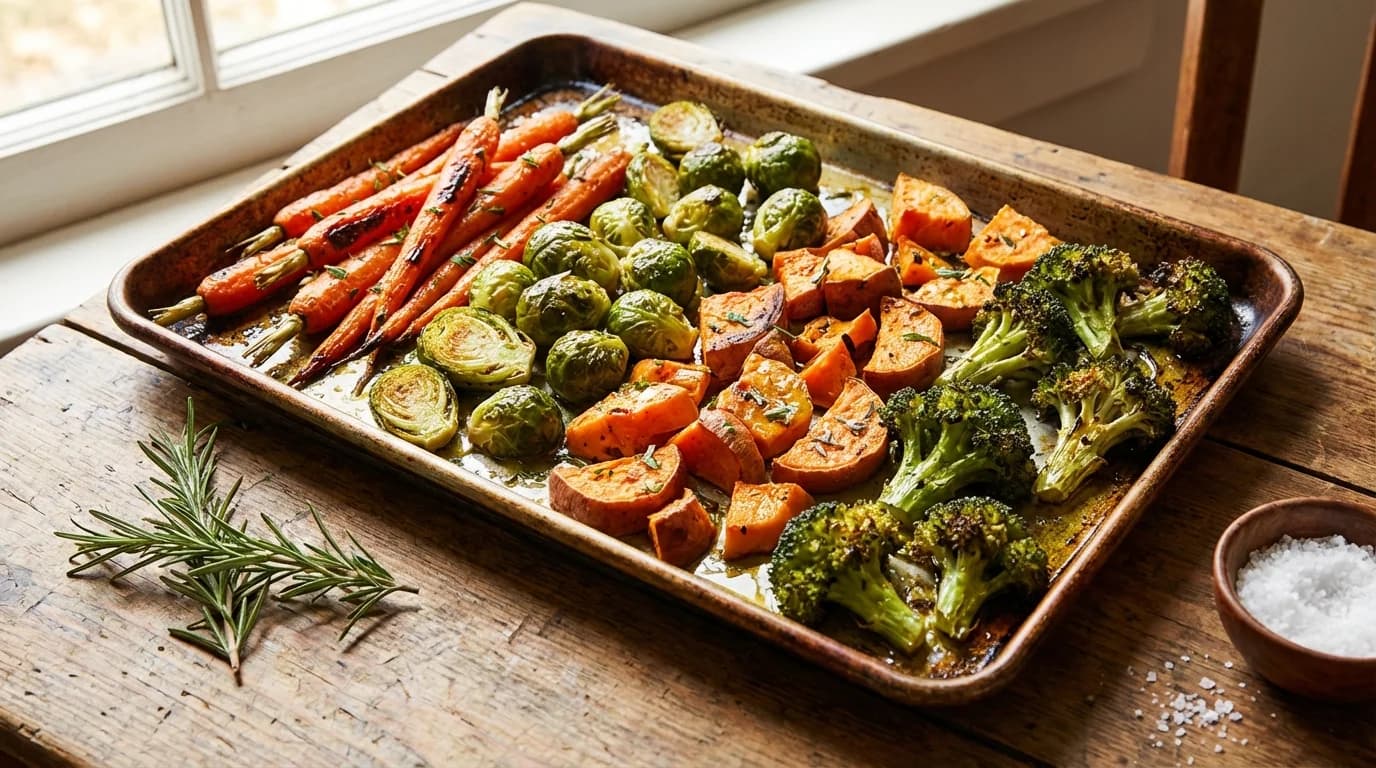
The Ultimate Guide to Roasting Vegetables Perfectly Every Time
Roasting transforms ordinary vegetables into extraordinary side dishes with crispy exteriors, tender interiors, and deep caramelized flavors that bring out their natural sweetness. Yet many home cooks end up with mushy, bland, or unevenly cooked vegetables. This comprehensive guide will teach you the science and techniques behind perfect roasting, ensuring restaurant-quality results every single time.
Why Roasting Works: The Science
Roasting uses dry heat (typically 400-450°F) to trigger two important reactions:
Caramelization: The natural sugars in vegetables brown when exposed to high heat, creating complex, sweet flavors and appealing color.
Maillard reaction: Amino acids and sugars react under heat to create savory, umami-rich flavors and crispy textures.
These reactions only occur when the vegetable surface reaches approximately 300°F, which is why proper technique—especially avoiding overcrowding—is crucial.
The Golden Rules of Vegetable Roasting
Rule 1: High Heat
Most vegetables roast best at 425-450°F. This high temperature:
- Evaporates surface moisture quickly, allowing browning
- Creates crispy exteriors while keeping interiors tender
- Reduces cooking time, preserving nutrients and texture
Lower temperatures (below 400°F) often result in steaming rather than roasting, producing softer, less flavorful vegetables.
Rule 2: Don't Overcrowd the Pan
This is the most common mistake. Overcrowding causes vegetables to:
- Steam in their own moisture instead of browning
- Cook unevenly
- Become soggy instead of crispy
Leave at least 1/4 inch of space between vegetable pieces. Use multiple pans if necessary—the results are worth it.
Rule 3: Use Enough Fat
Fat conducts heat, promotes browning, and carries flavor. Use 1-2 tablespoons of oil per pound of vegetables. Best choices:
- Olive oil (everyday roasting)
- Avocado oil (highest smoke point, 520°F)
- Grapeseed oil (neutral flavor, 420°F smoke point)
- Melted butter (adds richness, lower smoke point)
Rule 4: Cut Uniformly
Consistent sizes ensure even cooking. A general guide:
- Root vegetables: 3/4 to 1-inch pieces
- Tender vegetables (zucchini, peppers): 1 to 1.5-inch pieces
- Dense vegetables (Brussels sprouts, cauliflower): halved or quartered depending on size
Rule 5: Season Generously
Vegetables need more seasoning than you think. At minimum, use:
- 1 teaspoon kosher salt per pound of vegetables
- Fresh cracked black pepper
- Additional spices or herbs as desired
Salt draws out moisture initially but helps concentrate flavors as it roasts.
The Perfect Roasting Method: Step-by-Step
Step 1: Prep Your Vegetables
- Wash and dry vegetables thoroughly—water prevents browning
- Cut into uniform pieces according to vegetable type (see size guide below)
- For extra-crispy results, pat dry with paper towels or let air dry for 15-30 minutes
Step 2: Preheat Your Pan
Place your baking sheet in the oven while it preheats to 425°F. This hot pan jumpstarts caramelization when vegetables hit the surface, creating better browning.
Alternatively, preheat your oven with the empty pan, then add vegetables to the hot surface.
Step 3: Toss with Oil and Seasonings
In a large bowl:
- Combine vegetables with oil, ensuring even coating
- Add salt, pepper, and any spices
- Toss thoroughly with your hands or tongs
Getting oil on every surface is key to even browning.
Step 4: Arrange on Baking Sheet
- Use rimmed baking sheets (half-sheet pans are ideal)
- Arrange vegetables in a single layer with space between pieces
- For vegetables with flat sides (Brussels sprouts, broccoli), place cut side down for maximum caramelization
Step 5: Roast and Flip
- Roast for the appropriate time (see vegetable guide below)
- Flip or stir halfway through cooking
- Check for doneness 5 minutes before the suggested time
Vegetables are done when:
- Edges are golden brown and crispy
- Centers are tender when pierced with a fork
- They have shrunk slightly and caramelized
Step 6: Finish and Serve
Remove from oven and:
- Taste and adjust seasoning while hot
- Add fresh herbs, lemon juice, or finishing touches
- Serve immediately for best texture
Vegetable-Specific Roasting Guide
Root Vegetables (Potatoes, Carrots, Parsnips, Beets)
Temperature: 425-450°F Cut size: 3/4 to 1-inch pieces Time: 30-40 minutes Special tips:
- Parboil potatoes for 5 minutes before roasting for extra-crispy results
- Toss with cornstarch or flour before oiling for maximum crispiness
- Keep beets separate—they bleed color onto other vegetables
Cruciferous Vegetables (Broccoli, Cauliflower, Brussels Sprouts)
Temperature: 425-450°F Cut size: Florets or halves Time: 20-30 minutes Special tips:
- Cut Brussels sprouts in half and place cut-side down
- Separate broccoli and cauliflower into florets with some stem
- Higher heat (450°F) creates better caramelization on these vegetables
Squash and Pumpkin
Temperature: 400-425°F Cut size: 1-inch cubes or wedges Time: 25-35 minutes Special tips:
- Winter squash benefits from slightly lower heat to prevent burning before cooking through
- Don't peel delicata squash—the skin is edible
- Brush with maple syrup or honey in the last 5 minutes for extra caramelization
Alliums (Onions, Shallots, Garlic)
Temperature: 400-425°F Cut size: Wedges or thick slices Time: 25-35 minutes Special tips:
- Keep some layers together—they hold their shape better
- Separate into petals for crispy, chip-like results
- Add whole garlic cloves (skin on) to any roasting pan for bonus roasted garlic
Tender Vegetables (Zucchini, Bell Peppers, Tomatoes, Asparagus)
Temperature: 425-450°F Cut size: 1-1.5 inch pieces (asparagus whole) Time: 15-20 minutes Special tips:
- These vegetables have high water content—use higher heat and don't flip too early
- Cut zucchini into half-moons or spears rather than rounds
- Asparagus should be in a single layer, not touching
Mushrooms
Temperature: 425-450°F Cut size: Whole (small) or halved (large) Time: 20-25 minutes Special tips:
- Don't wash mushrooms—wipe with a damp paper towel
- They release a lot of moisture initially; resist stirring until it evaporates
- Higher heat is essential for mushrooms to brown properly
Seasoning and Flavor Combinations
Classic Combinations
Mediterranean: Olive oil, garlic, oregano, lemon zest, feta cheese (added after roasting)
Italian: Olive oil, rosemary, thyme, Parmesan cheese, balsamic vinegar drizzle
Asian-Inspired: Sesame oil, ginger, garlic, soy sauce, sesame seeds
Spicy: Olive oil, smoked paprika, cayenne, cumin, lime juice
Herb-Roasted: Butter, fresh thyme, rosemary, sage, garlic
Sweet and Savory: Maple syrup, cinnamon, nutmeg (especially good for squash and carrots)
When to Add Seasonings
Before roasting: Salt, pepper, hardy herbs (rosemary, thyme), spices (cumin, paprika, curry powder)
After roasting: Delicate herbs (parsley, cilantro, basil), citrus juice, vinegar, grated cheese, nuts
Hardy herbs can withstand roasting heat, while delicate herbs burn. Similarly, acid (lemon, vinegar) brightens flavors best when added at the end.
Common Roasting Mistakes to Avoid
Mistake 1: Not Preheating the Oven
A properly preheated oven ensures consistent temperature from the start. Place vegetables in a cold oven, and they'll steam instead of roast while waiting for the oven to heat up.
Mistake 2: Using Wet Vegetables
Water creates steam, preventing browning. Always dry vegetables thoroughly after washing, especially leafy greens and mushrooms.
Mistake 3: Opening the Oven Door Too Often
Each time you open the door, the temperature drops 50-75°F. Check vegetables once at the halfway point to flip them, and only peek again near the expected finish time.
Mistake 4: Not Adjusting for Your Oven
Ovens vary significantly. If your vegetables consistently burn or undercook at the recommended temperature, adjust by 25°F and note it for future reference.
Mistake 5: Mixing Vegetables with Different Cook Times
Dense root vegetables take twice as long as tender asparagus. Either:
- Roast separately
- Add quick-cooking vegetables halfway through
- Cut dense vegetables smaller so everything finishes simultaneously
Roasting Multiple Vegetables Together
To successfully roast a medley:
Option 1: Stagger the Start Times
- Start dense vegetables (potatoes, carrots) first
- Add medium-density vegetables (Brussels sprouts, cauliflower) 10-15 minutes later
- Add quick-cooking vegetables (asparagus, bell peppers) in the final 15 minutes
Option 2: Adjust Cutting Sizes
- Cut dense vegetables smaller (3/4-inch)
- Cut medium vegetables standard size (1-inch)
- Cut quick-cooking vegetables larger (1.5-inch)
This helps everything finish at the same time.
Achieving Extra-Crispy Results
For restaurant-level crispiness:
- Toss with cornstarch: Add 1 tablespoon cornstarch per pound of vegetables before oiling
- Use convection: Convection ovens circulate air, promoting faster, more even browning
- Finish under the broiler: Broil for 2-3 minutes after roasting for extra char
- Don't flip: For maximum crispiness on one side, don't flip at all—just let the bottom caramelize
Meal Prep with Roasted Vegetables
Roasted vegetables are excellent for meal prep:
Storage: Keep in airtight containers in the refrigerator for up to 5 days
Reheating: Reheat in a 375°F oven for 10-15 minutes to restore some crispiness, or use in recipes where texture is less critical
Uses:
- Grain bowls and salads
- Pasta dishes
- Quick lunch ideas
- Sheet pan dinners
- Blended into soups
Troubleshooting Common Problems
Vegetables are browning too quickly: Lower oven temperature by 25°F or move the pan to a higher rack position
Vegetables are soft but not browned: Increase oven temperature, ensure vegetables are dry, and don't overcrowd
Uneven cooking: Cut vegetables more uniformly and rotate the pan halfway through cooking
Vegetables are sticking to the pan: Use more oil, parchment paper, or a well-seasoned pan
Vegetables taste bland: Use more salt (vegetables need generous seasoning) and add finishing flavors like lemon juice or fresh herbs
Conclusion
Perfect roasted vegetables come down to mastering a few key principles: high heat, proper spacing, adequate fat, and appropriate timing for each vegetable type. Once you understand these fundamentals, roasting becomes one of the easiest and most versatile cooking techniques in your arsenal.
Start with simple combinations—roasted carrots with olive oil, salt, and pepper—and build confidence before attempting elaborate medleys. Pay attention to how your specific oven performs and adjust accordingly. With practice, you'll develop an intuitive sense for timing and temperature, making roasted vegetables a reliable weeknight staple and an impressive side dish for entertaining.
Whether you're preparing budget-friendly meals or cooking for a special occasion, properly roasted vegetables elevate any plate with minimal effort and maximum flavor impact.
About myrecipe
myrecipe helps families save, organize, and share their favorite recipes in one place. Plan meals, create shopping lists, and preserve your culinary traditions.
Start Organizing Recipes