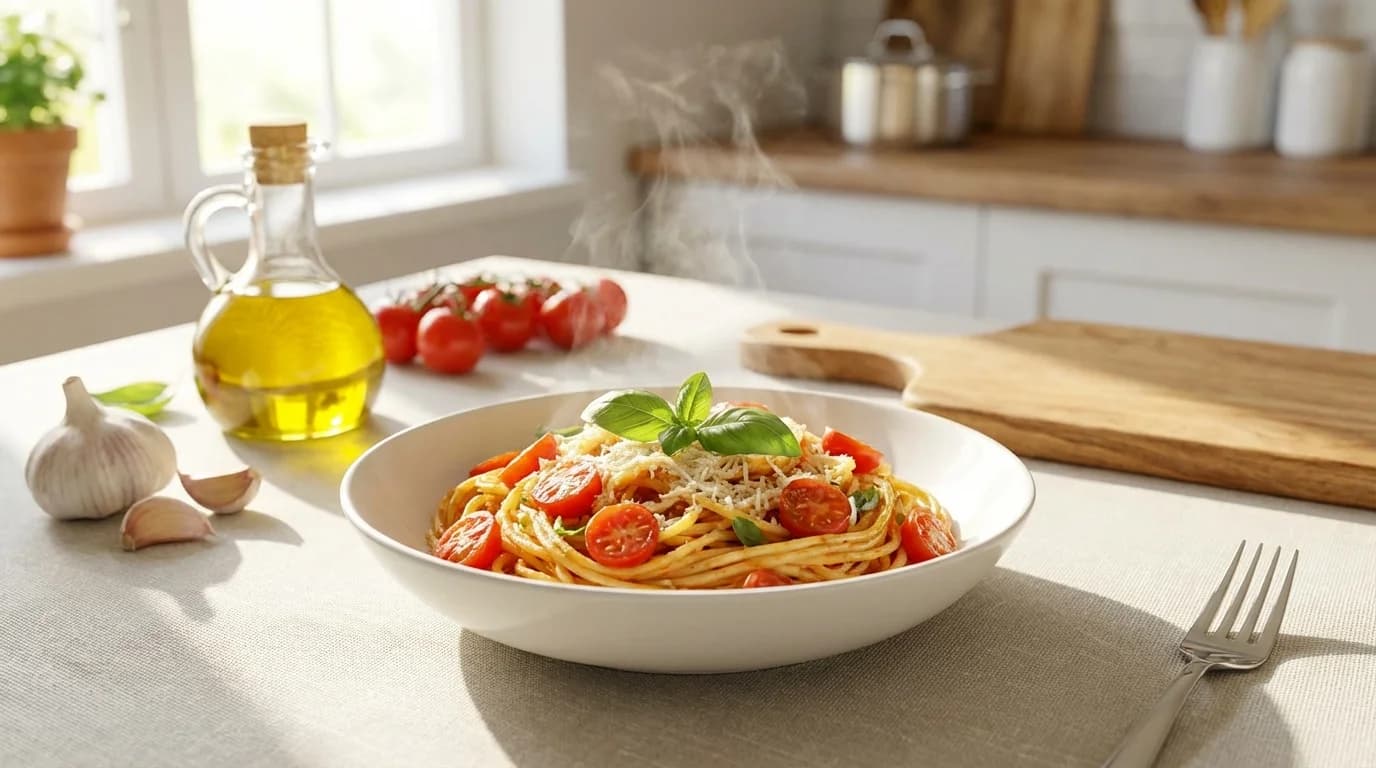
Italian pasta is deceptively simple. With just a handful of quality ingredients and proper technique, you can create dishes that rival any restaurant. The secret isn't complexity - it's understanding how Italians approach their beloved pasta traditions.
The Philosophy of Italian Pasta
In Italy, pasta isn't just food; it's a cultural cornerstone. Each region has signature dishes, and families guard their recipes jealously. What unites all authentic Italian pasta is a commitment to simplicity, quality ingredients, and respect for tradition.
Italian cooks don't drown pasta in heavy sauces. Instead, they create harmony between pasta and sauce, allowing each element to shine. The pasta should be perfectly cooked - al dente - and the sauce should coat, not overwhelm.
Essential Ingredients for Authentic Results
The Pantry Basics
Stock these staples for authentic Italian cooking:
- Pasta: De Cecco, Barilla, or Rustichella d'Abruzzo for dried; fresh egg pasta for special occasions
- Olive oil: Extra virgin, preferably Italian
- Parmigiano-Reggiano: Real Parmesan from Parma, not pre-grated substitutes
- Pecorino Romano: Sharp sheep's milk cheese, essential for Roman classics
- San Marzano tomatoes: DOP certified for the best flavor
- Garlic: Fresh cloves, never jarred
- Fresh herbs: Basil, parsley (flat-leaf), oregano
- Pasta water: The starchy liquid is crucial for binding sauces
Quality Matters
Italians will tell you that great ingredients make great pasta. You can't fix mediocre tomatoes or stale cheese with technique. Invest in quality where it counts: cheese, olive oil, and canned tomatoes.
Pasta Cooking Fundamentals
Before diving into specific dishes, master these universal techniques:
The Perfect Pot of Pasta
- Use plenty of water: At least 4 quarts per pound of pasta
- Salt generously: The water should taste like the sea (about 2 tablespoons salt per 4 quarts)
- Don't add oil: It prevents sauce from adhering
- Stir occasionally: Especially in the first 2 minutes to prevent sticking
- Cook al dente: Firm to the bite, usually 1-2 minutes less than package directions
- Reserve pasta water: Always save a cup before draining
The Pasta Water Secret
Starchy pasta water is liquid gold. It emulsifies sauces, adjusts consistency, and helps everything cling to the pasta. Never skip this step in authentic Italian recipes.
Cacio e Pepe: The Three-Ingredient Masterpiece
This Roman classic proves that simplicity is sophistication. With just pasta, Pecorino Romano, and black pepper, you create silky magic.
Ingredients
- 1 pound spaghetti or tonnarelli
- 2 cups finely grated Pecorino Romano
- 2 tablespoons freshly ground black pepper
- Salt for pasta water
Method
- Toast pepper in a dry skillet until fragrant
- Cook pasta in well-salted water until al dente
- Reserve 2 cups pasta water
- In a large bowl, whisk cheese with 1 cup warm pasta water to create a smooth paste
- Add hot, drained pasta to the bowl
- Toss vigorously, adding more pasta water as needed to create a creamy sauce
- Add toasted pepper and serve immediately
The trick: Temperature control. If it's too hot, the cheese clumps. Too cold, and it won't melt. Work quickly and use enough pasta water to achieve a glossy, creamy consistency.
Carbonara: Eggs, Guanciale, and Perfection
Authentic carbonara contains no cream, peas, or chicken. It's a precise combination of guanciale (cured pork jowl), eggs, Pecorino Romano, and black pepper.
Ingredients
- 1 pound spaghetti or rigatoni
- 6 ounces guanciale (or pancetta if unavailable)
- 4 large egg yolks plus 1 whole egg
- 1 cup grated Pecorino Romano
- Freshly ground black pepper
- Salt for pasta water
Method
- Cut guanciale into small strips and cook in a skillet until crispy
- While pasta cooks, whisk eggs and cheese together in a large bowl
- Add lots of black pepper to the egg mixture
- Reserve pasta water and drain pasta
- Add hot pasta to the bowl with eggs (remove from heat)
- Toss vigorously, adding pasta water to create a creamy sauce
- Add crispy guanciale and toss again
- Serve immediately with extra cheese and pepper
The challenge: Creating a creamy sauce without scrambling the eggs. The residual heat from the pasta cooks the eggs gently. If needed, place the bowl over the warm (not hot) pasta pot while tossing.
Amatriciana: The Tomato-Guanciale Classic
Another Roman treasure, Amatriciana combines tomatoes with guanciale for a rich, porky sauce.
Ingredients
- 1 pound bucatini or rigatoni
- 6 ounces guanciale
- 1 can (28 oz) San Marzano tomatoes, crushed by hand
- 1/2 cup white wine
- 1 teaspoon red pepper flakes
- Pecorino Romano for finishing
Method
- Render guanciale until golden and crispy
- Remove meat, add pepper flakes and wine to the fat
- Let wine reduce by half
- Add tomatoes and simmer for 20 minutes
- Return guanciale to sauce
- Toss with cooked pasta and pasta water
- Finish with grated Pecorino
This dish works wonderfully for meal prep on a budget, as it reheats beautifully and uses affordable ingredients.
Aglio e Olio: Midnight Pasta
When the cupboard is bare, this Neapolitan classic saves the day. It's traditionally eaten at midnight after a night out - simple, satisfying, and quick.
Ingredients
- 1 pound spaghetti
- 1/2 cup extra virgin olive oil
- 8 cloves garlic, thinly sliced
- 1 teaspoon red pepper flakes
- Fresh parsley, chopped
- Salt
Method
- Cook pasta in salted water
- While pasta cooks, gently heat oil with garlic in a large skillet
- Cook garlic until golden (don't burn it)
- Add pepper flakes
- Add drained pasta and pasta water to skillet
- Toss everything together over low heat
- Add parsley and serve
Variation: Add breadcrumbs toasted in olive oil for texture, or anchovies for umami depth.
Puttanesca: Bold and Briny
This Neapolitan sauce is assertive and quick - perfect for quick weeknight dinners.
Ingredients
- 1 pound spaghetti
- 1/4 cup olive oil
- 4 anchovy fillets
- 4 cloves garlic, minced
- 1 can (28 oz) San Marzano tomatoes
- 1/2 cup Kalamata olives, pitted and halved
- 3 tablespoons capers
- 1 teaspoon red pepper flakes
- Fresh parsley
Method
- Heat olive oil with anchovies until they dissolve
- Add garlic and cook until fragrant
- Add tomatoes, olives, capers, and pepper flakes
- Simmer for 15 minutes
- Toss with pasta and pasta water
- Finish with fresh parsley
The name translates roughly to "in the style of a prostitute" - supposedly because it's quick, cheap, and satisfying.
Pasta al Pomodoro: Simple Tomato Sauce
The foundation of countless Italian dishes, a perfect pomodoro sauce is all about technique.
The Classic Method
- Heat olive oil in a pan with whole garlic cloves
- Add crushed San Marzano tomatoes
- Season with salt
- Simmer for 20-30 minutes, stirring occasionally
- Remove garlic
- Tear fresh basil leaves into the sauce
- Toss with pasta and finish with Parmigiano-Reggiano
The secret: Don't overcook. A fresh tomato sauce should still taste bright and slightly acidic. Overcooking makes it dull and flat.
Pasta alla Norma: Sicilian Eggplant Delight
Sicily's gift to pasta lovers combines fried eggplant with tomato sauce.
Ingredients
- 1 pound rigatoni or penne
- 1 large eggplant, cubed
- Olive oil for frying
- 2 cups tomato sauce
- Fresh basil
- Ricotta salata, grated
Method
- Salt eggplant cubes and let drain for 30 minutes
- Pat dry and fry in olive oil until golden
- Drain on paper towels
- Heat tomato sauce
- Toss pasta with sauce and eggplant
- Finish with basil and ricotta salata
This dish showcases how easy pasta recipes can still deliver restaurant-quality results.
Pasta e Fagioli: Hearty Bean and Pasta Soup
More of a thick stew than soup, this peasant dish is comfort in a bowl.
Ingredients
- 8 ounces ditalini or small tube pasta
- 2 cans cannellini beans
- 4 cups chicken or vegetable broth
- 1 can San Marzano tomatoes
- Pancetta or bacon
- Onion, carrot, celery (soffritto)
- Rosemary and bay leaf
- Parmigiano rind (if available)
Method
- Cook pancetta until crispy, remove
- Sauté soffritto in the rendered fat
- Add tomatoes, beans, broth, herbs, and Parmigiano rind
- Simmer 30 minutes
- Add pasta and cook until tender
- The starch from the pasta will thicken the soup
- Return pancetta and serve with olive oil drizzle and Parmigiano
This is perfect for cheap soup recipes that feed a crowd.
Fresh Pasta: Taking It to the Next Level
While dried pasta is traditional for many dishes, fresh pasta is essential for others.
Basic Egg Pasta Dough
- 2 cups 00 flour (or all-purpose)
- 3 large eggs
- Pinch of salt
Form a well, add eggs, and work into a smooth dough. Knead 10 minutes, rest 30 minutes, then roll and cut.
When to use fresh: Fettuccine Alfredo, tagliatelle with ragù, ravioli, lasagna
When to use dried: Cacio e pepe, carbonara, aglio e olio, puttanesca
Regional Variations Worth Exploring
Liguria: Trofie with pesto Genovese Emilia-Romagna: Tagliatelle al ragù (Bolognese) Campania: Spaghetti alle vongole (clams) Lazio: Gricia (like carbonara without eggs) Sicily: Pasta con le sarde (sardines)
Each region has distinct flavors and techniques, reflecting local ingredients and traditions.
Common Mistakes and How to Avoid Them
Overcooking pasta: Always taste 2 minutes before the package time. Pasta continues cooking when tossed with sauce.
Rinsing pasta: Never rinse unless making a cold pasta salad. The starch helps sauce adhere.
Adding sauce to pasta: Instead, add pasta to sauce (or toss together in a bowl). This ensures even coating.
Too little pasta water: Save more than you think you need. You can always discard excess.
Wrong cheese: Pecorino and Parmigiano aren't interchangeable. Use what the recipe calls for.
Pairing Pasta Shapes with Sauces
The shape matters:
- Long, thin pasta (spaghetti, linguine): Oil-based sauces, light tomato sauces
- Tube pasta (rigatoni, penne): Chunky sauces, baked dishes
- Shaped pasta (farfalle, orecchiette): Sauces with small pieces of vegetables or meat
- Fresh ribbon pasta (fettuccine, pappardelle): Rich, creamy, or meaty sauces
Making Italian Pasta Work for You
Italian pasta dishes are naturally suited to home cooking. Most require just a few ingredients and come together quickly. They're perfect for easy dinner ideas that don't sacrifice quality for convenience.
Many pasta dishes also scale beautifully. Double a recipe and you have lunches for the week, making them ideal for meal prep for beginners.
Conclusion
Authentic Italian pasta isn't about complicated techniques or hard-to-find ingredients. It's about respecting simplicity, using quality ingredients, and understanding a few key principles: generous salting, al dente pasta, the magic of pasta water, and the harmony between pasta and sauce.
Start with one classic dish - perhaps aglio e olio or cacio e pepe - and master it. Once you understand how pasta water creates creamy emulsions and how to achieve al dente perfection, you can tackle any Italian pasta dish with confidence.
The beauty of Italian cooking is that it rewards both precision and intuition. Follow the guidelines, but don't be afraid to taste, adjust, and make each dish your own. After all, that's what Italian grandmothers have been doing for generations.
Buon appetito!
About myrecipe
myrecipe helps families save, organize, and share their favorite recipes in one place. Plan meals, create shopping lists, and preserve your culinary traditions.
Start Organizing Recipes