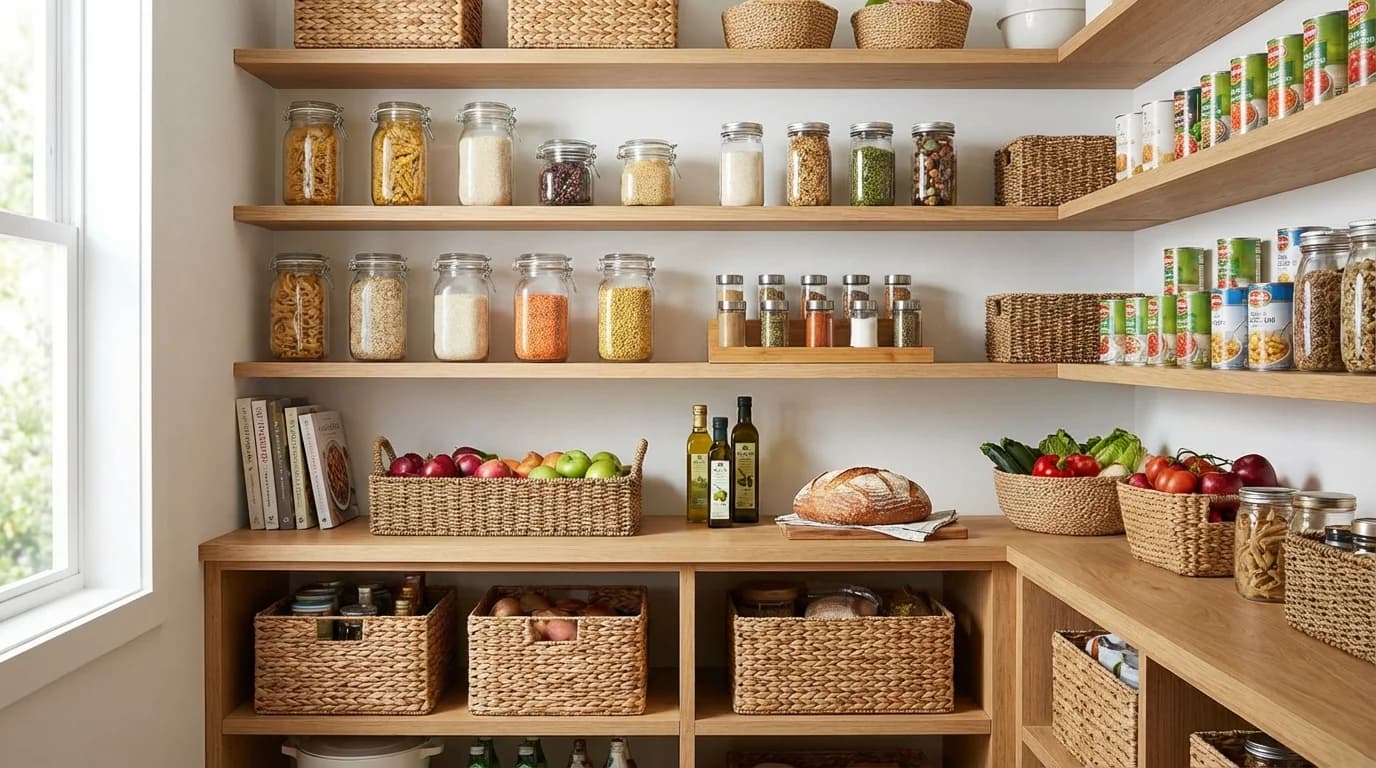
How to Stock a Pantry: The Essential Guide for Home Cooks
A well-stocked pantry is the secret weapon of efficient home cooks. It's the difference between "I have nothing to eat" and whipping up a delicious meal in 20 minutes using what you already have.
Whether you're stocking a pantry from scratch, moving into your first home, or simply want to upgrade your current supply, this comprehensive guide provides everything you need: essential ingredients, quantities, storage methods, and budget-friendly strategies.
Why a Well-Stocked Pantry Matters
The Benefits:
Save money: Fewer emergency grocery runs and takeout orders Save time: Quick meals from pantry ingredients Reduce stress: Always have meal options available Enable creativity: Experiment without special shopping trips Emergency preparedness: Ready for unexpected situations Better nutrition: Healthy cooking beats convenience food
What "Well-Stocked" Means:
A well-stocked pantry doesn't mean having every ingredient imaginable. It means having:
- Core staples that store long-term
- Ingredients for quick, versatile meals
- Items you actually use regularly
- Properly organized and rotated stock
- Appropriate quantities for your household
Before You Shop: Pantry Preparation
Step 1: Clean and Organize
Before adding new items, prepare your space:
- Empty pantry completely: See what you have
- Check expiration dates: Toss expired items
- Clean shelves thoroughly: Wipe down all surfaces
- Plan organization system: Zones by category
- Get organizing supplies: Bins, labels, shelf risers
Full guide: Pantry organization on a budget
Step 2: Assess Your Needs
Consider:
- Household size (cooking for 1 or family of 6?)
- Cooking frequency (daily meals vs. occasional)
- Dietary preferences (vegan, gluten-free, etc.)
- Storage space available
- Budget for initial stock-up
- Cuisine preferences (Italian, Asian, Mexican?)
Step 3: Take Inventory
Make list of:
- What you already have
- What's expired or stale
- What you use most
- What you never use (don't replace)
- Gaps in your current stock
The Essential Pantry List
Category 1: Grains & Pasta
Essential items:
Rice (2-5 lbs):
- White rice: Quick-cooking, versatile
- Brown rice: Healthier option, longer cook time
- Choose one or both based on preference
Pasta (3-5 boxes):
- Spaghetti or linguine: Long pasta
- Penne or rotini: Short pasta shapes
- Variety of shapes for different dishes
Oats (1 large container):
- Old-fashioned or quick oats
- Breakfast and baking
Quinoa (1-2 lbs, optional):
- Protein-rich grain alternative
- Cooks faster than rice
Other grains (optional):
- Couscous: 5-minute side dish
- Barley: Soups and stews
- Farro: Salads and bowls
Storage:
- Airtight containers prevent bugs
- Label with purchase date
- Store in cool, dry location
Shelf life: 1-2 years in proper storage
Budget for category: $15-30
Category 2: Canned Goods
Essential items:
Tomatoes (6-8 cans):
- Diced tomatoes (3-4 cans): Sauces, soups, chili
- Crushed tomatoes (2-3 cans): Pizza sauce, pasta sauce
- Tomato paste (1-2 small cans): Flavor concentrate
Beans (6-8 cans):
- Black beans (2 cans): Mexican dishes, bowls
- Chickpeas (2 cans): Hummus, curry, salads
- Kidney beans (2 cans): Chili, soup
- White/navy beans (2 cans): Soup, Italian dishes
Broth/Stock (4-6 containers):
- Chicken broth (3 containers): Most versatile
- Vegetable broth (2 containers): Vegetarian option
- Beef broth (1 container, optional)
Vegetables (4-6 cans):
- Corn (2 cans): Side dish, chili, salads
- Green beans (2 cans): Quick vegetable side
- Pumpkin puree (1-2 cans): Fall baking
Tuna/Salmon (4-6 cans):
- Quick protein for salads, sandwiches, pasta
Coconut milk (2-3 cans):
- Curries, Thai dishes, smoothies
Storage:
- Rotate stock (oldest in front)
- Check for dents or damage
- Store in cool, dry place
Shelf life: 2-5 years unopened
Budget for category: $25-40
Category 3: Baking Essentials
Essential items:
Flour (5 lbs):
- All-purpose flour: Most versatile
Sugar (5 lbs white, 2 lbs brown):
- White granulated: Baking, sweetening
- Brown sugar: Baking, sauces
Baking powder & baking soda:
- Small containers of each
- Check expiration (lose potency)
Vanilla extract (1 bottle):
- Pure vanilla preferred
- Imitation works for budget
Cornstarch (1 box):
- Thickening agent
- Also for baking
Chocolate chips (1-2 bags):
- Baking and snacking
Cocoa powder (1 container, optional):
- Baking, hot chocolate
Yeast (1 jar, if you bake bread):
- Active dry or instant
- Store in fridge after opening
Storage:
- Flour in airtight container (bugs!)
- Sugar in sealed container (moisture)
- Cool, dry location
- Check baking powder/soda dates
Shelf life:
- Flour: 6-8 months (pantry), 1 year (fridge)
- Sugar: Indefinite
- Baking powder/soda: 6-12 months
Budget for category: $20-30
Category 4: Oils & Vinegars
Essential items:
Cooking oils:
- Olive oil (1 bottle): Medium-heat cooking, dressings
- Vegetable/canola oil (1 bottle): High-heat cooking, baking
- Cooking spray: Non-stick alternative
Vinegars:
- White vinegar (1 bottle): Cleaning, pickling, cooking
- Apple cider vinegar (1 bottle): Dressings, marinades
- Balsamic vinegar (1 bottle, optional): Specialty dressings
Specialty oils (optional):
- Sesame oil: Asian cooking
- Coconut oil: Baking, certain cuisines
Storage:
- Cool, dark location
- Olive oil away from heat (degrades)
- Tightly sealed bottles
Shelf life:
- Oils: 6-12 months opened
- Vinegars: Indefinite
Budget for category: $15-25
Category 5: Condiments & Sauces
Essential items:
Basic condiments:
- Ketchup
- Mustard (yellow, Dijon)
- Mayonnaise
- Hot sauce
- Soy sauce
- Worcestershire sauce
Salad dressings:
- Ranch or Italian (family favorite)
- Or ingredients to make your own
Pasta sauce (2-3 jars):
- Quick dinner option
- Pizza sauce
Peanut butter (1 jar):
- Sandwiches, snacks, Asian dishes
Jam/Jelly (1-2 jars):
- Breakfast, PB&J
Honey (1 bottle):
- Sweetener, cooking, tea
Maple syrup (1 bottle):
- Breakfast, baking
Salsa (1-2 jars):
- Snacking, Mexican dishes
Storage:
- Most require refrigeration after opening
- Check labels for storage instructions
- Door of fridge for easy access
Shelf life:
- Unopened: 1-2 years
- Opened: 2-6 months refrigerated
Budget for category: $25-40
Category 6: Spices & Seasonings
Essential spices:
Everyday seasonings:
- Salt (kosher and iodized)
- Black pepper (whole peppercorns + grinder preferred)
- Garlic powder
- Onion powder
- Paprika
- Red pepper flakes
Herbs:
- Basil
- Oregano
- Thyme
- Rosemary
- Parsley
- Bay leaves
Warm spices:
- Cinnamon
- Cumin
- Chili powder
- Curry powder (if you make curry)
Blends:
- Italian seasoning
- Everything bagel seasoning (trendy, optional)
- Taco seasoning (or make your own)
Full organization guide: Spice cabinet organization
Storage:
- Cool, dark location away from stove
- Airtight containers
- Label with purchase date
Shelf life:
- Ground spices: 2-3 years
- Whole spices: 3-4 years
- Dried herbs: 1-2 years
Budget for category: $30-50 (buy gradually)
Category 7: Nuts, Seeds & Dried Fruit
Essential items:
Nuts:
- Almonds: Snacking, baking
- Walnuts: Baking, salads
- Peanuts: Snacking, cooking
Seeds:
- Chia seeds: Smoothies, baking
- Flaxseed: Nutrition boost
Dried fruit:
- Raisins: Baking, oatmeal, snacking
- Dates: Natural sweetener, energy bites
Storage:
- Airtight containers
- Refrigerator or freezer (prevent rancidity)
- Especially important in warm climates
Shelf life:
- Pantry: 3-4 months
- Refrigerator: 6-9 months
- Freezer: 1-2 years
Budget for category: $15-25
Category 8: Breakfast Items
Essential items:
Cereal (2-3 boxes):
- Family favorites
- Variety for weekdays
Oatmeal: (covered in grains)
Pancake/waffle mix (1 box):
- Quick weekend breakfast
Coffee/Tea:
- Based on household consumption
- Coffee beans or grounds
- Tea bags variety
Storage:
- Cereal in airtight containers (stays fresh)
- Coffee in airtight container, cool location
- Tea in dry location
Budget for category: $20-30
Category 9: Baking Mixes & Convenience
Optional but handy:
Boxed mixes:
- Brownie mix: Quick dessert
- Cake mix: Birthday emergencies
- Muffin mix: Easy breakfast
- Cornbread mix: Quick side
Instant meals:
- Mac and cheese (2-3 boxes): Quick kid meals
- Instant rice: Faster than regular
- Instant oatmeal: Grab-and-go breakfast
Crackers (2-3 boxes):
- Snacking, soups, cheese
Storage:
- Cool, dry location
- Check expiration dates
- Rotate stock
Budget for category: $15-25
Pantry Stocking Strategy
Option 1: All at Once
Pros:
- Complete pantry immediately
- Take advantage of sales
- One shopping trip
Cons:
- Large upfront cost ($200-400)
- Overwhelming
- May buy items you don't need
Best for: New homes, empty pantries, good budget
Option 2: Gradual Build-Up
Pros:
- Spread out costs
- Buy only what you'll use
- Learn as you go
- More manageable
Cons:
- Takes weeks/months
- Incomplete initially
- May miss coordinated sales
Best for: Tight budgets, existing partial stock
Gradual plan:
- Week 1: Grains, pasta, rice ($15-20)
- Week 2: Canned goods ($25-30)
- Week 3: Baking essentials ($20-25)
- Week 4: Oils, vinegars, condiments ($30-35)
- Week 5: Spices (ongoing) ($15-20)
- Weeks 6-8: Fill in gaps and specialty items
Option 3: Category-by-Category
Approach:
- Complete one category fully before moving to next
- Organize as you go
Example:
- Month 1: All grains and pasta
- Month 2: All canned goods
- Month 3: All baking supplies
- Month 4: All condiments and sauces
Best for: Organized personalities, moderate budgets
Budget Considerations
Initial Investment by Tier:
Basic pantry ($150-200):
- Absolute essentials only
- Store brands
- Smaller quantities
- Skip specialty items
Standard pantry ($250-350):
- All essential categories
- Mix of brands
- Appropriate quantities
- Some specialty items
Complete pantry ($400-600):
- Full category coverage
- Quality brands
- Larger quantities
- Specialty and ethnic ingredients
Money-Saving Strategies:
1. Buy in bulk (for frequently used items):
- Rice, flour, sugar
- Oats
- Oils
- Only if you'll use it before expiration
2. Use coupons and sales:
- Stock up on non-perishables on sale
- Use store loyalty programs
- Stack manufacturer and store coupons
3. Choose store brands:
- Often identical to name brands
- Save 20-40%
- Especially for basics (flour, sugar, canned goods)
4. Avoid single-use items:
- Buy versatile ingredients
- Skip specialty gadgets
- Make your own mixes (taco seasoning, ranch dressing)
5. Shop discount grocers:
- Aldi, Lidl, grocery outlets
- Significant savings on pantry staples
6. Consider ethnic markets:
- Better prices on rice, spices, sauces
- Larger quantities
- Authentic ingredients
Storage and Organization
Zone Your Pantry:
Baking zone: Flour, sugar, baking powder, chocolate chips Breakfast zone: Cereal, oatmeal, pancake mix, coffee Canned goods zone: All canned items, organized by type Grains & pasta zone: Rice, pasta, quinoa Snack zone: Crackers, nuts, dried fruit Condiments zone: Oils, vinegars, sauces
Full organization system: Pantry organization ideas
Container Recommendations:
Dry goods (flour, sugar, rice):
- Large airtight containers
- OXO Pop containers or similar
- Clear to see contents
- Labeled with contents and dates
Pasta:
- Tall containers or keep in boxes
- Grouped by shape
Canned goods:
- Can racks or risers
- Organize by type
- Labels facing forward
Spices:
- Small uniform jars or original containers
- Organized alphabetically or by use
- Away from heat and light
Cost: $30-60 for basic container set
Rotation System:
FIFO method (First In, First Out):
- New items go to back
- Old items move forward
- Use front items first
- Check dates monthly
Labeling:
- Write purchase date on items
- Mark expiration dates clearly
- Use oldest first
Maintenance Routine
Weekly (5 minutes):
- Quick visual scan
- Make shopping list for depleted items
- Check what's running low
Monthly (15 minutes):
- Check expiration dates
- Wipe up any spills
- Reorganize if needed
- Update inventory
Quarterly (30 minutes):
- Deep clean shelves
- Full inventory assessment
- Donate near-expiry items you won't use
- Refresh organization system
Annually (1-2 hours):
- Complete purge
- Deep clean entire pantry
- Reassess stocking needs
- Replace organizing supplies if needed
Adjusting for Dietary Needs
Gluten-Free Pantry:
Replace/add:
- Gluten-free pasta
- Gluten-free flour blend
- Rice noodles
- Cornmeal and polenta
- Gluten-free oats
- Check all labels (soy sauce often has wheat)
Vegan Pantry:
Add:
- Nutritional yeast
- Multiple bean varieties
- Vegetable broth (no chicken)
- Coconut milk
- Tahini
- Maple syrup (not honey)
- Plant-based milk (shelf-stable)
Keto/Low-Carb Pantry:
Focus on:
- Almond flour
- Coconut flour
- Sugar substitutes (erythritol, stevia)
- Nuts and seeds
- Coconut oil, olive oil
- Low-carb sauces
- Canned fish
- Reduce pasta, rice, regular flour
Allergy-Friendly:
Nut-free:
- Sunflower seed butter instead of peanut butter
- Read all labels carefully
- Dedicated storage to prevent cross-contamination
Ethnic Pantry Additions
Italian Cooking:
- Extra virgin olive oil (quality matters)
- Balsamic vinegar
- Capers
- Olives
- Sun-dried tomatoes
- Arborio rice (risotto)
- Polenta
- Anchovies
Asian Cooking:
- Soy sauce
- Rice vinegar
- Sesame oil
- Sriracha
- Hoisin sauce
- Fish sauce
- Rice noodles
- Coconut milk
Mexican Cooking:
- Tortillas (shelf-stable)
- Various chile powders
- Cumin (essential)
- Canned chipotles
- Corn meal
- Black beans
- Salsa verde
- Canned green chiles
Indian Cooking:
- Multiple curry powders
- Garam masala
- Turmeric
- Cardamom
- Lentils (red, yellow, brown)
- Basmati rice
- Coconut milk
- Ghee
Using Your Stocked Pantry
Quick Meals from Pantry Staples:
Pasta with garlic and olive oil (10 min):
- Pasta, olive oil, garlic, red pepper flakes, parmesan
Fried rice (20 min):
- Rice, eggs, soy sauce, frozen vegetables, sesame oil
Bean and rice bowls (25 min):
- Rice, canned beans, salsa, cheese, spices
Chickpea curry (30 min):
- Chickpeas, coconut milk, curry powder, onion, tomatoes
Pantry pasta sauce (30 min):
- Canned tomatoes, garlic, olive oil, herbs, pasta
Chili (45 min):
- Canned beans, tomatoes, chili powder, cumin, onion
Inspiration: Pantry staple meals
Meal Planning from Pantry:
- Inventory check: See what you have
- Plan meals around stock: Use what needs using
- Shop for fresh additions: Proteins, produce
- Cook pantry-based meals: Supplement with fresh
Full system: Meal planning for beginners
Your Pantry Stocking Action Plan
Week 1: Prepare
- Clean and organize existing pantry
- Take inventory
- Make shopping list
Week 2-3: Initial Stock
- Buy essentials based on budget approach
- Organize as you stock
- Label everything
Week 4: Fill Gaps
- Add items you realized you need
- Fine-tune organization
- Start cooking from pantry
Ongoing: Maintain
- Weekly monitoring
- Monthly deep check
- Rotate stock consistently
- Replace as used
Conclusion
A well-stocked pantry is a game-changer for home cooking. It reduces stress, saves money, enables quick meals, and provides peace of mind. While the initial investment takes planning and budget, the long-term benefits are immense.
Start with the essentials in categories you use most. Build gradually if needed. Organize thoughtfully. Maintain consistently. Before long, you'll have a functional pantry that supports your cooking goals and makes daily meal preparation effortless.
The best time to start is today. Make your list, plan your budget, and begin building your dream pantry. Your future cooking self will thank you every single day.
Ready to put your pantry to work? Check out pantry staple recipes, meal prep basics, and budget cooking tips to make the most of your well-stocked kitchen.
About myrecipe
myrecipe helps families save, organize, and share their favorite recipes in one place. Plan meals, create shopping lists, and preserve your culinary traditions.
Start Organizing Recipes