Cooking with Kids: 40 Age-Appropriate Recipe Ideas (2-12 Years)
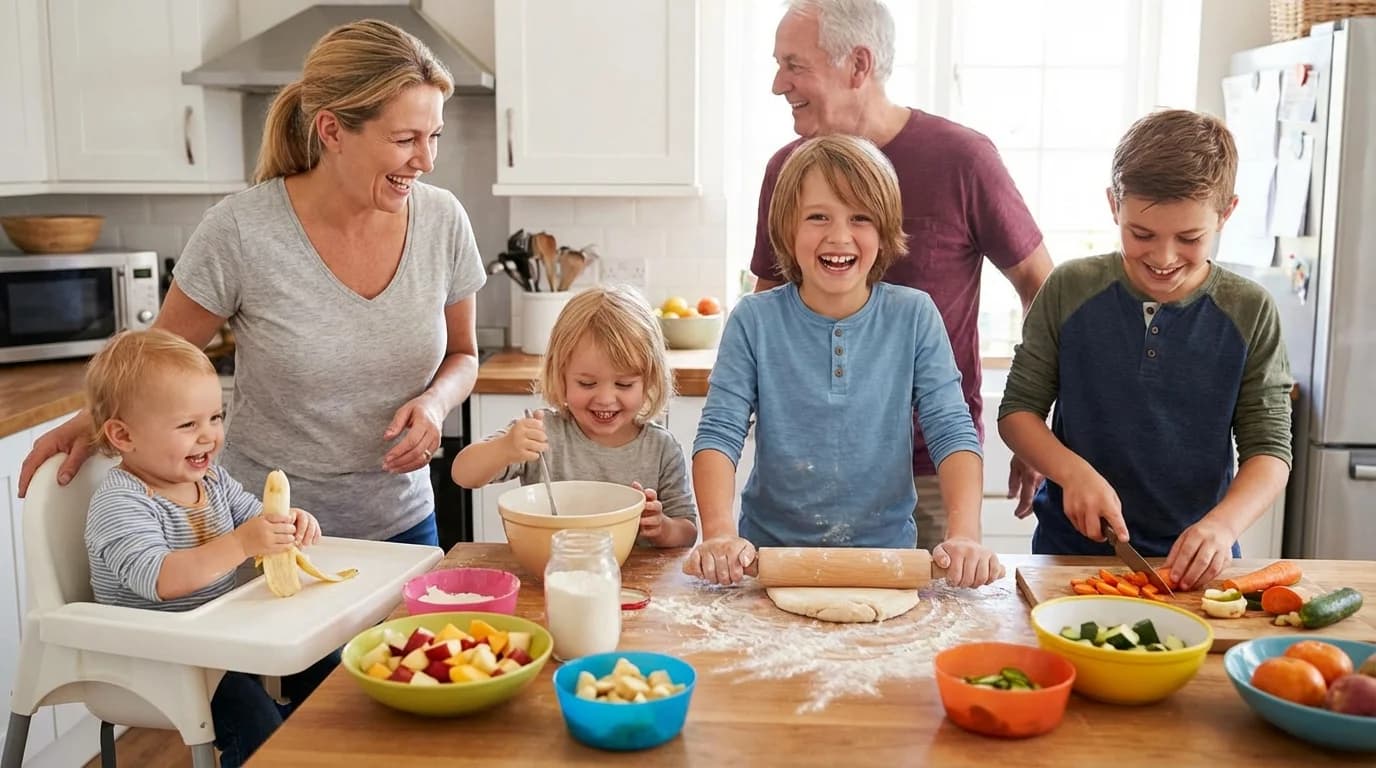
Cooking with kids transforms meal prep from a chore into quality time. Yes, your kitchen will get messier. Yes, everything takes longer. But the life skills, confidence, and memories you're building? Priceless.
Plus, kids who help cook are significantly more likely to eat what they've made—even vegetables.
Why Cooking with Kids Matters
Educational Benefits:
- Math skills: Measuring, counting, fractions
- Science: Chemical reactions, states of matter
- Reading: Following recipes, ingredient lists
- Fine motor skills: Stirring, pouring, cutting
- Executive function: Planning, sequencing, following directions
Life Skills:
- Independence and self-sufficiency
- Understanding nutrition
- Food safety basics
- Confidence in the kitchen
- Appreciation for homemade food
Family Connection:
- Quality one-on-one time
- Building traditions
- Cultural food heritage
- Accomplishment and pride
Safety Guidelines for Cooking with Kids
Kitchen Rules for All Ages:
- Wash hands before starting (sing "Happy Birthday" twice while scrubbing)
- Tie back long hair
- Roll up sleeves
- Use oven mitts for anything hot
- Keep handles turned inward on the stove
- Stay in the kitchen while cooking
- Clean up spills immediately (slip hazard)
Age-Appropriate Tool Introduction:
- Ages 2-3: Plastic utensils, silicone spatulas
- Ages 4-6: Butter knives for soft foods, hand mixers with supervision
- Ages 7-9: Peelers, child-safe knives, can openers
- Ages 10+: Sharp knives with training, stove with supervision
Cooking Tasks by Age
Ages 2-4: The Helpers
They Can:
- Wash vegetables and fruits
- Tear lettuce for salads
- Sprinkle toppings (cheese, seasonings)
- Stir ingredients in bowls
- Mash soft foods (bananas, avocados)
- Press cookie cutters
- Pour pre-measured ingredients
- Shake dressings in sealed jars
Recipe Ideas:
1. Ants on a Log Spread peanut butter on celery sticks (adult pre-cuts), let kids press raisins on top. Classic, fun, and they're building fine motor skills.
2. Fruit and Yogurt Parfaits Pre-cut fruit, provide yogurt and granola. Kids layer ingredients in clear cups. They can see their creation and feel proud.
3. Smoothie Bags Pre-portion smoothie ingredients into freezer bags (berries, banana, spinach). When ready, dump bag into blender, add liquid, let kids press the button (with supervision).
4. No-Bake Energy Bites Mix oats, peanut butter, honey, and chocolate chips. Kids can stir and roll into balls. No heat required, perfect for tiny helpers.
5. Cheese and Cracker Plates Provide crackers, sliced cheese, grapes. Kids arrange on a plate. It's food art!
Ages 5-7: The Apprentices
They Can:
- All previous tasks, plus:
- Crack eggs (into a separate bowl first)
- Peel bananas and hard-boiled eggs
- Cut soft foods with butter knives
- Measure ingredients with cups and spoons
- Grease pans with butter
- Set timers
- Read simple recipe steps
Recipe Ideas:
6. Personal Pizzas English muffins or pita bread, pizza sauce, shredded cheese, toppings. Kids assemble their own, adults bake. Everyone eats what they created. Similar to our 5-ingredient recipes approach.
7. Scrambled Eggs Kids crack eggs into bowl, whisk with fork, add pinch of salt. Adult does the stove cooking, but kids feel ownership. Related: quick breakfast ideas.
8. Sandwich Station Bread, spreads (peanut butter, cream cheese, hummus), fillings (turkey, cheese, cucumber). Kids build custom sandwiches.
9. Fruit Salad Adult cuts harder fruits, kids cut soft fruits (bananas, strawberries) with butter knives. Mix everything together, squeeze lemon juice on top.
10. Trail Mix Provide bowls of nuts, dried fruit, chocolate chips, pretzels, cereal. Kids mix their custom blend and portion into snack bags.
11. Quesadillas Kids sprinkle cheese on tortilla, fold in half. Adult cooks in pan. Cut into triangles together.
12. Overnight Oats Measure oats, milk, yogurt, and mix-ins (berries, cinnamon, honey) into jars. Shake, refrigerate overnight. Breakfast is ready!
Ages 8-10: The Junior Cooks
They Can:
- All previous tasks, plus:
- Use a peeler (carrots, potatoes)
- Use hand mixer
- Drain pasta with supervision
- Follow simple recipes with guidance
- Use can opener
- Microwave simple items
- Rinse and prepare vegetables
- Start learning knife skills with soft foods
Recipe Ideas:
13. Homemade Mac and Cheese Kids measure pasta, grate cheese (box grater), stir cheese sauce (adult makes). They're making a complete meal!
14. Pancakes from Scratch Measure dry ingredients, crack eggs, whisk batter. Adult manages griddle, kids can flip with supervision (the most exciting part). Check our quick breakfast ideas for variations.
15. Vegetable Stir-Fry Kids peel and chop (soft vegetables), measure sauce ingredients. Adult does the high-heat cooking, kids stir at the end.
16. Meatballs Mix ground meat, breadcrumbs, egg, seasonings with hands. Roll into balls. Kids love the hands-on squishing. Adult bakes.
17. Homemade Chicken Nuggets Cut chicken into strips (adult), set up breading station (flour, egg, breadcrumbs). Kids coat each piece. Adult bakes.
18. Guacamole Halve avocados (adult), kids scoop out flesh and mash. Add lime juice, salt, diced tomatoes. Mashing is therapeutic and fun.
19. Rice Bowls Cook rice, provide toppings (edamame, cucumber, teriyaki chicken, sesame seeds). Kids create their own bowls. Similar to our one-pot meals approach.
20. Homemade Salad Dressing Measure oil, vinegar, mustard, honey into jar. Kids shake vigorously. Use immediately on salad they helped prepare.
Ages 11-12: The Independent Chefs
They Can:
- All previous tasks, plus:
- Use chef's knife with training
- Use stove with supervision
- Follow complete recipes independently
- Use oven independently (once trained)
- Multi-task (boiling pasta while making sauce)
- Improvise and adjust seasonings
- Clean as they go
Recipe Ideas:
21. Spaghetti with Meat Sauce Boil pasta, brown ground beef, add jar sauce (or make from scratch). Complete meal from start to finish. For more pasta ideas, see easy pasta recipes.
22. Stir-Fried Rice Use leftover rice, scramble eggs, add frozen veggies and soy sauce. One-pan meal they can manage independently.
23. Tacos Season and cook ground turkey, warm tortillas, set up toppings bar. They're running the whole operation.
24. Homemade Pizza Dough Measure ingredients, knead dough, let rise, roll out, top, bake. From flour to finished pizza.
25. Baked Chicken Thighs Season chicken, roast with vegetables on sheet pan. Proper protein cooking with supervision.
26. Chili Chop onions and peppers, brown meat, add beans and tomatoes, simmer. A complete one-pot meal. Related: cheap slow cooker meals.
27. Stir-Fry Noodles Cook noodles, stir-fry vegetables and protein, toss with sauce. Building multi-component meal skills.
28. Homemade Soup Dice vegetables, make broth-based soup (chicken noodle, vegetable, etc.). From scratch comfort food.
29. Burgers from Scratch Form patties, season, cook on stove or grill (with supervision). Set up toppings bar. Complete burger night.
30. Breakfast for Dinner Scrambled eggs, bacon or sausage, toast. They plan and execute the whole meal.
No-Cook Recipes for All Ages
Perfect for summer, power outages, or building confidence before heat introduction:
31. Caprese Salad Skewers Thread cherry tomatoes, mozzarella balls, and basil on toothpicks. Drizzle with olive oil.
32. Hummus and Veggie Wraps Spread hummus on tortilla, add cucumbers, carrots, lettuce, roll up.
33. Peanut Butter Banana Sushi Spread peanut butter on tortilla, place banana in center, roll, slice into rounds.
34. Cold Pasta Salad Mix cooked and cooled pasta with diced vegetables, Italian dressing, and cheese.
35. Fruit Kabobs Thread strawberries, grapes, pineapple, and melon on skewers.
Baking Projects (All Ages with Appropriate Tasks)
36. Chocolate Chip Cookies Younger kids measure and stir, older kids can cream butter and sugar. Everyone can scoop dough.
37. Banana Bread Kids mash bananas, measure ingredients, mix batter. Great way to use overripe bananas.
38. Rice Krispie Treats Melt butter and marshmallows (supervision), kids stir in cereal and press into pan.
39. Homemade Muffins Mix dry and wet ingredients separately, combine. Kids can fill muffin tins. Try quick breakfast ideas for flavors.
40. No-Bake Cheesecake Cups Graham cracker crust in cups, cream cheese filling (no-bake version), refrigerate.
The Weekly Cooking with Kids Schedule
Monday: Quick Involvement They help set the table, wash vegetables, or toss salad. Low-pressure after school/work.
Tuesday: One New Skill Introduce or practice one specific skill: cracking eggs, using the peeler, measuring.
Wednesday: Their Choice Night Kid picks dinner from 3 pre-approved options. They help cook what they chose.
Thursday: Minimal Involvement Busy night? They help with one simple task or just observe. Not every night needs to be a teaching moment.
Friday: Project Night More time available? Tackle a longer recipe like homemade pizza or cookies.
Weekend: Big Project Baking, meal prep for the week, or trying a completely new recipe together.
Setting Up Your Kid-Friendly Kitchen
Essential Tools:
- Child-safe knives (ages 7+)
- Sturdy step stool
- Kid-sized aprons
- Plastic mixing bowls (unbreakable)
- Measuring cups and spoons
- Silicone spatulas and wooden spoons
- Hand mixer (supervised)
- Egg separator (for younger kids)
Kitchen Organization:
- Low drawer with kid utensils
- Accessible cutting board storage
- Ingredient bins they can reach
- Recipe card holder at eye level
- Designated "kid prep space" on counter
Managing the Mess (Strategies That Work)
Before Cooking:
- Lay out all ingredients and tools first (mise en place)
- Cover workspace with washable mat or towel
- Start with clean kitchen (less overwhelming)
- Set clear expectation: we clean as we go
During Cooking:
- Wipe spills immediately (before they get sticky)
- Put ingredients away after using
- Load dishwasher as you go
- Keep a "scrap bowl" for peels and scraps
After Cooking:
- Everyone helps clean (non-negotiable)
- Make it fun: race to see who can wipe their area fastest
- Young kids can: put away plastic containers, wipe table, sweep with handheld broom
- Celebrate the meal together before cleaning up
Troubleshooting Common Challenges
"They Just Want to Lick the Spoon"
Make a tiny amount of "tasting batter" separately so they can lick that spoon without contaminating the whole recipe. Or use separate spoons—one for cooking, one for tasting.
"Everything Takes Three Times Longer"
Yes, it does. Plan accordingly. Choose cooking-with-kids recipes on nights when you're not rushed. This is an investment in their skills.
"They Lose Interest Halfway Through"
Normal for younger kids. Let them step away and play, then call them back for the "exciting parts" (pressing buttons, tasting, serving).
"Their Measurements Are... Approximate"
For younger kids, you can sneakily adjust after they pour. For older kids, baking is a great teacher—if measurements are off, the cookies don't turn out. Natural consequences teach precision.
"Sibling Fighting"
Give each child specific tasks. "You stir, you measure, I'll crack the eggs." Clear roles prevent conflict. Or cook different recipes simultaneously—each kid has their own project.
Conversation Starters While Cooking
Make cooking time about more than food:
- "What was the best part of your day?"
- "If you could cook dinner for anyone in the world, who would it be?"
- "What's a food you used to hate but now like?"
- "What should we try making next week?"
- "Who taught me how to cook this recipe?" (family history)
Cultural Cooking: Teaching Heritage Through Food
Cooking together is a powerful way to pass down cultural traditions:
- Make your grandmother's recipe together
- Explore your family's country of origin through food
- Try foods from places you'll visit on vacation
- Cook recipes from books you've read together
- Celebrate holidays with traditional foods
Teaching Nutrition Through Cooking
Natural Learning Opportunities:
- "We need protein to build strong muscles—that's why we're adding chicken."
- "Orange and red vegetables have vitamin A for healthy eyes."
- "Whole wheat pasta has more fiber to keep our tummies happy."
- "We're using olive oil, which is a healthy fat for our brains."
Keep it simple and positive. Focus on what foods do FOR us, not what they protect against.
Recipe Scaling as Math Practice
For older kids:
- "This recipe serves 4, but we need 6 servings. How much of each ingredient do we need?"
- "We're halving this recipe. What's half of ¾ cup?"
- Converting measurements: "How many teaspoons in a tablespoon?"
Real-world math application that has immediate, delicious results.
Cookbooks and Resources for Kids
Great Starter Cookbooks:
- "The Complete Cookbook for Young Chefs" (America's Test Kitchen Kids)
- "Cooking Class" series (Deanna F. Cook)
- "Pretend Soup" (Mollie Katzen) - for very young kids
- "The Silver Spoon for Children" (Italian classics simplified)
Cooking with Kids on a Budget
You don't need special ingredients for teaching moments:
- Practice measuring with rice and beans before using expensive ingredients
- Start with simple, budget-friendly recipes like budget pasta recipes
- Check our budget grocery shopping tips for family-friendly ingredients
- Use failures as learning (burned cookies are a lesson, not a waste)
When Cooking Together Isn't Working
Some kids aren't interested, and that's okay. Alternative ways to involve them:
- Menu planning (choosing from options)
- Grocery shopping (finding items on list)
- Setting the table beautifully
- Creating place cards for family dinners
- Being "official taste tester"
- Drawing pictures of the meal afterward
The Long-Term Benefits
Kids who cook become teenagers who can:
- Make their own school lunches
- Cook simple dinners when you're late
- Contribute to family meals
- Eat more adventurously (they made it, after all)
- Understand nutrition basics
- Budget and grocery shop
They become adults who:
- Don't rely on takeout for survival
- Can cook for dates and friends
- Feel confident in the kitchen
- Appreciate homemade food
- Pass these skills to their own kids
Your First Week: A Gentle Start
Day 1: Washing vegetables for tonight's dinner (3 minutes) Day 3: Stirring ingredients for pancakes (5 minutes) Day 5: Making their own sandwich for lunch (10 minutes) Day 7: Helping with one complete simple recipe together (30 minutes)
Start small. Build consistency. Add complexity gradually.
Final Thoughts
Cooking with kids is messy, slower, and occasionally frustrating. The first few times, you might question why you're doing this when you could just make dinner in peace.
But then you'll watch your child proudly serve a meal they helped create. You'll hear them tell grandparents, "I made this!" You'll notice them trying new foods because "I cooked it myself." You'll see them reading a recipe independently at age 10.
The flour on the floor and extra time? Worth every second.
Start tonight with something simple. Let them wash the lettuce, stir the sauce, or sprinkle the cheese. Small steps build kitchen confidence that lasts a lifetime.
For more family cooking ideas, check out family meal planning tips and quick weeknight dinners.
Now get cooking—together.
About myrecipe
myrecipe helps families save, organize, and share their favorite recipes in one place. Plan meals, create shopping lists, and preserve your culinary traditions.
Start Organizing Recipes