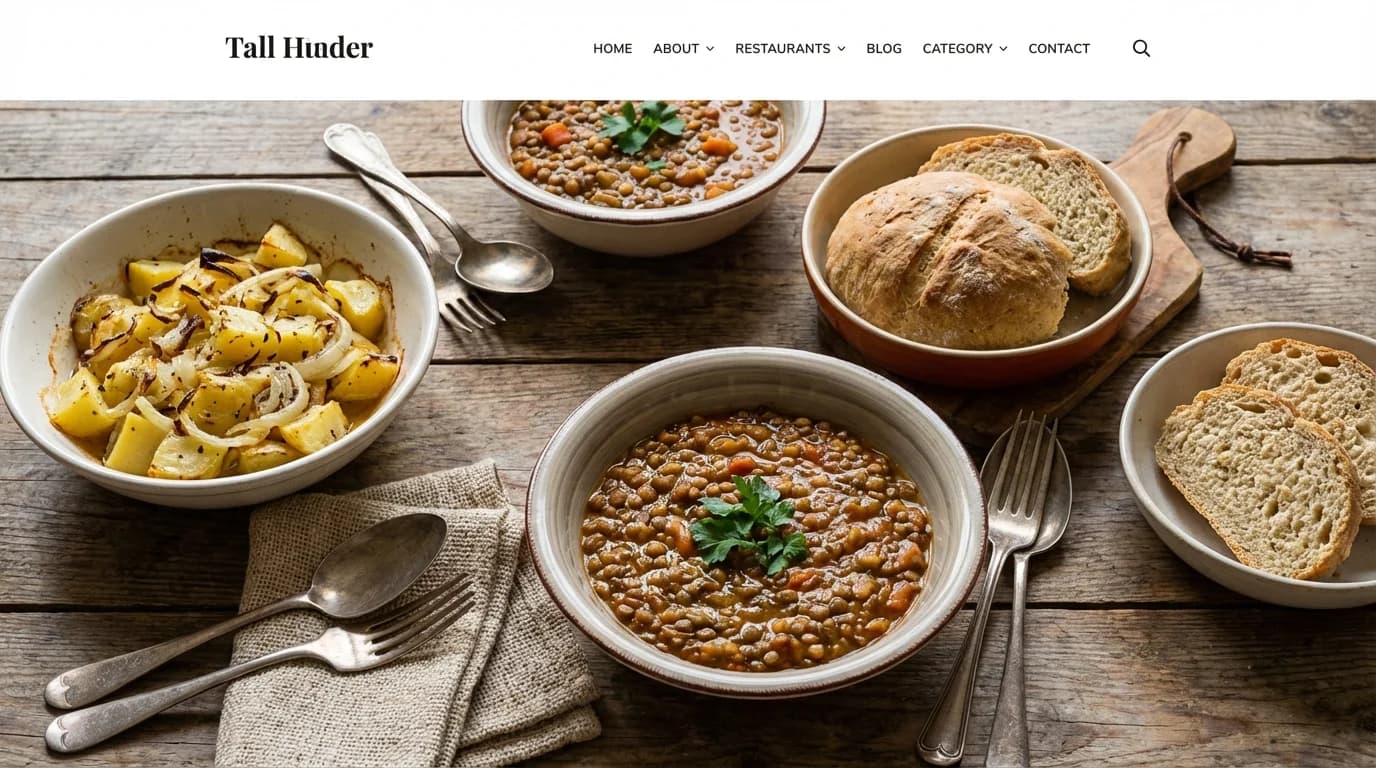
When my grandmother talked about growing up in the 1930s, she didn't share war stories or tales of adventure. She talked about food. More specifically, how her mother could make a single chicken feed eight people, or turn yesterday's bread into tonight's dinner.
Key Takeaways
- Depression-era cooks stretched one chicken to feed 8+ people
- Waste nothing: stale bread becomes breadcrumbs, pudding, or French toast
- Build meals around pantry staples that last: flour, oats, dried beans, rice
- Meat is a flavoring, not the star—small amounts go far in soups and stews
- These time-tested recipes still save serious money 90 years later
Those weren't just recipes. They were survival strategies.
The Great Depression forced families to get creative with limited ingredients and even tighter budgets. But here's the surprising part: those same recipes can help us save serious money today, even without an economic crisis.
Let's explore the recession-proof recipes that helped families survive the hardest times, and why they're making a comeback in modern kitchens.
Why Depression-Era Recipes Still Matter
Between 1929 and 1939, unemployment hit 25%. Families survived on budgets that would shock us today. The average family spent just $4 per week on food, which is about $80 in today's money.
That forced creativity. Home cooks learned to:
- Use every scrap of food
- Make expensive ingredients stretch further
- Replace costly items with cheaper alternatives
- Cook from scratch instead of buying prepared foods
Sound familiar? These same principles help families save money today, whether facing a personal budget crisis or just trying to spend less on groceries.
The difference now is that we have choices. We're choosing these recipes not just to survive, but to thrive while spending less.
The Core Principles of Depression Cooking
Before we dive into specific recipes, let's understand what made Depression-era cooking so effective:
Nothing Gets Wasted: Stale bread became bread pudding. Vegetable scraps became soup stock. Leftover meat got stretched into casseroles.
Cheap Proteins Take Center Stage: Beans, eggs, and small amounts of meat provided protein without breaking the budget. See our cheap protein sources guide for modern budget protein options.
Seasonal and Local: Without modern shipping, families ate what grew nearby and what was in season.
Scratch Cooking: Pre-made foods were luxuries. Everything came from basic ingredients.
One-Pot Meals: Fewer dishes meant less water, soap, and fuel for heating water.
These aren't just historical curiosities. They're practical strategies that cut grocery bills by 30-50% when applied consistently.
Five Depression-Era Recipes That Save Money Today
1. Water Pie (Also Called "Desperation Pie")
Yes, you read that right. Water pie contains no eggs, milk, or fruit. Just water, flour, sugar, butter, and vanilla.
The magic happens during baking. The ingredients separate and create a custard-like filling with a crispy top. It tastes surprisingly like a chess pie.
Cost per serving: About $0.25
Modern adaptation: Add a splash of lemon juice for brightness, or use it as a base and top with fresh fruit when serving.
2. Potato Soup (With Endless Variations)
Potatoes were cheap, filling, and stored well. A basic potato soup cost pennies and could feed a family for days.
Basic recipe: Diced potatoes, onions, water or broth, salt, pepper, and any milk or cream you have on hand.
Modern twist: This becomes a blank canvas. Add bacon bits, cheese, chives, or roasted garlic. The base stays cheap while additions make it feel special.
Cost per serving: $0.40-$0.75 depending on additions
3. Poor Man's Meal (Hotdogs and Potatoes)
Slice hotdogs and potatoes. Fry them together. That's it.
It sounds too simple to be good, but the potatoes crisp up while absorbing flavor from the hotdogs. The result is comfort food that costs under $2 to make enough for four people.
Modern upgrade: Use smoked sausage instead of hotdogs, add peppers and onions, season with paprika or garlic powder.
Cost per serving: $0.50-$1.00
4. Milk Toast
This was the original comfort food. Toast bread, butter it, cut it into cubes, and pour warm sweetened milk over it.
People ate this for breakfast, quick lunches, or when feeling under the weather.
Modern version: Use cinnamon and a touch of vanilla in the milk. Top with a drizzle of honey. It's essentially deconstructed French toast.
Cost per serving: $0.35
5. Bean Soup with Ham Hock
A pound of dried beans costs about $1.50 and makes enough soup to feed six people twice. Add a ham hock for flavor (about $2), and you've got twelve servings for $3.50.
That's $0.30 per serving of hot, filling, protein-rich food.
Modern adaptation: Use a slow cooker or Instant Pot. The hands-off cooking fits modern schedules while delivering the same budget-friendly results.
Add carrots, celery, and bay leaves for depth. Finish with a splash of apple cider vinegar to brighten the flavors.
What Makes These Recipes "Recession-Proof"
Three things make these recipes work in any economic climate:
Ingredient Flexibility: Most use pantry staples that you can substitute easily. No potatoes? Use rice. No milk? Water works. Out of butter? Use oil.
Long Shelf Life: Beans, flour, potatoes, and rice store for months. You can stock up when prices are low.
Scalability: All these recipes double or halve easily. Cook for one or cook for ten.
How to Use myrecipe to Save Depression-Era Recipes
Here's where modern technology meets old-school frugality.
Instead of keeping recipes on scattered scraps of paper like our grandparents did, save these budget recipes to myrecipe. You can:
- Tag them as "budget meals" or "pantry staples"
- Note which ingredients you can substitute
- Track how much each recipe costs you
- Build collections of your go-to frugal meals
- Scale recipes up when cooking in bulk
Think of it as your digital recipe box, but one that helps you find the exact budget-friendly meal you need when money is tight.
Common Mistakes When Cooking Depression-Era Recipes
Mistake #1: Expecting Fancy Restaurant Flavors
These recipes were designed for survival, not Instagram. They're simple, honest food. Season well with salt and pepper. That makes a bigger difference than you'd think.
Mistake #2: Skipping the Fat
Depression-era cooks knew that fat carries flavor and provides satiety. Don't go too low-fat with these recipes. A little butter or bacon grease makes a huge difference.
Mistake #3: Not Adjusting Cooking Times for Modern Appliances
Old recipes assumed wood stoves with uneven heat. Your modern oven cooks more efficiently. Check for doneness earlier than the recipe states.
Mistake #4: Forgetting to Season
Basic ingredients need help. Salt, pepper, onion, and garlic transform bland into delicious. Don't skimp on these cheap flavor boosters.
Mistake #5: Throwing Away "Scraps"
The whole point was using everything. Save vegetable scraps for stock. Freeze leftover bones. Use stale bread for breadcrumbs or croutons.
Modern Twists on Depression-Era Principles
You don't have to cook exactly like it's 1932. Apply the principles to modern cooking:
Instead of: Buying pre-shredded cheese Depression-era approach: Buy block cheese and shred it yourself (saves 40%)
Instead of: Buying individual yogurt cups Depression-era approach: Buy large containers and portion yourself (saves 60%)
Instead of: Throwing away vegetable scraps Depression-era approach: Make vegetable stock for soups (saves $3-4 per batch)
Instead of: Buying prepared meals Depression-era approach: Batch cook on weekends (saves $100+ monthly)
The Social Side of Frugal Cooking
Depression-era families often shared meals, traded ingredients, and helped each other stretch budgets.
We can do the same today:
- Start a recipe swap group with friends
- Share bulk purchases to get better prices
- Trade homemade meals instead of buying gifts
- Teach kids these money-saving cooking skills
The community aspect made tough times more bearable. It still works today.
Frequently Asked Questions
Q: Are Depression-era recipes actually healthy?
A: Many are surprisingly nutritious. Bean soups provide fiber and protein. Vegetable-heavy meals deliver vitamins. However, some recipes are high in refined carbs and fat. The key is balance. Use these recipes as part of a varied diet, and add vegetables where you can.
Q: How much money can I actually save using these recipes?
A: Families who incorporate 3-4 Depression-era style meals per week typically save $80-150 monthly on groceries. The savings come from cooking from scratch, using cheap proteins like beans and eggs, and wasting less food.
Q: Where can I find authentic Depression-era recipes?
A: Check old community cookbooks from the 1930s-40s (many are digitized online), ask older relatives, or search for "Great Depression recipes" or "War rationing recipes." You can save your favorites to myrecipe for easy access and modern recipe management.
Q: Do these recipes work for families with picky eaters?
A: Start with familiar concepts like potato soup or bean soup, which you can customize with favorite toppings. Many Depression-era recipes are simple enough that kids can help cook them, which increases the chance they'll try eating them.
Q: Can I meal prep these recipes?
A: Absolutely. Most Depression-era recipes were designed to make large batches that would last several days. Bean soups, potato dishes, and casseroles all freeze well. Make double batches and freeze half for future meals.
Your Recession-Proof Recipe Collection
The families who survived the Depression didn't just have recipes. They had a mindset.
They valued resourcefulness over perfection. They celebrated making do with what they had. They found satisfaction in feeding their families well on very little.
That mindset serves us just as well today.
Start with one or two of these recipes. See how they fit your family's tastes and budget. Save your favorites to myrecipe so they're easy to find when you need them.
Before long, you'll have your own collection of recession-proof recipes, ready for whatever economic weather comes your way.
Because the best time to learn frugal cooking isn't when you desperately need it. It's right now, when you have the freedom to experiment and find what works for your family.
Those Depression-era cooks would approve.
About myrecipe
myrecipe helps families save, organize, and share their favorite recipes in one place. Plan meals, create shopping lists, and preserve your culinary traditions.
Start Organizing Recipes