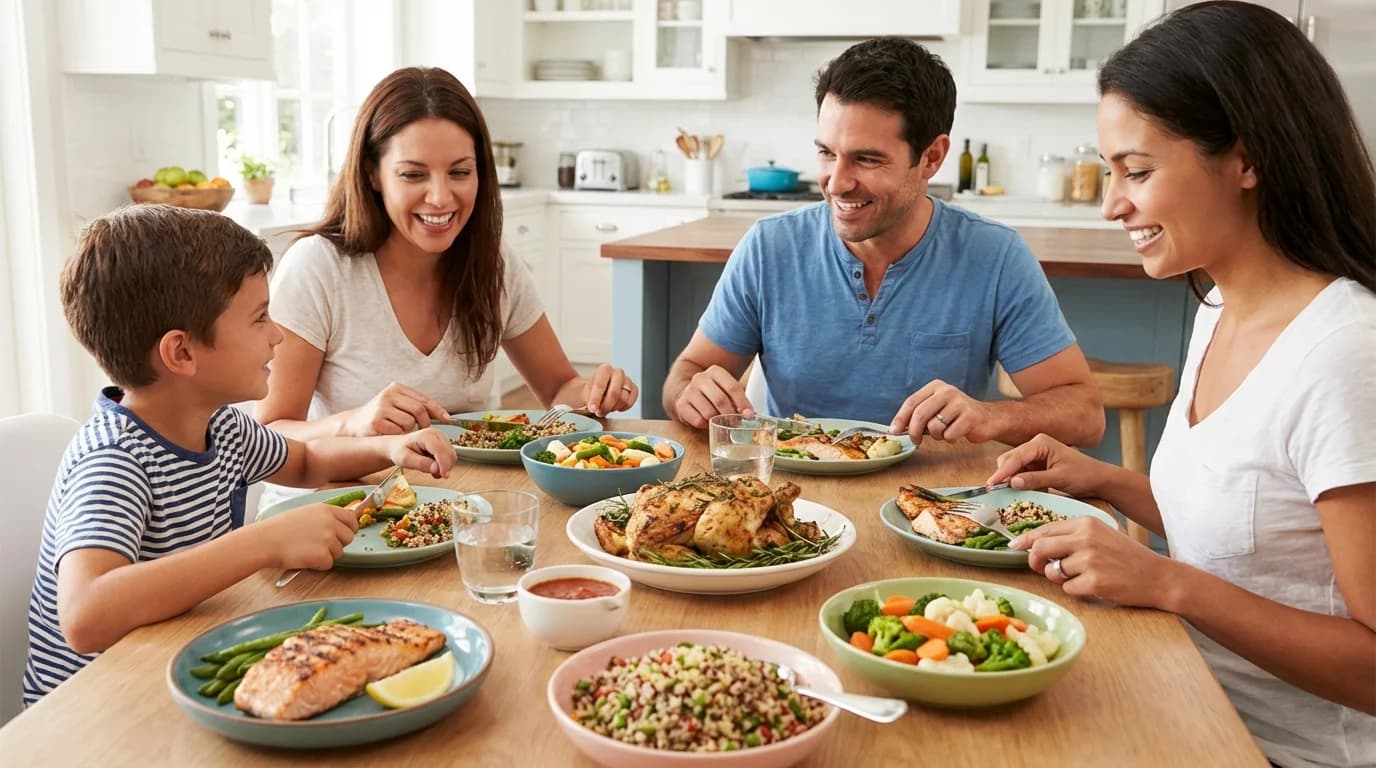
Reducing sodium doesn't mean sacrificing flavor. With the right techniques and ingredients, you can create delicious, family-friendly meals that support heart health without tasting bland. These 30 low-sodium recipes prove that healthy eating can be satisfying for everyone at the table.
Understanding Low-Sodium Cooking
Daily Sodium Recommendations:
- Healthy adults: Less than 2,300mg (about 1 teaspoon salt)
- People with high blood pressure or heart conditions: 1,500mg or less
- Children: 1,200-1,900mg depending on age
Hidden Sodium Sources:
- Canned soups (800-1,200mg per cup)
- Deli meats (400-1,000mg per serving)
- Cheese (150-400mg per ounce)
- Bread (150-300mg per slice)
- Condiments and sauces (100-800mg per tablespoon)
- Restaurant meals (1,500-3,000mg per entree)
The Problem: Most Americans consume 3,400mg of sodium daily—well above recommendations.
The Solution: Cook at home using fresh ingredients and flavor-boosting techniques.
Flavor-Boosting Strategies for Low-Sodium Cooking
Use Fresh Herbs:
- Basil, cilantro, parsley, thyme, rosemary, oregano
- Add at the end of cooking for maximum flavor
Add Acid:
- Lemon juice, lime juice, vinegar (balsamic, red wine, apple cider)
- Brightens flavors without salt
Incorporate Umami:
- Tomato paste (low-sodium)
- Mushrooms
- Nutritional yeast
- Low-sodium soy sauce (use sparingly)
- Miso paste (in moderation)
Toast Spices:
- Cumin, coriander, paprika, chili powder
- Toasting in a dry pan intensifies flavors
Caramelize Vegetables:
- Onions, garlic, peppers
- Natural sugars create deep, complex flavors
Use Aromatics:
- Garlic, ginger, shallots, onions
- Build flavor foundations
Add Heat:
- Fresh chili peppers, red pepper flakes, black pepper
- Distracts from lack of salt
30 Low-Sodium Family Recipes
Chicken Dinners
1. Lemon Herb Roasted Chicken Roast chicken with fresh lemon slices, garlic, rosemary, and thyme. No salt needed—the herbs and citrus create incredible flavor.
- Sodium: 85mg per serving
2. Baked Chicken Tenders Coat chicken in panko breadcrumbs (low-sodium) mixed with Italian herbs, garlic powder, and paprika. Bake until crispy.
- Sodium: 120mg per serving
- Kids love these!
3. Chicken Fajitas Season chicken with homemade fajita blend (cumin, chili powder, garlic powder, paprika). Sauté with peppers and onions. Serve with corn tortillas.
- Sodium: 150mg per serving
4. Honey Mustard Chicken Coat chicken with honey, Dijon mustard (low-sodium), and fresh herbs. Bake with roasted vegetables.
- Sodium: 140mg per serving
5. Chicken Stir-Fry Use fresh ginger, garlic, and a touch of low-sodium soy sauce. Load with colorful vegetables.
- Sodium: 200mg per serving (if using 1 tsp low-sodium soy sauce)
Similar to our easy stir-fry recipes but modified for low sodium.
Beef and Pork
6. Homemade Burgers Make patties from ground beef seasoned with pepper, garlic powder, and onion powder. Skip the cheese or use low-sodium option. Serve with lots of vegetables.
- Sodium: 95mg per serving (without cheese or condiments)
7. Beef and Vegetable Stir-Fry Marinate beef in fresh ginger, garlic, and rice vinegar. Stir-fry with broccoli, snap peas, and bell peppers.
- Sodium: 110mg per serving
8. Pork Chops with Applesauce Pan-sear pork chops seasoned with sage and black pepper. Serve with homemade unsweetened applesauce.
- Sodium: 75mg per serving
9. Meatloaf Use fresh breadcrumbs instead of packaged mix. Season with herbs, garlic, and onion. Skip ketchup topping or use low-sodium variety.
- Sodium: 180mg per serving
10. Sheet Pan Steak and Vegetables Season flank steak with rosemary and pepper. Roast with potatoes, carrots, and Brussels sprouts.
- Sodium: 100mg per serving
Seafood Options
11. Baked Salmon with Dill Top salmon with fresh dill, lemon slices, and garlic. Bake until flaky.
- Sodium: 95mg per serving (salmon naturally contains some sodium)
12. Lemon Garlic Shrimp Sauté shrimp in olive oil with lots of garlic, lemon juice, and fresh parsley. Serve over whole wheat pasta.
- Sodium: 220mg per serving (shrimp naturally contains sodium)
13. Fish Tacos Season white fish with cumin, paprika, and lime. Serve in corn tortillas with cabbage slaw (vinegar-based dressing, no salt).
- Sodium: 180mg per serving
14. Tuna Pasta Salad Use low-sodium canned tuna, whole wheat pasta, vegetables, and olive oil-lemon dressing.
- Sodium: 200mg per serving
Vegetarian Meals
15. Vegetable Stir-Fry with Tofu Use firm tofu, fresh vegetables, ginger, garlic, and a splash of low-sodium soy sauce.
- Sodium: 180mg per serving
16. Black Bean Tacos Season black beans (no-salt-added canned or homemade) with cumin, chili powder, and lime. Load with vegetables.
- Sodium: 120mg per serving
17. Veggie-Loaded Spaghetti Use low-sodium marinara or make your own from fresh tomatoes. Add mushrooms, zucchini, peppers, and spinach.
- Sodium: 160mg per serving
18. Lentil Soup Cook lentils with no-salt-added vegetable broth, carrots, celery, onions, and herbs.
- Sodium: 95mg per serving
19. Quinoa Bowls Build bowls with quinoa, roasted vegetables, chickpeas (no-salt-added), and tahini dressing.
- Sodium: 140mg per serving
Comfort Foods
20. Homemade Pizza Make dough from scratch (control salt content). Use low-sodium marinara, fresh mozzarella (lower sodium than processed), and vegetable toppings.
- Sodium: 300mg per serving (still much lower than restaurant pizza at 700-1,200mg)
21. Chicken and Rice Casserole Combine chicken, brown rice, vegetables, and low-sodium chicken broth. Season with herbs and garlic.
- Sodium: 190mg per serving
22. Mac and Cheese (Lower Sodium) Make cheese sauce from scratch using whole milk and reduced-fat cheese. Use less cheese than traditional recipes and boost flavor with mustard powder and paprika.
- Sodium: 280mg per serving
23. Meatballs with Marinara Make meatballs with fresh breadcrumbs, eggs, herbs, and garlic. Simmer in homemade marinara sauce.
- Sodium: 200mg per serving
Soups and Stews
24. Chicken Noodle Soup Make from scratch using no-salt-added chicken broth, fresh vegetables, and herbs.
- Sodium: 140mg per serving
For more soup ideas, see our cheap soup recipes and adapt for low sodium.
25. Vegetable Beef Stew Use beef chuck, potatoes, carrots, celery, no-salt-added beef broth, and plenty of herbs.
- Sodium: 165mg per serving
26. Minestrone Combine no-salt-added canned tomatoes, beans (no-salt-added), vegetables, and whole wheat pasta.
- Sodium: 125mg per serving
Quick Dinners
27. Egg Fried Rice Use day-old rice, scrambled eggs, frozen vegetables, and garlic. Skip or minimize soy sauce.
- Sodium: 110mg per serving
28. Breakfast for Dinner Scrambled eggs with peppers, mushrooms, and onions. Serve with whole grain toast and fresh fruit.
- Sodium: 180mg per serving
29. Grilled Chicken Salad Top mixed greens with grilled chicken, vegetables, nuts, and olive oil-balsamic dressing.
- Sodium: 130mg per serving
30. Baked Sweet Potato Bar Bake sweet potatoes and offer low-sodium toppings: black beans (no-salt-added), salsa, avocado, plain Greek yogurt.
- Sodium: 150mg per serving
Low-Sodium Swaps
| Instead of | Use | Sodium Savings |
|---|---|---|
| Regular canned beans | No-salt-added canned beans OR dried beans | 300-500mg per serving |
| Regular broth | No-salt-added broth | 500-800mg per cup |
| Soy sauce | Low-sodium soy sauce (sparingly) | 600mg per tbsp |
| Pre-seasoned meats | Fresh meat + homemade seasonings | 300-700mg per serving |
| Deli meat | Roasted chicken or turkey (homemade) | 500-800mg per serving |
| Canned soup | Homemade soup | 600-1,000mg per cup |
| Store pasta sauce | Homemade marinara | 300-500mg per serving |
| Regular cheese | Reduced-sodium cheese | 100-200mg per ounce |
| Salted butter | Unsalted butter | 90mg per tbsp |
Essential Low-Sodium Pantry
Proteins:
- Fresh chicken, beef, pork, fish
- Eggs
- No-salt-added canned beans
- Dried beans and lentils
- Unsalted nuts
Grains:
- Brown rice, quinoa, farro
- Whole wheat pasta
- Oats (unflavored)
- Whole wheat flour
Canned Goods:
- No-salt-added tomatoes (diced, crushed, sauce)
- No-salt-added vegetable and chicken broth
- No-salt-added canned fish (tuna, salmon)
Flavor Builders:
- Fresh garlic and ginger
- Onions and shallots
- Lemons and limes
- Fresh herbs (grow your own!)
- Vinegars (balsamic, red wine, apple cider)
- Dried herbs and spices (salt-free blends)
- Black pepper, red pepper flakes
- Nutritional yeast
Condiments:
- Dijon mustard (low-sodium)
- Hot sauce (check labels—some are low sodium)
- Olive oil
- Honey and maple syrup
Making Low-Sodium Food Taste Good
Layer Flavors: Don't rely on one flavor source. Combine herbs, spices, acid, and aromatics for complex taste.
Use Fat Wisely: A little olive oil, butter, or avocado carries flavors and creates satisfaction.
Add Crunch: Toasted nuts, seeds, or breadcrumbs add texture that makes meals more interesting.
Finish with Fresh: Add fresh herbs, a squeeze of lemon, or a drizzle of good olive oil just before serving.
Adjust Gradually: Taste buds adapt to lower sodium in 4-6 weeks. Don't expect everything to taste "normal" immediately.
Budget Tips for Low-Sodium Cooking
1. Buy Fresh Ingredients Fresh meat, vegetables, and grains are naturally low in sodium and often cheaper than processed alternatives.
2. Cook Beans from Dried Dried beans cost $1.50 per pound versus $1 per can, and you control the sodium completely.
3. Make Your Own Broth Save vegetable scraps and chicken bones to make sodium-free broth. Free!
4. Grow Herbs A $3 basil plant provides fresh herbs for months instead of $3 packages that spoil quickly.
5. Buy Whole Chicken Roast it yourself instead of buying rotisserie chicken (which is heavily salted).
For more budget strategies, see our budget grocery shopping tips.
Meal Planning for Low-Sodium Families
Weekly Strategy:
Sunday:
- Roast whole chicken (use throughout week)
- Make no-salt-added vegetable broth from scraps
- Cook dried beans
- Chop vegetables
Weeknight Assembly:
- Monday: Chicken with roasted vegetables
- Tuesday: Black bean tacos
- Wednesday: Chicken noodle soup (using Sunday's chicken and broth)
- Thursday: Beef stir-fry
- Friday: Homemade pizza
- Weekend: Try a new low-sodium recipe
Reading Labels
Look for:
- "No salt added" or "sodium-free" (less than 5mg per serving)
- "Low sodium" (140mg or less per serving)
- "Reduced sodium" (at least 25% less than regular product)
Watch Out For:
- Serving sizes (sometimes unrealistically small)
- Multiple names for sodium (sodium benzoate, monosodium glutamate, sodium nitrite)
- "Lightly salted" (not a regulated term, can still be high)
Dining Out on Low-Sodium Diet
Strategies:
- Ask for sauces on the side
- Request no added salt during cooking
- Choose grilled or roasted proteins
- Order vegetable sides without butter
- Skip bread basket and chips
- Bring your own salt-free seasoning blend
Best Restaurant Choices:
- Grilled fish with steamed vegetables
- Build-your-own salads
- Stir-fries with sauce on the side
- Roasted chicken with sides
Common Mistakes
1. Replacing All Salt with Salt Substitutes Many contain potassium chloride, which can interact with medications. Check with your doctor first.
2. Not Reading Labels "Healthy" foods like canned vegetables and whole grain bread can be high in sodium.
3. Giving Up Too Soon Taste buds adapt in 4-6 weeks. Give low-sodium eating a fair chance.
4. Making Everything Bland Use herbs, spices, acid, and aromatics aggressively. Low-sodium doesn't mean low-flavor!
5. Not Involving the Family When everyone understands why you're reducing sodium, they're more supportive and helpful.
Conclusion
Low-sodium cooking for families doesn't mean bland, boring food. By using fresh ingredients, herbs, spices, and smart flavor-building techniques, you can create meals that are both heart-healthy and delicious.
Start by making just one or two low-sodium swaps per week. Replace regular canned beans with no-salt-added versions. Make your own taco seasoning instead of buying packets. These small changes add up to significant sodium reductions.
Within a month, your taste buds will adapt, and you'll actually prefer the brighter, fresher flavors of low-sodium cooking. Your heart will thank you too!
What low-sodium recipe will you try first? Remember, every meal without excessive sodium is a step toward better health for your entire family.
About myrecipe
myrecipe helps families save, organize, and share their favorite recipes in one place. Plan meals, create shopping lists, and preserve your culinary traditions.
Start Organizing Recipes