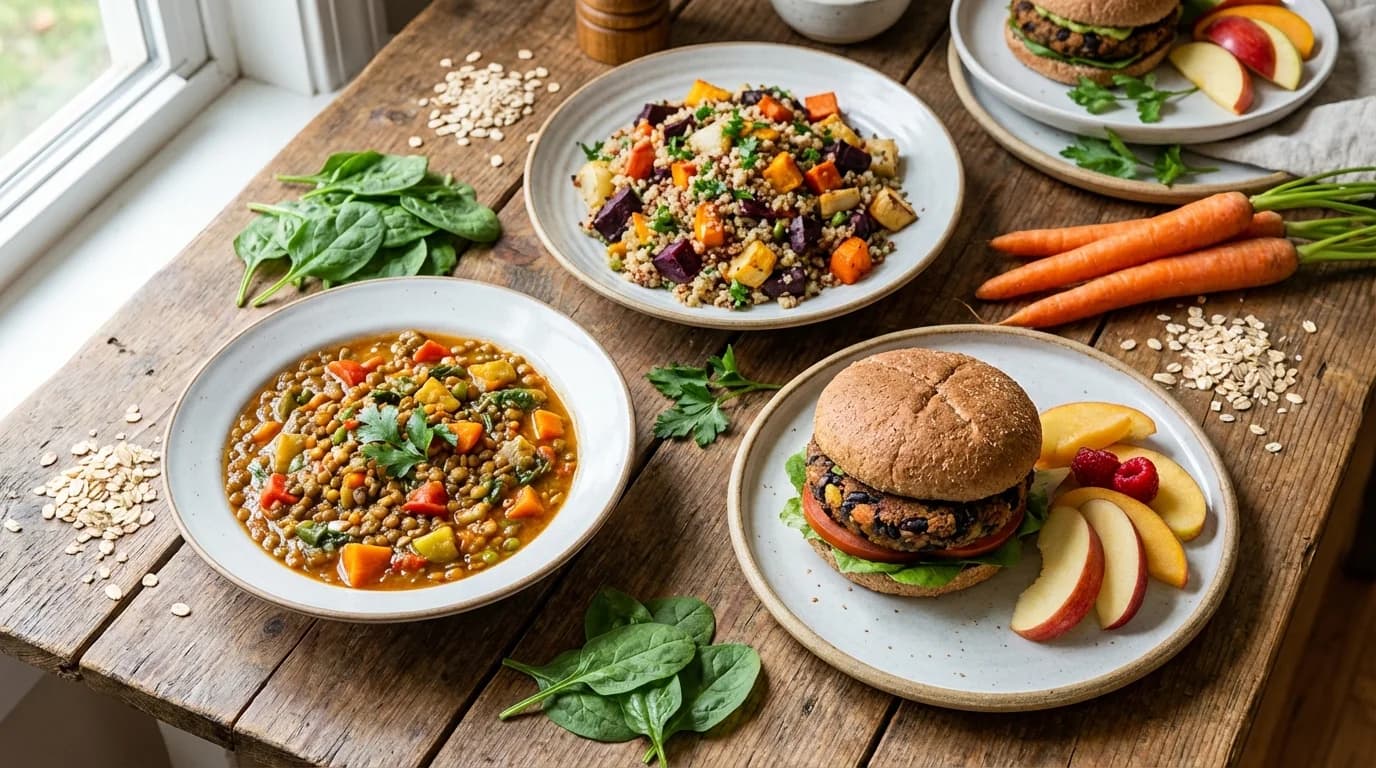
A heart-healthy diet doesn't require expensive superfoods or specialty stores. With smart shopping and simple recipes, you can nourish your cardiovascular system for less than $3 per serving. These 30 budget-friendly recipes feature ingredients proven to support heart health without straining your wallet.
Understanding Heart-Healthy Eating on a Budget
Heart-Healthy Principles:
- Limit saturated fat and eliminate trans fats
- Choose lean proteins and plant-based options
- Eat plenty of fiber (whole grains, beans, vegetables, fruits)
- Include omega-3 fatty acids
- Reduce sodium
- Control portion sizes
Budget-Friendly Heart-Healthy Foods:
- Oats ($0.10 per serving)
- Beans and lentils ($0.25-0.50 per serving)
- Frozen vegetables ($0.50 per serving)
- Eggs ($0.25 each)
- Canned fish ($1-2 per serving)
- Brown rice ($0.30 per serving)
- Seasonal produce ($0.50-1 per serving)
- Chicken breast or thighs ($1.50-2 per serving)
The Key: Focus on whole, unprocessed foods rather than expensive "heart-healthy" packaged products.
30 Heart-Healthy Budget Recipes
Breakfast Options
1. Oatmeal with Berries and Walnuts ($1.25 per serving) Cook oats with water or plant milk. Top with frozen berries (rich in antioxidants) and chopped walnuts (omega-3s).
- Oats lower LDL cholesterol by 5-10%
2. Veggie Scramble with Whole Wheat Toast ($1.50 per serving) Scramble eggs with spinach, tomatoes, and mushrooms. Serve with whole grain toast.
- Eggs provide choline for heart health
3. Banana Peanut Butter Toast ($0.75 per serving) Top whole wheat toast with natural peanut butter and sliced banana.
- Potassium from banana supports blood pressure
4. Berry Smoothie ($1.75 per serving) Blend frozen berries, banana, oats, and plant milk. Add ground flaxseed for omega-3s.
- Fiber and antioxidants in one glass
5. Overnight Oats ($1.00 per serving) Mix oats with plant milk, chia seeds, cinnamon, and a touch of maple syrup. Refrigerate overnight.
- Prep 5 jars on Sunday for the week
Lunch Ideas
6. Lentil Soup ($1.25 per serving) Simmer lentils with carrots, celery, onions, and herbs in low-sodium vegetable broth.
- High fiber lowers cholesterol
7. Tuna Salad Sandwich ($2.00 per serving) Mix canned tuna (in water) with olive oil mayo, celery, and onion. Serve on whole wheat bread with lettuce.
- Omega-3s from tuna support heart health
8. Chickpea and Vegetable Bowl ($1.75 per serving) Combine chickpeas, cucumber, tomatoes, red onion, and parsley with lemon-olive oil dressing.
- Plant protein and fiber
9. Black Bean and Sweet Potato Burrito ($2.25 per serving) Fill whole wheat tortilla with mashed black beans, roasted sweet potato, and salsa.
- Potassium and fiber combo
10. Veggie-Loaded Pasta Salad ($1.50 per serving) Toss whole wheat pasta with broccoli, cherry tomatoes, bell peppers, and Italian vinaigrette.
- Whole grains support heart health
Similar to our meal prep on a budget approach.
Dinner Recipes
11. Baked Salmon with Roasted Vegetables ($2.95 per serving) Buy frozen salmon fillets (cheaper than fresh). Bake with broccoli and sweet potatoes.
- Omega-3s reduce heart disease risk by 30%
12. Chicken and Vegetable Stir-Fry ($2.50 per serving) Sauté chicken breast with frozen stir-fry vegetables. Season with ginger, garlic, and low-sodium soy sauce. Serve over brown rice.
- Colorful vegetables = antioxidants
13. Lentil and Vegetable Curry ($1.50 per serving) Cook red lentils in coconut milk with curry spices, spinach, and tomatoes. Serve with brown rice.
- Plant-based and cholesterol-free
14. Whole Wheat Spaghetti with Marinara and Turkey Meatballs ($2.25 per serving) Make meatballs with 93% lean ground turkey. Serve with whole wheat pasta and no-salt-added marinara.
- Lean protein, whole grains, lycopene from tomatoes
15. Black Bean Chili ($1.75 per serving) Combine black beans, kidney beans, tomatoes, peppers, and spices. Top with a dollop of plain yogurt.
- High fiber (15g per serving)
16. Baked Chicken Thighs with Sweet Potato and Broccoli ($2.50 per serving) Season chicken thighs (remove skin to reduce saturated fat). Roast with sweet potato chunks and broccoli.
- Complete balanced meal
17. Tuna and White Bean Salad ($2.00 per serving) Combine canned tuna, white beans, tomatoes, red onion, and parsley with lemon-olive oil dressing.
- Mediterranean diet staple
18. Vegetable and Bean Tacos ($1.50 per serving) Fill corn tortillas with seasoned pinto beans, lettuce, tomatoes, and avocado.
- Fiber and healthy fats
19. Quinoa and Black Bean Stuffed Peppers ($2.25 per serving) Fill bell peppers with quinoa, black beans, corn, and salsa. Bake until tender.
- Complete protein from quinoa and beans
20. Sheet Pan Chicken and Vegetables ($2.75 per serving) Roast chicken breast with Brussels sprouts, carrots, and red onion. Season with herbs and olive oil.
- One-pan cleanup
Similar to our sheet pan dinners.
Soup and Stew
21. Minestrone Soup ($1.25 per serving) Combine kidney beans, whole wheat pasta, tomatoes, zucchini, carrots, and Italian herbs.
- Heart-healthy Italian classic
22. Split Pea Soup ($1.00 per serving) Cook split peas with carrots, celery, onions, and herbs. Skip the ham for lower sodium.
- Incredibly cheap and heart-healthy
23. White Bean and Kale Soup ($1.50 per serving) Simmer white beans with kale, garlic, tomatoes, and low-sodium vegetable broth.
- Leafy greens lower heart disease risk
24. Vegetable and Barley Soup ($1.25 per serving) Cook barley with carrots, celery, mushrooms, and herbs in low-sodium broth.
- Barley lowers cholesterol
For more budget soup ideas, see our cheap soup recipes.
Fish and Seafood
25. Sardine Toast ($1.75 per serving) Mash sardines (canned in water) with lemon juice. Spread on whole wheat toast and top with tomato slices.
- Sardines are incredibly affordable and loaded with omega-3s
26. Tuna Pasta ($2.00 per serving) Toss whole wheat pasta with canned tuna, cherry tomatoes, garlic, olive oil, and fresh basil.
- Quick weeknight dinner
27. Baked Cod with Lemon and Herbs ($2.50 per serving) Season cod (or other white fish on sale) with lemon, dill, and garlic. Bake with green beans.
- Low in saturated fat
Vegetarian Options
28. Red Beans and Brown Rice ($1.25 per serving) Season kidney beans with onions, bell peppers, celery, and Cajun spices. Serve over brown rice.
- Classic Louisiana dish, heart-healthy and cheap
29. Chickpea and Spinach Curry ($1.50 per serving) Simmer chickpeas in coconut milk with curry spices, tomatoes, and spinach.
- Plant-based protein and iron
30. Veggie Burgers ($1.75 per serving) Make patties from black beans, oats, and vegetables. Serve on whole wheat buns with all the fixings.
- Homemade = control sodium and ingredients
Shopping Strategies for Heart Health on a Budget
1. Buy Dried Beans and Lentils
- Dried beans: $1.50 per pound = 6-7 cups cooked
- Canned beans: $1 per can = 1.5 cups
- Savings: 60-70% by cooking from dried
- Cook large batches and freeze
2. Choose Frozen Fish
- Frozen salmon, cod, and tilapia cost 40-60% less than fresh
- Just as nutritious (flash-frozen at peak freshness)
- No waste from spoilage
3. Buy Frozen Vegetables
- Frozen broccoli, spinach, and mixed vegetables: $1-1.50 per pound
- Fresh equivalents: $2-4 per pound
- Often more nutritious (picked at peak ripeness)
4. Purchase Oats in Bulk
- 5 lbs of oats = $5 = 80 servings
- Cost per serving: $0.06
- Choose steel-cut or rolled oats, not instant packets (high in sugar and sodium)
5. Buy Whole Chicken
- Whole chicken: $5-7 for 3-4 lbs
- Provides 6-8 servings of meat
- Use bones for heart-healthy bone broth
6. Shop Seasonal Produce
- Summer: tomatoes, zucchini, berries
- Fall: apples, squash, sweet potatoes
- Winter: citrus, root vegetables, Brussels sprouts
- Spring: asparagus, peas, spinach
7. Buy Store Brands
- Store-brand canned goods, grains, and frozen vegetables cost 20-40% less
- Same nutrition, lower price
8. Use Coupons and Sales
- Stock up on canned fish when on sale
- Buy nuts in bulk when discounted
- Freeze extra chicken or fish
For comprehensive shopping tips, see our budget grocery shopping tips.
Weekly Heart-Healthy Meal Plan ($35 for 2 people)
Shopping List:
Proteins ($15):
- 1 whole chicken ($6)
- 2 cans tuna ($3)
- 1 lb dried lentils ($2)
- 2 cans beans ($2)
- 1 dozen eggs ($2)
Grains ($5):
- 2 lbs brown rice ($2)
- 1 container oats ($3)
Vegetables ($10):
- 2 bags frozen broccoli ($3)
- 1 bag frozen mixed vegetables ($1.50)
- Onions, carrots, celery ($3)
- Sweet potatoes ($2.50)
Fruits ($3):
- Bananas ($1.50)
- Frozen berries ($1.50)
Pantry ($2):
- Low-sodium vegetable broth
- Olive oil (already have)
- Spices and herbs
Weekly Menu:
- Monday: Roast chicken with roasted sweet potatoes and broccoli
- Tuesday: Lentil soup
- Wednesday: Chicken stir-fry with vegetables over brown rice
- Thursday: Black bean chili
- Friday: Tuna pasta with vegetables
- Saturday: Leftover soup or chili
- Sunday: Red beans and rice
Cost per person per week: $17.50 Cost per meal: $2.08
Heart-Healthy Cooking Methods
Best Methods:
- Baking
- Grilling
- Steaming
- Sautéing with minimal olive oil
- Roasting
- Slow cooking
Avoid:
- Deep frying
- Pan frying in butter or shortening
- Adding excessive oil or salt
Flavor Without Fat or Salt:
- Herbs and spices
- Lemon or lime juice
- Vinegars (balsamic, red wine, apple cider)
- Garlic and onions
- Ginger
- Mustard (Dijon, whole grain)
- Hot sauce
Reducing Sodium on a Budget
High-Sodium Foods to Limit:
- Canned soups (700-1,200mg per cup)
- Deli meats (400-1,000mg per serving)
- Frozen dinners (700-1,800mg per meal)
- Cheese (150-400mg per oz)
- Bread (150-300mg per slice)
Low-Sodium Swaps:
- Buy no-salt-added canned beans and tomatoes (same price)
- Make soup from scratch (1/3 the sodium)
- Use herbs and spices instead of salt
- Roast your own chicken instead of deli meat
- Choose low-sodium soy sauce (use sparingly)
Recommended Daily Sodium:
- Healthy adults: Less than 2,300mg
- People with high blood pressure or heart disease: 1,500mg or less
Budget Tips for Omega-3s
Omega-3 fatty acids are crucial for heart health but can be expensive. Budget strategies:
1. Buy Canned Fish:
- Sardines: $1.50-2 per can (very high in omega-3s)
- Mackerel: $1.50-2 per can
- Salmon: $2-3 per can
- Tuna: $1-1.50 per can (lower in omega-3s but still beneficial)
2. Choose Frozen Salmon:
- $5-7 per lb versus $12-15 fresh
- Wild-caught frozen often cheaper than fresh farmed
3. Eat Smaller Fish:
- Sardines and mackerel are sustainable, cheap, and high in omega-3s
- Lower in mercury than large fish
4. Add Plant Sources:
- Ground flaxseed: $5 for a bag that lasts months
- Chia seeds: Similar cost
- Walnuts: Buy in bulk for best price
Target: 2-3 servings of fatty fish per week or daily plant sources
Meal Prep for Heart Health
Sunday Prep:
- Cook large batch of beans
- Cook brown rice or quinoa
- Grill or bake chicken
- Roast vegetables
- Make soup or chili
- Portion into containers
Benefits:
- Saves money (avoid takeout)
- Controls sodium and unhealthy fats
- Ensures balanced meals
- Reduces weeknight stress
Similar to our meal prep for beginners strategies.
Reading Labels for Heart Health
Look For:
- Sodium: Less than 140mg per serving (ideally)
- Saturated fat: Less than 2g per serving
- Trans fat: 0g (always)
- Fiber: At least 3g per serving
- Whole grains: Listed as first ingredient
Watch Out For:
- "Heart healthy" claims on heavily processed foods
- Serving sizes (often unrealistically small)
- Added sugars
- Hydrogenated oils (trans fats)
Beyond Diet: Heart-Healthy Habits
Remember:
- Exercise regularly (30 minutes most days)
- Maintain healthy weight
- Don't smoke
- Limit alcohol
- Manage stress
- Get adequate sleep
Diet is crucial but works best alongside other healthy habits.
Common Myths
Myth 1: All fat is bad for your heart. Reality: Healthy fats (olive oil, nuts, avocado, fatty fish) actually support heart health. Avoid trans fats and limit saturated fats.
Myth 2: Heart-healthy eating is expensive. Reality: Beans, oats, frozen vegetables, and seasonal produce are incredibly affordable and excellent for your heart.
Myth 3: You must buy organic for heart health. Reality: Regular fruits, vegetables, and whole grains provide heart benefits. Organic is optional based on budget and preference.
Myth 4: Egg yolks cause heart disease. Reality: For most people, eggs in moderation (up to 7 per week) don't negatively impact heart health and provide valuable nutrients.
Conclusion
A heart-healthy diet on a budget is absolutely achievable. By focusing on affordable whole foods—beans, lentils, oats, frozen vegetables, seasonal produce, and occasional fish—you can nourish your cardiovascular system without overspending.
The key is cooking at home, buying smart, and choosing simple, wholesome ingredients over expensive processed "health foods."
Start with one or two recipes this week. As you build your repertoire and refine your shopping strategies, eating for heart health becomes second nature—and your wallet and your heart will both thank you.
What heart-healthy budget meal will you try first? Remember, every meal is an opportunity to support your cardiovascular health!
About myrecipe
myrecipe helps families save, organize, and share their favorite recipes in one place. Plan meals, create shopping lists, and preserve your culinary traditions.
Start Organizing Recipes